
In today’s fast-paced world, ensuring the safety of our furry companions amidst bustling traffic is more important than ever. Our dogs, with their boundless energy and curiosity, often fail to recognize the dangers posed by busy streets. As responsible pet owners, it’s our duty to protect them from harm while allowing them the freedom to explore and enjoy their surroundings. This article will guide you through essential strategies and practical tips to keep your beloved dog safe in high-traffic areas, blending the warmth of a caring approach with the clear instruction needed to navigate these potentially hazardous situations. Whether you’re strolling through city sidewalks or visiting a busy park, we’ll equip you with the knowledge and tools to safeguard your canine friend, ensuring many happy and safe adventures together.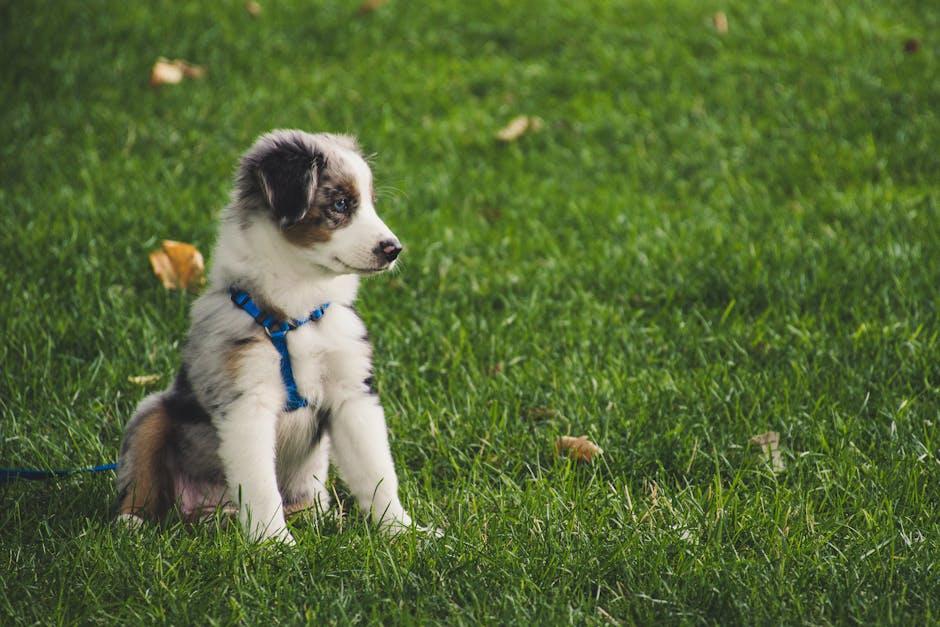
Choosing the Right Leash and Harness for Maximum Control
Selecting the ideal leash and harness can make a world of difference in maintaining control and ensuring your furry friend’s safety amidst bustling traffic. When considering leashes, opt for a non-retractable, sturdy leash that provides a solid grip. This type of leash offers greater control, allowing you to manage sudden movements or distractions effectively. For harnesses, a front-clip design is often recommended. This style discourages pulling and promotes better guidance, making it easier to steer your dog away from potential hazards.
When choosing these accessories, keep in mind the following features:
- Durability: Look for high-quality materials that can withstand wear and tear.
- Adjustability: Ensure the harness fits snugly but comfortably, allowing for adjustments as your dog grows or changes weight.
- Visibility: Consider options with reflective strips or bright colors to enhance visibility during low-light conditions.
- Comfort: Soft padding can prevent chafing and make long walks more enjoyable for your dog.
By choosing the right leash and harness, you not only enhance your dog’s safety but also make every outing a more enjoyable experience for both of you.
Training Techniques to Ensure Your Dog Follows Commands
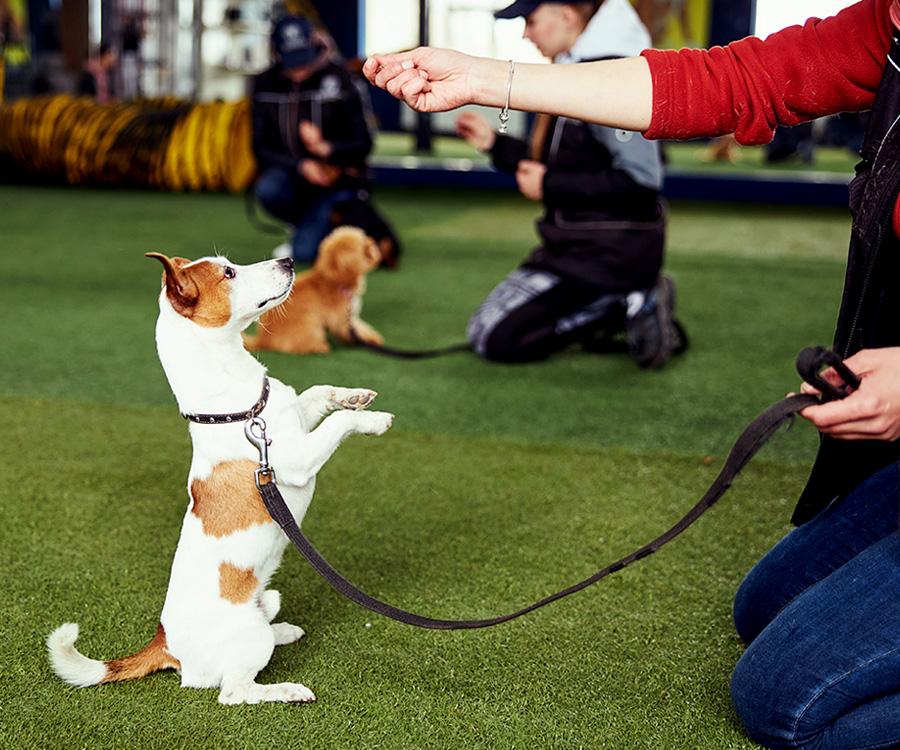
- Consistency is Key: Dogs thrive on routine and clear expectations. Use the same commands consistently and reward your dog promptly when they respond correctly. This helps them understand what is expected and reinforces good behavior.
- Positive Reinforcement: Reward your dog with treats, praise, or playtime whenever they follow a command. Positive reinforcement strengthens the association between the command and the desired behavior, making your dog more likely to respond in future situations.
- Practice in Different Environments: Start training in a quiet, controlled environment before gradually introducing distractions, such as other people or dogs. Practicing commands in various settings helps your dog generalize the behavior and ensures they will respond even in busy traffic.
- Short and Frequent Sessions: Keep training sessions brief to maintain your dog’s attention and prevent fatigue. Frequent, short sessions are more effective than long, infrequent ones, helping your dog retain what they’ve learned.
- Patience and Persistence: Every dog learns at their own pace, so be patient and persistent. If your dog struggles with a command, take a step back and reinforce the basics before progressing again.
By incorporating these techniques into your training routine, you can build a strong foundation of trust and communication with your dog, ensuring their safety and obedience even in the most challenging environments.

Identifying Safe Walking Routes Away from Heavy Traffic
When seeking out the ideal path for your daily dog walks, consider routes that prioritize safety and tranquility over convenience. Residential streets often provide a quieter alternative to bustling main roads, offering ample sidewalks and lower speed limits. Parks and dedicated walking trails can also serve as excellent options, providing both you and your furry friend with a more serene environment. Take note of any school zones or community centers, as these areas typically enforce stricter traffic regulations, enhancing safety.
Keep an eye out for streets equipped with pedestrian crossings and traffic lights, which can significantly reduce the risks associated with crossing busy intersections. Avoid routes that run parallel to major highways or those lacking proper sidewalk infrastructure. If possible, scout out your route during different times of the day to assess traffic patterns and identify the best times for a leisurely stroll. Remember, your dog’s safety is paramount, and choosing a route with minimal traffic exposure is key to ensuring a pleasant and stress-free outing.
Understanding Dog Behavior to Prevent Unexpected Reactions
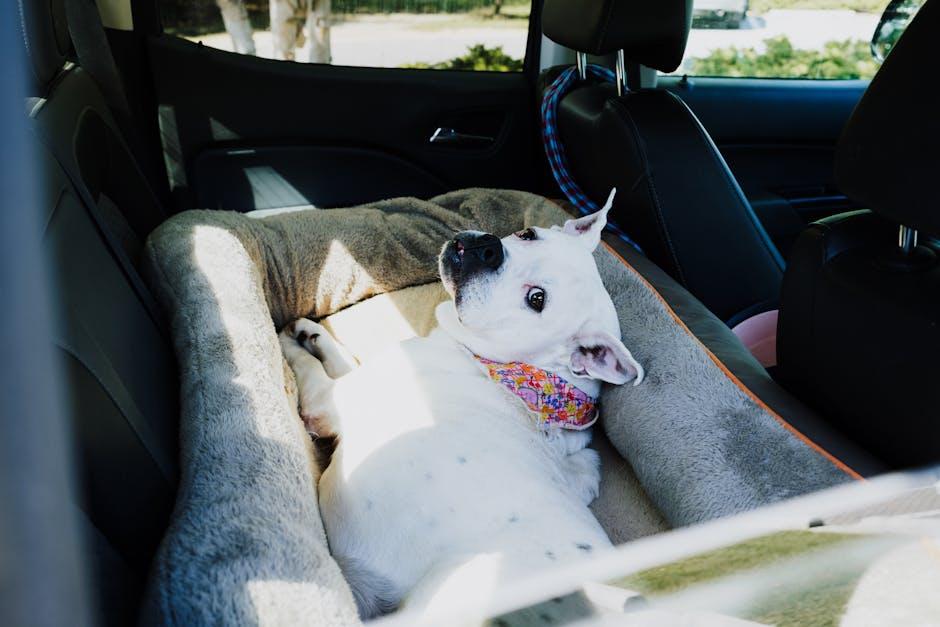
Understanding the subtle cues and signals that your furry friend exhibits can be crucial when navigating busy traffic environments. Dogs communicate through body language, and recognizing these signs can help you anticipate their reactions. Look for indicators such as tail position, ear movement, and eye contact. A dog with a tucked tail or flattened ears might be feeling anxious or stressed, while a relaxed wagging tail usually signals contentment. Observing these cues allows you to reassure your pet, helping them feel more secure amidst the hustle and bustle.
- Body Posture: A stiff or tense body may indicate that your dog is on high alert or uncomfortable.
- Vocalization: Whining or barking can signal distress or excitement. Listen to understand what your dog is trying to communicate.
- Yawning or Licking Lips: These are often signs of stress or confusion.
By staying attentive to these behaviors, you can take proactive steps to calm your dog, such as gently redirecting their focus or offering a treat for positive reinforcement. This not only helps prevent unexpected reactions but also strengthens the bond between you and your canine companion.