
Training an aggressive dog can be a challenging yet deeply rewarding journey for any pet owner. It requires patience, understanding, and the right tools to ensure safety for both the dog and the trainer. Whether you’re a seasoned dog handler or a new pet parent, navigating the complexities of canine aggression demands a thoughtful approach and reliable resources. In this article, we explore the best tools available for safely managing and training aggressive dogs, offering guidance to help transform challenging behaviors into positive, lasting change. With a focus on humane and effective methods, we’ll provide insights into how these tools can support a peaceful and harmonious relationship between you and your furry friend.
Understanding Aggression in Dogs: Causes and Triggers
Aggression in dogs can often be a complex behavior to understand, as it can stem from a variety of causes and triggers. It’s essential to identify the root of this behavior to address it effectively. Common causes include:
- Fear: A dog may exhibit aggression when they feel threatened or scared. This is often seen in dogs who have had negative experiences in the past.
- Territorial Instincts: Dogs naturally protect their space. Any perceived intrusion can lead to aggressive behavior as they try to defend their territory.
- Frustration: This can occur when a dog is restrained or unable to reach something they desire, leading to redirected aggression.
- Dominance: Some dogs may exhibit aggression to assert their status or control over a situation or other animals.
Understanding these triggers is the first step in creating a training plan that prioritizes safety and effectiveness. By recognizing the underlying issues, you can tailor your approach to meet the specific needs of your dog, ensuring a more harmonious and trusting relationship.
Choosing the Right Training Tools for Safety and Effectiveness
When dealing with aggressive dogs, selecting the appropriate training tools is crucial to ensure both safety and effectiveness. It’s essential to focus on options that promote positive reinforcement while minimizing stress for your canine companion. Here are some tools that can help you achieve balanced training:
- Clickers: These small devices are excellent for marking desired behaviors with a distinct sound, allowing you to reward your dog promptly. Clickers help create a clear communication channel between you and your dog.
- Head Halters: Designed to gently guide your dog’s head and control their direction, head halters can be effective for managing dogs that tend to pull or lunge. Ensure proper fitting to avoid discomfort.
- Harnesses: Opt for a no-pull harness that distributes pressure evenly across your dog’s body, reducing the risk of injury and helping to manage strong pulling tendencies.
- Long Leads: These allow your dog to explore their environment while you maintain control, ideal for practicing recall commands in a safe manner.
Remember, the goal is to foster trust and respect through consistent, gentle guidance. Patience and persistence are your best allies in transforming an aggressive demeanor into a well-mannered companion.
Harnesses and Head Collars: Balancing Control and Comfort
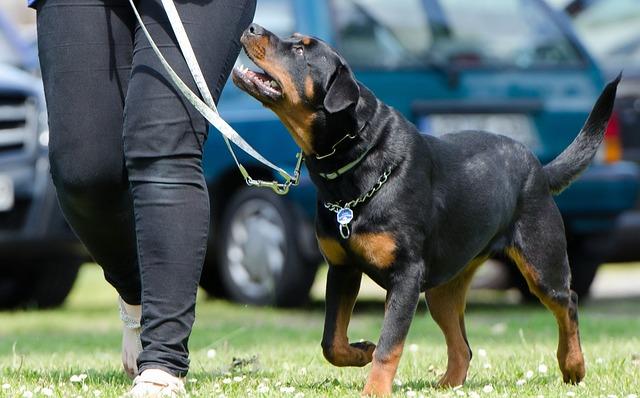
When training aggressive dogs, finding the right balance between control and comfort is crucial. Harnesses and head collars are two tools that can help achieve this balance, each offering unique advantages. Harnesses are ideal for distributing pressure evenly across a dog’s body, reducing strain on the neck and allowing for a more comfortable experience during training sessions. This is especially beneficial for dogs that tend to pull or lunge, as the harness provides a secure yet gentle means of restraint.
On the other hand, head collars offer a different form of control, focusing on guiding the dog’s head and, subsequently, its body. This tool is effective for redirecting a dog’s attention and discouraging aggressive behavior. When choosing between these tools, consider the specific needs of your dog. Here are some key points to keep in mind:
- Harnesses: Great for reducing neck strain, ideal for pullers, and suitable for longer training sessions.
- Head Collars: Provide directional control, useful for managing aggressive behavior, and effective for short, focused training exercises.
Whichever option you choose, ensure it fits well and is used in conjunction with positive reinforcement techniques to encourage desirable behavior and maintain a trusting relationship with your dog.
Reward-Based Techniques: Building Trust and Encouraging Positive Behavior
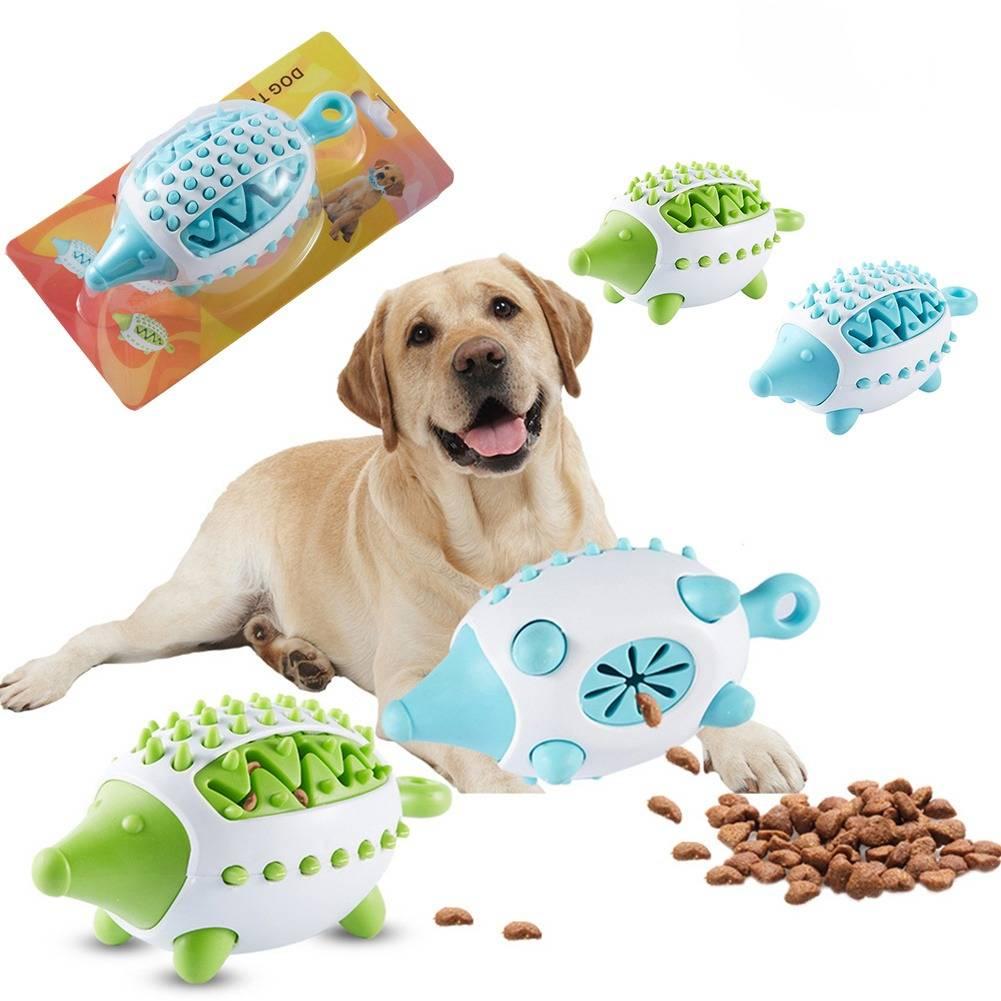
Reward-based techniques are essential for nurturing trust and promoting positive behavior in dogs, especially those with aggressive tendencies. By focusing on positive reinforcement, you can create a safe and encouraging environment for your dog. This involves rewarding desirable behaviors, which can be anything from a simple sit to ignoring a trigger that usually causes aggression. Consistency is key, so ensure that rewards are given immediately after the desired behavior to establish a clear connection.
Consider using a variety of rewards to keep your dog motivated and engaged. Some effective options include:
- Treats: Use high-value treats that your dog finds irresistible, but ensure they are healthy and suitable for frequent use.
- Praise: A warm, enthusiastic voice can reinforce good behavior and strengthen your bond.
- Play: Incorporating favorite toys or games as rewards can be highly effective, especially for dogs that love to play.
- Affection: A gentle pet or cuddle can be a powerful reward, showing your dog love and approval.
By tailoring rewards to your dog’s preferences, you can effectively encourage positive behaviors and reduce aggression over time, all while fostering a trusting and supportive relationship.