Breaking bad habits in older dogs can be a challenging yet rewarding journey for both you and your furry companion. As dogs age, their behaviors become more ingrained, making it essential to approach habit-breaking with patience, understanding, and a touch of creativity. Whether your senior dog has developed a penchant for excessive barking, persistent begging, or any other undesirable behavior, rest assured that change is possible. In this guide, we’ll explore effective strategies to gently guide your beloved pet towards better habits, fostering a more harmonious relationship. Let’s embark on this journey together, embracing the opportunity to enhance your dog’s quality of life and deepen the bond you share.
Understanding the Root Causes of Your Dogs Habits
Delving into the origins of your dog’s behaviors can illuminate why certain habits have formed and persisted over time. Often, these habits are deeply rooted in your dog’s past experiences, environment, or even instinctual drives. By understanding these underlying causes, you can tailor your approach to effectively modify or redirect them. Consider these potential influences:
- Past Experiences: Dogs are creatures of habit, and experiences from their past, whether positive or negative, can significantly impact their behavior. For instance, a dog that was not socialized adequately during its formative years may develop fear-based habits.
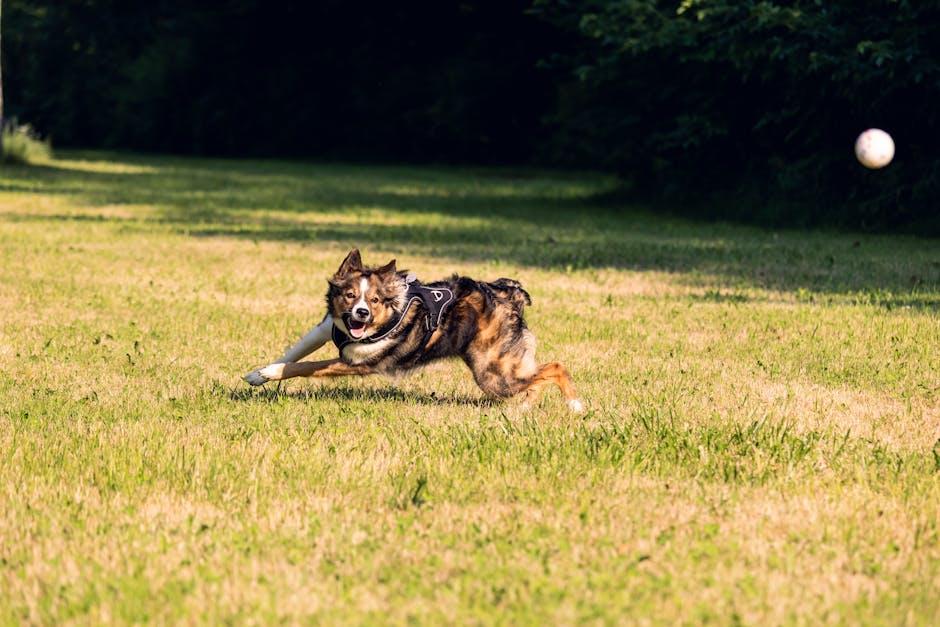
- Breed-Specific Traits: Some behaviors are linked to breed-specific instincts. A herding dog might chase moving objects due to its instinctual drive, which can manifest as a bad habit if not properly managed.
- Medical Issues: Sometimes, habits are symptoms of underlying medical conditions. A sudden increase in barking or irritability could indicate pain or discomfort, necessitating a vet visit.
- Environmental Factors: Changes in the household, such as a new pet or a move, can cause stress-induced habits. Identifying these stressors can help in mitigating their impact.
By identifying these root causes, you can adopt a more empathetic and strategic approach to breaking bad habits in older dogs, ensuring that your furry friend feels supported and understood throughout the process.
Creating a Consistent and Positive Training Environment
Establishing a stable and nurturing atmosphere is crucial for guiding older dogs away from ingrained habits. Dogs, like humans, thrive in environments where they feel secure and understood. Consistency is key—ensure that commands and rules remain the same across all family members. This reduces confusion and reinforces learning. Regularly scheduled training sessions help in setting expectations, making your dog feel more at ease. Remember, patience is your ally; change won’t happen overnight.
Additionally, incorporate elements that foster positivity. Positive reinforcement is a powerful tool; reward desired behaviors with treats, affection, or playtime. This not only strengthens the bond between you and your dog but also encourages them to repeat good behavior. Consider the following tips to create an encouraging training environment:
- Use a calm and reassuring voice.
- Ensure training sessions are short and enjoyable.
- Provide ample praise for even the smallest improvements.
- Maintain a distraction-free zone to help your dog focus.
By building a foundation of trust and consistency, you’ll be well on your way to transforming your older dog’s habits positively.

Engaging Your Dog with Enriching Activities
To transform those pesky habits in your older dog, it’s crucial to keep their minds and bodies engaged. Providing enriching activities can work wonders in steering them away from negative behaviors. Start by incorporating a variety of stimulating exercises that cater to their natural instincts and curiosity. Interactive toys such as puzzle feeders or treat-dispensing balls can be fantastic tools for mental stimulation. Not only do they challenge your dog, but they also reward them, which can be incredibly motivating.
- Scent games: Hide treats around the house or garden and encourage your dog to sniff them out. This taps into their innate tracking abilities and provides a rewarding experience.
- Agility training: Set up a simple obstacle course in your backyard. Jumping over small hurdles or weaving through cones can enhance their physical fitness and focus.
- Social interactions: Regular playdates with other dogs can improve their social skills and reduce anxiety-driven habits.
By integrating these activities into their routine, you can redirect their energy in positive ways and gradually eliminate undesirable behaviors. Remember, patience and consistency are key. Celebrate small victories and watch as your older dog thrives with newfound enthusiasm.
Utilizing Gentle Techniques for Lasting Change
When it comes to reshaping the behavior of our beloved senior canines, gentle methods often yield the most effective results. Dogs, like humans, thrive on kindness and consistency, especially as they age. Rather than relying on harsh commands or punishment, positive reinforcement can serve as a powerful tool. Offering treats, verbal praise, or even a favorite toy when your dog displays desired behavior can gradually replace unwanted habits. Remember, patience is key; older dogs may take a bit longer to adjust, but their ability to learn new tricks is often underestimated.
Creating a calm environment is equally crucial. Stress and anxiety can exacerbate bad habits, so maintaining a serene space can aid in behavioral adjustment. Consider the following gentle strategies to encourage lasting change:
- Consistency: Stick to a routine, as predictability helps older dogs feel secure.
- Positive Reinforcement: Reward good behavior immediately to reinforce the connection.
- Redirect Attention: Gently redirect your dog’s focus from undesirable actions to more appropriate ones.
- Provide Enrichment: Engage their mind with puzzles and interactive toys to reduce boredom-induced habits.
By fostering an environment of love and patience, you’ll not only help your dog break those pesky habits but also strengthen your bond, making every moment with your furry friend even more cherished.