
Welcoming a new puppy into your home is a joyful and exciting experience, filled with wagging tails and boundless energy. However, amidst the cuddles and playtime, there lies the essential task of potty training—an important step in ensuring a harmonious home life with your furry friend. While it might seem daunting at first, with the right approach and a bit of patience, you can guide your puppy towards success. In this article, we’ll explore practical and effective potty training tips that will help you and your puppy navigate this journey together. So, let’s dive in and set the foundation for a clean and happy home, filled with love and understanding.
Understanding Your Puppys Potty Signals
Recognizing when your puppy needs to go is crucial for successful potty training. Puppies often communicate their needs through specific behaviors. Watch for signs such as sniffing around, circling, or whining. These are your puppy’s way of indicating they might need a potty break. Another common signal is your puppy suddenly stopping play or wandering away from their usual area. Understanding these cues can help prevent accidents and reinforce good habits.
- Sniffing and Circling: This is a classic sign that your puppy is searching for a spot to relieve themselves.
- Whining or Barking: Vocalizing can be your puppy’s way of telling you they need to go outside.
- Restlessness: If your puppy is pacing or seems unable to settle, it might be time for a potty break.
- Sudden Stops: If your puppy suddenly stops an activity, they might be contemplating finding a bathroom spot.
By paying close attention to these signals and responding promptly, you can help your puppy learn where and when it is appropriate to go. Remember, consistency is key in reinforcing these behaviors and ensuring your puppy feels comfortable and understood.
Creating a Consistent Potty Schedule
Establishing a routine is key to successful potty training. Puppies thrive on consistency, and setting a regular schedule helps them understand when it’s time to go. Start by taking your puppy out first thing in the morning, after meals, and right before bedtime. Additionally, plan to take them out every couple of hours throughout the day. This regularity not only helps prevent accidents but also reinforces positive habits.
- After Meals: Puppies typically need to relieve themselves within 15-30 minutes after eating.
- First Thing in the Morning: Overnight, your puppy’s bladder fills, making a morning trip outside essential.
- Before Bedtime: A final bathroom break ensures a comfortable night for both you and your puppy.
- Every Few Hours: Frequent breaks prevent accidents and teach your puppy where they should go.
Remember, patience is crucial. Puppies are learning, and they might not get it right every time. Celebrate their successes with praise and treats to encourage them. A consistent schedule paired with positive reinforcement will set the foundation for a well-trained pup.
Choosing the Right Potty Spot
Choosing an ideal spot for your puppy to do their business is a key component of successful potty training. Begin by selecting a location that is easily accessible and consistent. Proximity to the door is crucial, especially for those emergency moments when your puppy needs to go quickly. Make sure this spot is in a quiet area, free from distractions like loud noises or busy foot traffic, which can easily divert your puppy’s attention.
- Consistency is Key: Always lead your puppy to the same spot. This helps them associate the area with potty time.
- Consider the Surface: Grass or dirt is preferable as these surfaces are familiar and comfortable for most puppies.
- Think About the Weather: Choose a spot that is somewhat sheltered, so your puppy won’t be deterred by rain or extreme sun.
- Keep it Clean: Regularly clean up the area to maintain hygiene and encourage your puppy to continue using it.
Remember, patience and positive reinforcement are your best tools. With a little time and effort, your puppy will soon learn that their designated potty spot is the place to go.
Positive Reinforcement Techniques for Successful Training
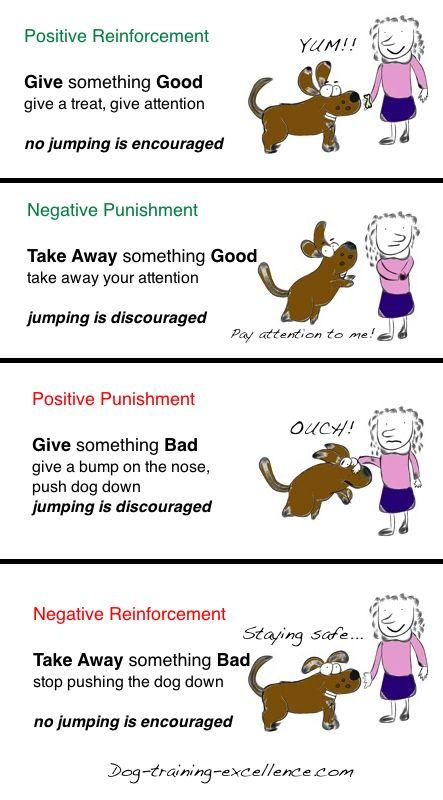
Incorporating positive reinforcement into your puppy’s potty training routine can make the process smoother and more enjoyable for both you and your furry friend. The key is to reward good behavior consistently and promptly. Here are some effective techniques to consider:
- Use Treats Wisely: Offer your puppy a small, tasty treat immediately after they successfully go potty in the designated area. This immediate reward helps them make the connection between the action and the positive outcome.
- Verbal Praise: Pair treats with enthusiastic verbal praise. A cheerful “Good job!” or “Well done!” reinforces their achievement and strengthens the bond between you.
- Consistent Cue Words: Use a specific word or phrase, like “Go potty,” each time you take your puppy to their potty spot. This consistency helps them understand what is expected.
- Positive Body Language: Your tone of voice and body language should always be positive and encouraging, reinforcing your puppy’s confidence in their actions.
Remember, patience and consistency are crucial. Puppies thrive on routine, and your supportive approach will set the foundation for successful training and a happy relationship.