
In the delightful world of pet training, toys are not just sources of entertainment—they are invaluable tools that can transform the learning experience for both you and your furry companion. Whether you’re teaching a puppy to sit, encouraging a cat to explore, or helping a parrot to mimic sounds, toys can bridge the gap between learning and play, making training sessions enjoyable and effective. This article will guide you through the art of using toys to enhance your pet’s training, offering practical tips and insights that cater to various animals and their unique learning styles. With a warm and patient approach, you’ll discover how to turn playtime into a productive learning adventure, deepening the bond with your pet while fostering their growth and development.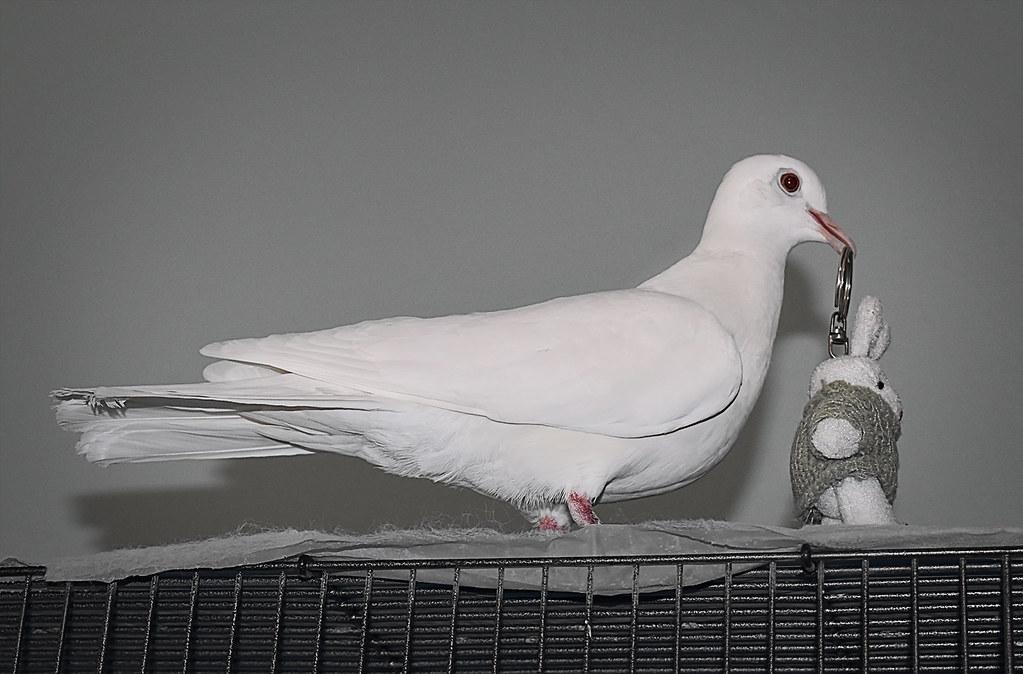
Choosing the Right Toy for Your Pets Personality
Understanding your pet’s personality is crucial when selecting toys that can aid in their training. A high-energy dog might benefit from toys that challenge their agility and stamina, like frisbees or balls, while a more laid-back canine could enjoy puzzle toys that stimulate their mind. For cats, consider their hunting instincts. A playful feline may thrive with feathered wands or laser pointers, whereas a more reserved cat might prefer toys that encourage gentle batting or chasing. Tailoring the toy to your pet’s unique traits not only keeps them engaged but also enhances the effectiveness of training sessions.
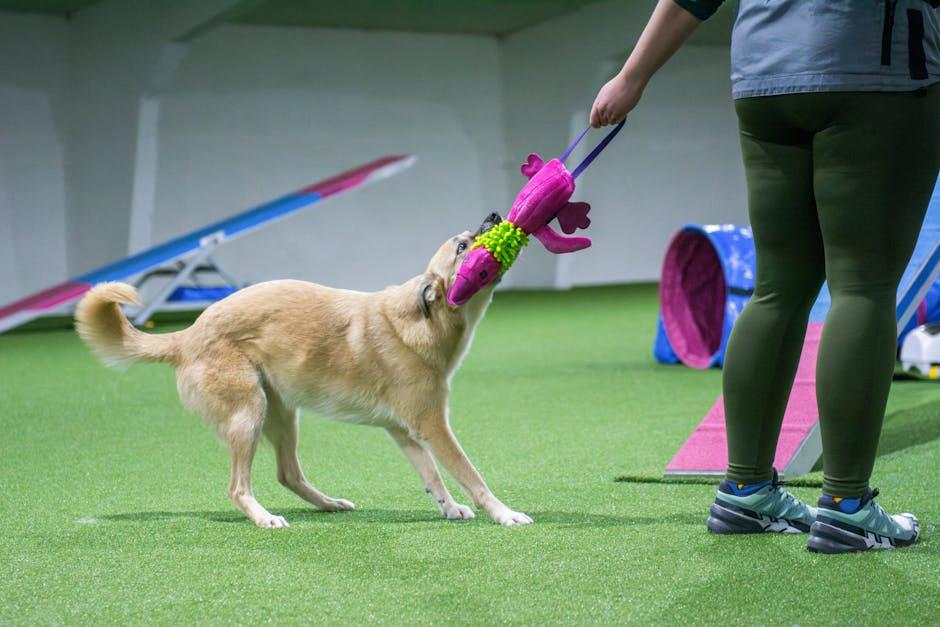
- Active Pets: Opt for toys that require physical exertion, like tug ropes or interactive fetch toys.
- Curious Minds: Choose puzzle toys that challenge their problem-solving skills.
- Social Animals: Consider toys that promote interaction, such as soft plush toys that can be used for bonding.
- Anxious Pets: Calming toys, like those that dispense treats, can provide comfort and focus.
By selecting toys that align with your pet’s personality, you’re not only offering them entertainment but also creating a positive training environment that caters to their individual needs.
Incorporating Toys into Daily Training Routines
Incorporating toys into your pet’s training regimen can transform mundane exercises into engaging and rewarding activities. Toys are not just playthings; they can serve as powerful tools to enhance focus, motivation, and enjoyment during training sessions. When used thoughtfully, toys can encourage desired behaviors and make learning a fun experience for your furry friend.
Consider these tips to seamlessly integrate toys into your daily training:
- Choose the Right Toy: Select toys that match your pet’s interests and the training objective. For instance, use a squeaky toy for attention-grabbing exercises or a tug toy for teaching impulse control.
- Incorporate Play Breaks: Use toys as a reward during training. After a successful command, offer a quick play session to reinforce positive behavior.
- Mix Training with Play: Combine commands with play activities. For example, practice “fetch” with a focus on recall and release commands.
- Rotate Toys: Keep your pet engaged by rotating toys regularly. This prevents boredom and maintains excitement during training.
By creatively integrating toys into your routine, you not only make training more enjoyable but also strengthen the bond with your pet through shared fun and learning.

Creating a Fun and Engaging Learning Environment
Incorporating toys into training sessions can transform learning from a mundane task into an exciting adventure. Toys are not just for play; they are powerful tools that can spark creativity and improve engagement. Here’s how you can utilize them effectively:
- Interactive Learning: Use puzzles and building blocks to teach problem-solving skills. These toys encourage learners to think critically and develop their spatial awareness.
- Role-Playing: Dolls and action figures can be used for role-playing scenarios, helping learners to understand complex social interactions and build empathy.
- Sensory Stimulation: Incorporate sensory toys like squishy balls or textured items to aid in focus and calmness, particularly useful for learners who benefit from tactile engagement.
- Storytelling Aids: Use puppets or figurines to bring stories to life, making narrative sessions more vivid and memorable.
By thoughtfully integrating these tools into your sessions, you create a dynamic environment where learning feels less like a chore and more like a playful exploration.

Monitoring Progress and Adjusting Toy Use
Keeping a close eye on your training sessions is crucial for achieving the desired outcomes. Observe your pet’s reactions to different toys and adjust your approach accordingly. If a particular toy seems to evoke excitement or focus, incorporate it more frequently into your sessions. Conversely, if a toy appears to cause distraction or disinterest, it might be time to switch things up. Flexibility is key, and being responsive to your pet’s needs can significantly enhance their learning experience.
- Document progress: Keep a simple log of each session, noting which toys were used and how your pet responded. This can help in identifying patterns and making informed decisions about future training.
- Set realistic goals: Break down training objectives into smaller, manageable tasks. Celebrate small victories to keep motivation high for both you and your pet.
- Adjust based on feedback: Pay attention to your pet’s body language and behavior. If they seem frustrated or bored, it might be time to reassess your strategy and introduce new stimuli or methods.
By continuously monitoring and adjusting, you create a dynamic learning environment that caters to your pet’s unique preferences and needs, fostering a more effective and enjoyable training journey.