
Welcoming a dog into your life brings joy, companionship, and a bit of chaos. As pet owners, we strive to nurture well-behaved, happy companions, and one of the most effective and enjoyable ways to achieve this is through play. Using toys to train your dog not only makes the learning process fun but also strengthens the bond between you and your furry friend. In this guide, we will explore how to incorporate toys into your training routine, offering practical tips and techniques to ensure your dog learns commands, develops good habits, and stays mentally stimulated. Whether you’re teaching basic obedience or tackling more advanced tricks, let’s embark on this playful journey together, transforming training sessions into delightful moments of growth and connection.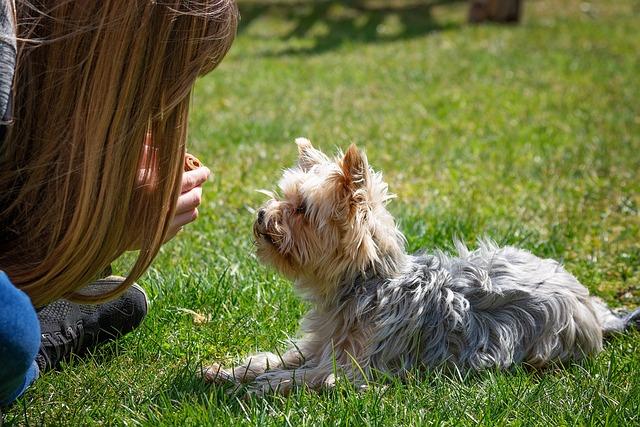
Choosing the Right Toys for Your Dogs Training Needs
When selecting toys for training, it’s crucial to consider your dog’s specific needs and preferences. Durability is key; opt for toys that can withstand vigorous play, especially for strong chewers. Materials like rubber or tough fabric are often ideal. Size matters too; ensure the toy is not too small to prevent choking hazards, yet not too large to overwhelm your furry friend.
- Interactive Toys: These are excellent for mental stimulation. Consider puzzle toys or treat-dispensing options that challenge your dog’s problem-solving skills.
- Fetch Toys: Great for physical exercise and teaching commands like “fetch” or “drop.” Balls or frisbees can be excellent choices.
- Chew Toys: Perfect for redirecting chewing behavior and keeping your dog’s teeth healthy. Look for toys that are flavored or have an enticing texture.
Remember, the best toys not only entertain but also reinforce positive behaviors, making training sessions more enjoyable and productive for both you and your dog.

Engaging Your Dog with Interactive Toys for Better Learning
When it comes to enhancing your dog’s learning experience, interactive toys can be a game-changer. These toys not only stimulate your pet’s mind but also make learning a fun and rewarding experience. To make the most out of these tools, consider the following strategies:
- Choose the Right Toy: Opt for toys that match your dog’s size and chewing habits. Puzzle toys, treat-dispensing balls, and squeaky toys can be great options.
- Incorporate Training Commands: Use the toys as a part of your training sessions. For instance, ask your dog to ‘sit’ or ‘stay’ before rewarding them with playtime.
- Rotate Toys Regularly: Keep the toys exciting by rotating them every few days. This prevents boredom and keeps your dog engaged.
- Supervise Playtime: Always keep an eye on your dog while they’re playing with interactive toys to ensure their safety and to prevent destructive behavior.
By integrating these techniques into your routine, you not only nurture your dog’s intelligence but also strengthen your bond with them. Remember, the key is consistency and positive reinforcement to encourage a love for learning.
Incorporating Toys into Reward-Based Training Sessions
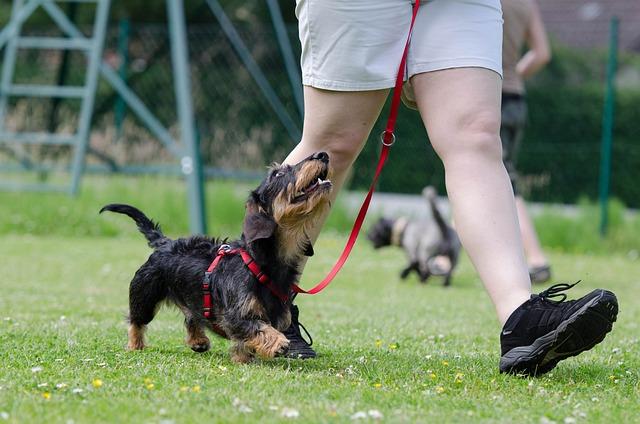
Enhancing your dog’s training with toys not only makes the sessions more engaging but also deepens the bond between you and your furry friend. When incorporating toys into your reward-based training, it’s essential to choose items that are both safe and stimulating. Interactive toys such as tug ropes or squeaky balls can be excellent motivators. These toys can be used as a reward for successfully completing a command, offering both a mental and physical outlet for your dog.
- Choose the right toy: Opt for toys that match your dog’s size and play style. Avoid small toys for large breeds to prevent choking hazards.
- Introduce the toy as a reward: After your dog completes a command, immediately reward them with a play session using their favorite toy. This reinforces the behavior positively.
- Keep the sessions short and fun: Limit playtime with the toy to keep your dog eager and focused on the training task.
Incorporating toys can transform routine training into an exciting game for your dog, making learning new commands a joyful experience. By consistently using toys as rewards, you can build a positive association with training, ensuring your dog remains enthusiastic and responsive.
Maintaining Consistency and Fun with Toy-Based Training
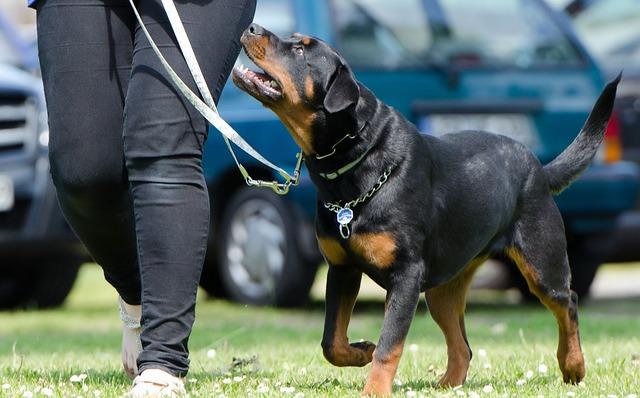
Achieving a balance between consistency and fun in your dog’s training regimen can be effortlessly done with the strategic use of toys. Incorporate a variety of toys to keep your dog engaged and eager to learn. Rotate toys regularly to maintain their novelty and prevent boredom. Establish a routine that integrates play with learning by using toys as rewards for completed tasks. This approach helps reinforce positive behavior and strengthens the bond between you and your furry friend.
Key tips for maintaining a consistent yet fun training schedule:
- Designate specific toys for training sessions: This creates a clear distinction between playtime and learning time, ensuring your dog remains focused during training.
- Mix in surprise elements: Occasionally introduce a new toy or game to keep sessions exciting and unpredictable.
- Keep sessions short and engaging: Limit training to 10-15 minutes to prevent fatigue and maintain your dog’s enthusiasm.