
Welcoming a furry friend into your life is a heartwarming journey filled with joy, companionship, and unconditional love. However, along with wagging tails and playful antics comes the responsibility of ensuring your pet’s well-being, and grooming plays a pivotal role in this. Whether you’re a first-time dog owner or simply looking to enhance your pet care routine, “” is here to guide you every step of the way. In this article, we’ll explore the essentials of dog grooming, from understanding your dog’s coat type to mastering basic techniques and choosing the right tools. With a gentle approach and practical tips, you’ll soon find grooming to be a rewarding bonding experience that keeps your canine companion healthy, happy, and looking their best. Let’s embark on this journey together, turning grooming from a chore into a cherished ritual.
Brushing Basics Understanding Your Dogs Coat Type
When it comes to grooming your dog, understanding the type of coat your furry friend has is essential for effective brushing. Each coat type demands different tools and techniques to keep it healthy and looking its best. Let’s explore some common coat types and their specific needs:
- Smooth Coats: These coats are short and lie close to the body, like those of a Beagle or Boxer. A soft-bristle brush or a grooming mitt works wonders to remove loose hair and keep the coat shiny.
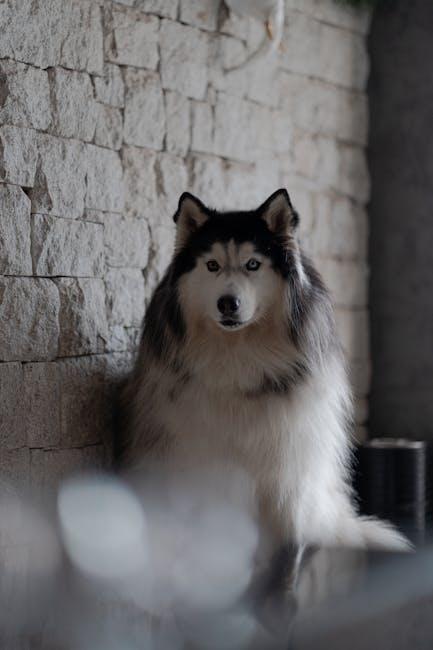
- Double Coats: Breeds like Huskies and Golden Retrievers have a dense undercoat and a longer topcoat. A slicker brush followed by an undercoat rake can help manage shedding and prevent mats.
- Curly Coats: Found in breeds such as Poodles and Bichon Frises, these coats require regular brushing with a slicker brush to prevent tangles and matting.
- Wire Coats: Terriers often have this type of coat, which benefits from a stripping comb or knife to remove dead hair and maintain texture.
- Long Coats: Breeds like Shih Tzus and Yorkshire Terriers need a pin brush to gently detangle and a comb to smooth out the longer strands.
By using the right tools and techniques for your dog’s coat type, you’ll not only enhance their appearance but also contribute to their overall health and well-being. Remember, regular grooming is a bonding experience that your dog will appreciate!
Bath Time Tips Choosing the Right Shampoo and Techniques
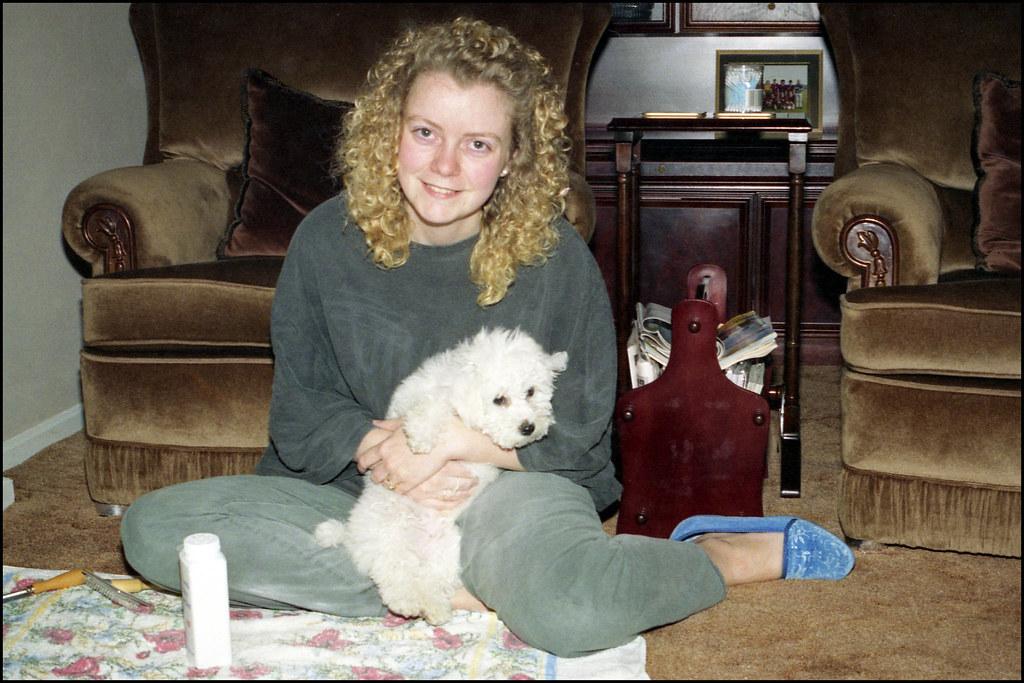
Choosing the perfect shampoo for your furry friend is a bit like picking out the right hair product for yourself. Your dog’s coat and skin type will determine the best option. Hypoallergenic shampoos are ideal for dogs with sensitive skin, while oatmeal-based products can soothe itchiness. For pups with a more luxurious coat, consider a conditioner-enhanced shampoo to keep their fur silky and tangle-free. Always avoid products with harsh chemicals or artificial fragrances to prevent skin irritation.
- Brush before the bath: A quick brush will help remove loose fur and detangle knots, making the bathing process smoother.
- Use lukewarm water: Ensure the water temperature is comfortable to avoid startling your pet.
- Massage gently: Apply shampoo with a gentle massage to stimulate circulation and make the experience more enjoyable for your dog.
- Rinse thoroughly: Ensure all shampoo is rinsed out to prevent any residue that might irritate the skin.
- Dry properly: Use a towel or a low-heat hairdryer to avoid chills, especially in colder climates.
Nail Care Essentials How to Trim Without Stress
Trimming your dog’s nails can feel daunting, but with the right approach, it becomes a stress-free routine. Start by gathering your nail care essentials: a pair of high-quality dog nail clippers, styptic powder for any accidental nicks, and a comfortable spot where both you and your furry friend can relax. It’s crucial to create a calm environment; soft background music or gentle words can help soothe nervous pups.
- Choose the right time: Pick a moment when your dog is naturally relaxed, perhaps after a long walk or play session.
- Inspect and familiarize: Before clipping, examine your dog’s nails to understand their length and condition. Familiarize your dog with the clippers by letting them sniff and explore the tool.
- Gentle restraint: Gently hold your dog’s paw, offering treats and praise to maintain a positive experience.
- Clip with care: Trim a small amount at a time, especially if your dog has dark nails where the quick is not visible. The goal is to avoid cutting too close to the quick.
By incorporating these steps into your routine, you not only keep your dog’s nails in check but also strengthen the bond of trust and care with your pet.
Ear and Teeth Maintenance Keeping Your Pup Healthy and Happy
Keeping your furry friend’s ears and teeth in top condition is essential for their overall health and happiness. Ear maintenance involves regularly checking for dirt, wax buildup, and any signs of infection. Gently clean the outer ear using a soft cloth or a cotton ball dampened with a vet-recommended ear cleaner. Be cautious not to insert anything into the ear canal. Look out for any unusual odors or redness, as these could be signs of an underlying issue that needs veterinary attention.
Dental care is just as crucial, as poor oral hygiene can lead to serious health problems. Establish a routine of brushing your dog’s teeth at least a few times a week using a dog-specific toothbrush and toothpaste. Introduce the process gradually to help them get comfortable. Consider these additional tips for maintaining your pup’s dental health:
- Provide dental chews or toys that help reduce plaque buildup.
- Schedule regular professional cleanings with your vet.
- Offer a balanced diet that promotes dental health.
Consistent ear and teeth care will not only prevent potential health issues but also enhance your dog’s quality of life, ensuring more wagging tails and happy moments together.