
Welcoming a furry friend into your home brings joy, companionship, and, for many dog owners, an abundance of shedding. While a certain amount of fur on your furniture and clothes is to be expected, excessive shedding can sometimes become overwhelming, leaving pet parents searching for solutions. Understanding and managing this common issue is crucial for maintaining a harmonious household and ensuring your dog’s well-being. In this guide, we’ll explore the reasons behind excessive shedding and provide practical, compassionate strategies to keep it under control. Whether you’re a new dog owner or a seasoned pet parent, these insights will help you create a cleaner, happier environment for both you and your beloved canine companion.
Understanding the Causes of Excessive Shedding in Dogs
Excessive shedding in dogs can be perplexing and sometimes alarming for pet owners, but understanding its causes can help in managing it effectively. There are several factors that can contribute to this issue:
- Breed Characteristics: Some breeds are naturally prone to shedding more than others. Breeds like German Shepherds, Golden Retrievers, and Huskies have dense undercoats that shed seasonally.
- Dietary Deficiencies: A lack of essential nutrients can lead to poor coat health. Ensure your dog is receiving a balanced diet rich in omega-3 fatty acids, vitamins, and minerals.
- Environmental Changes: Changes in the environment, such as moving to a new home or changes in weather, can trigger increased shedding as dogs adapt to new surroundings.
- Health Issues: Conditions like allergies, hormonal imbalances, or parasites can also cause excessive shedding. It’s important to consult with a veterinarian if you suspect an underlying health issue.
By identifying the root cause, you can tailor your approach to managing shedding, ensuring your furry friend remains healthy and comfortable.

Creating a Balanced Diet to Minimize Shedding
When it comes to managing your dog’s shedding, diet plays a pivotal role. A well-balanced diet rich in nutrients not only promotes overall health but also helps in minimizing excessive fur loss. Omega-3 and Omega-6 fatty acids are essential for maintaining a healthy coat. These nutrients can be found in foods like fish oil, flaxseed, and certain types of poultry. Additionally, ensure your dog is getting enough vitamin E and zinc, which are known to support skin health and fur growth. Including these nutrients in your dog’s meals can make a noticeable difference in their shedding patterns.
- High-quality protein: Opt for premium dog foods with real meat as the first ingredient. Protein is crucial for hair growth and repair.
- Whole grains and vegetables: These provide essential vitamins and minerals that contribute to a shiny, healthy coat.
- Hydration: Make sure your dog has constant access to fresh water. Proper hydration helps maintain skin elasticity and reduces shedding.
Implementing these dietary changes can take some time to show results, but your patience will be rewarded with a happier, healthier, and less shedding-prone furry friend.
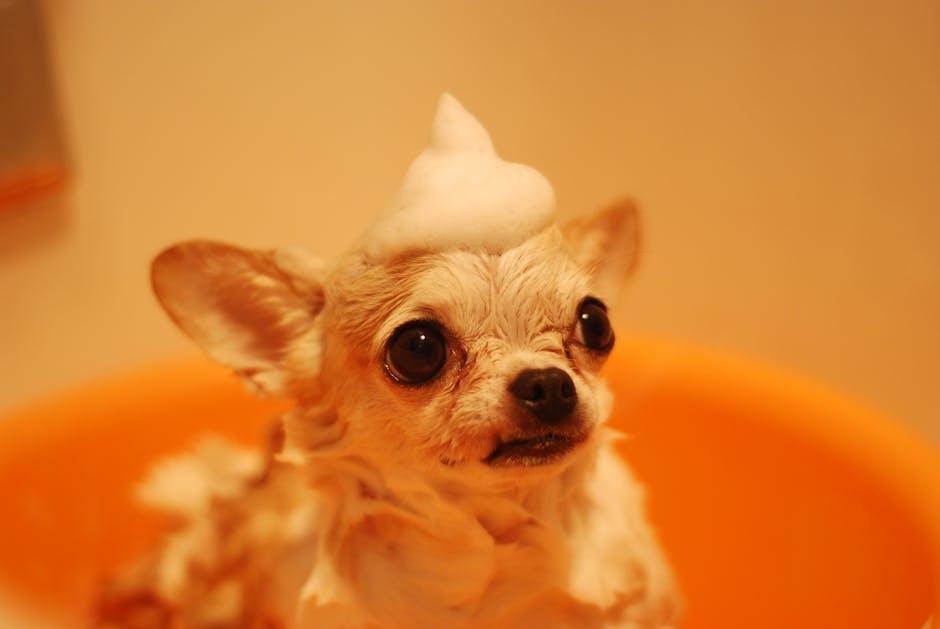
Effective Grooming Techniques for Shedding Control
Regular grooming is essential for managing your dog’s shedding and keeping your home fur-free. Start by investing in a high-quality brush suited to your dog’s coat type. For short-haired breeds, a bristle brush or a rubber curry comb works wonders, while long-haired breeds benefit from a slicker brush or a de-shedding tool. Establish a routine that includes daily or weekly brushing sessions to remove loose hair and prevent matting. This not only helps in reducing shedding but also strengthens the bond with your furry friend.
- Bathing: Regular baths with a gentle, dog-specific shampoo can loosen dead hair and make grooming easier. Follow up with a conditioner to keep the coat healthy and shiny.
- Diet: A balanced diet rich in omega-3 fatty acids promotes a healthy coat and can reduce excessive shedding. Consult your vet for dietary recommendations tailored to your dog’s needs.
- Hydration: Ensure your dog has access to plenty of fresh water. Hydration is crucial for skin health, which directly affects shedding.
Remember, grooming is not just about aesthetics; it’s a key component of your dog’s overall well-being. With patience and the right tools, you’ll effectively manage shedding while keeping your pet comfortable and happy.
Exploring Natural Remedies and Supplements for Healthier Coats
When tackling the challenge of excessive shedding in dogs, exploring natural remedies and supplements can be a game-changer. These alternatives not only promote a healthier coat but also contribute to your dog’s overall well-being. Start by incorporating Omega-3 fatty acids into their diet, which are known to reduce inflammation and enhance coat health. You can find these in fish oil supplements or flaxseed oil. Additionally, biotin is a powerful supplement that supports skin and coat vitality, and it can be easily added to your dog’s daily routine.
Consider these natural ingredients to boost coat health:
- Coconut oil: A natural moisturizer that can be applied topically or added to their diet.
- Chamomile and oatmeal baths: Soothe irritated skin and reduce shedding.
- Brewer’s yeast: Rich in B vitamins, it promotes a shiny coat.
Remember, while natural remedies can be beneficial, it’s important to consult with your veterinarian before introducing any new supplements to ensure they are safe and appropriate for your furry friend.