
Grooming your dog at home can be a rewarding and bonding experience, offering both you and your furry friend a chance to enjoy some quality time together. While professional grooming services are readily available, learning to groom your dog yourself not only saves money but also ensures that your pet feels comfortable and secure in familiar surroundings. In this guide, we’ll walk you through the essential steps of at-home dog grooming, providing you with the tips and techniques you need to keep your pet looking and feeling their best. Whether you’re a seasoned pet owner or new to the world of canine care, our warm and instructive approach will help you confidently tackle everything from bathing and brushing to nail trimming and ear cleaning. Let’s embark on this grooming journey together, ensuring your dog remains healthy, happy, and looking their finest.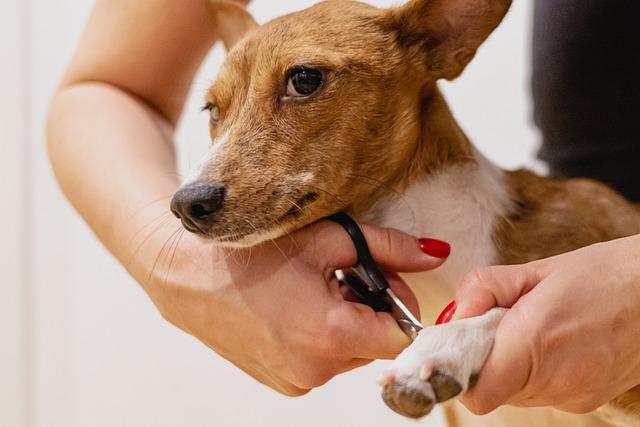
Choosing the Right Tools for a Stress-Free Grooming Experience
Ensuring a stress-free grooming experience for both you and your furry friend begins with selecting the right tools. Investing in quality equipment can make a world of difference in efficiency and comfort. Here are some must-have items to consider:
- Brushes and Combs: Choose the right brush based on your dog’s coat type. Slicker brushes are great for removing tangles, while bristle brushes work well for short-haired breeds. A comb can help tackle stubborn mats and smooth the fur.
- Clippers and Scissors: High-quality electric clippers with adjustable blades ensure a smooth cut, while scissors with rounded tips are ideal for sensitive areas like the face and paws.
- Nail Trimmers: Opt for either guillotine-style or scissor-style trimmers to keep your dog’s nails in check. Look for a model with a safety guard to prevent cutting too short.
- Shampoo and Conditioner: Use a gentle, dog-specific shampoo to avoid skin irritation, and follow up with a conditioner to keep their coat soft and manageable.
- Ear and Dental Care Tools: Regular ear cleaning with a vet-approved ear cleaner and maintaining oral hygiene with a dog toothbrush and toothpaste are essential for your dog’s overall health.
When selecting grooming tools, comfort and ease of use are paramount. Opt for ergonomic designs and lightweight materials to reduce strain on your hands during grooming sessions. With the right tools, grooming your dog at home can become a bonding experience rather than a chore.

Step-by-Step Guide to Bathing Your Furry Friend
Bathing your dog at home can be a delightful bonding experience, as well as a great way to keep them clean and healthy. Here’s a step-by-step approach to ensure a smooth and enjoyable bath time:
- Gather Supplies: Before you begin, make sure you have everything you need within arm’s reach. This includes dog shampoo, towels, a brush, and a non-slip mat for the tub.
- Brush Before Bathing: Gently brush your dog’s coat to remove any loose hair and detangle knots. This will make washing easier and more effective.
- Temperature Check: Fill the tub with lukewarm water. Dogs are sensitive to temperature, so ensure it’s neither too hot nor too cold.
- Wet and Lather: Carefully wet your dog’s coat using a handheld showerhead or a plastic cup. Apply shampoo starting from the neck and work your way down, avoiding the eyes and ears.
- Rinse Thoroughly: Make sure to rinse all the shampoo out of their fur, as residue can cause skin irritation. Repeat the rinsing process until the water runs clear.
- Dry Off: Gently towel dry your dog, or use a pet-safe blow dryer on a low setting if they tolerate it. Make sure your furry friend is completely dry to prevent any chills.
With these steps, bath time can become a positive and refreshing experience for both you and your dog. Remember to keep a stash of their favorite treats nearby to reward them for their patience!

Mastering the Art of Brushing for a Healthy Coat
Ensuring your furry friend sports a shiny and healthy coat involves more than just a quick brush. It’s about understanding their specific needs and investing a little time to master the technique. Here’s how you can transform a mundane task into a delightful bonding experience.
- Choose the Right Brush: Not all brushes are created equal. Select a brush that suits your dog’s coat type. For instance, a slicker brush is perfect for long-haired breeds, while a bristle brush works wonders on short-haired pups.
- Regular Routine: Establish a consistent grooming schedule. Regular brushing helps distribute natural oils, keeping the coat glossy and healthy. Aim for a few times a week, or daily for dogs with longer hair.
- Gentle Technique: Use gentle, sweeping strokes and always brush in the direction of hair growth. Pay attention to areas that tend to tangle easily, like behind the ears and under the legs.
- Reward and Praise: Make grooming a positive experience by offering treats and praise. This not only reinforces good behavior but also strengthens your bond.
Remember, grooming is not just about aesthetics; it’s an essential part of your dog’s health and well-being. With patience and practice, you’ll become a pro at keeping your pup looking their best.
Nail Trimming Tips to Keep Your Pup Happy and Safe
Trimming your dog’s nails doesn’t have to be a daunting task. With the right approach, it can be a bonding experience for both of you. Here are some essential tips to ensure a smooth process:
- Choose the Right Tools: Invest in a good pair of nail clippers or a nail grinder specifically designed for dogs. Ensure they are sharp and in good condition to make clean cuts.
- Create a Calm Environment: Find a quiet space where your pup feels relaxed. Consider playing soft music or using calming scents like lavender to ease their nerves.
- Start Slowly: If your dog is new to nail trimming, introduce the tools gradually. Let them sniff and get comfortable with the clippers or grinder before you start.
- Reward and Praise: Keep treats handy to reward your dog after each nail. Positive reinforcement goes a long way in making the experience enjoyable.
- Know the Quick: Be aware of the quick, the sensitive area within the nail. Trim little by little to avoid cutting into it, which can be painful for your dog.
Remember, patience and consistency are key. Over time, your dog will become accustomed to the routine, making nail trimming a stress-free part of their grooming regimen.