
Dog grooming is an essential part of maintaining your furry friend’s health and happiness, but for some pet owners, it can come with unexpected challenges. If you’ve ever experienced sneezing, itching, or other allergic reactions while tending to your pup’s grooming needs, you’re not alone. Understanding dog grooming allergies is crucial for ensuring both you and your pet can enjoy the grooming process comfortably. In this article, we’ll explore the common causes of these allergies, how to identify symptoms, and practical tips for managing them effectively. Whether you’re a seasoned pet owner or new to the joys of dog companionship, this guide will equip you with the knowledge you need to keep grooming a pleasant experience for everyone involved.
Understanding Common Allergens in Dog Grooming Products
When selecting grooming products for your furry friend, it’s essential to be aware of the ingredients that could potentially trigger allergic reactions. Fragrances are often culprits, as they can contain a mix of chemicals that may irritate sensitive skin. Opt for fragrance-free or hypoallergenic options to minimize the risk. Preservatives like parabens and formaldehyde-releasing agents are commonly used to prolong shelf life but can also cause skin issues in dogs.
- Artificial Colors: These are added to make products visually appealing but can lead to itching and redness.
- Sulfates: Found in shampoos, they create lather but can strip natural oils, leading to dryness and irritation.
- Essential Oils: While natural, some dogs are sensitive to certain oils like tea tree or lavender, which can cause adverse reactions.
Always perform a patch test when trying out a new product, and consult your veterinarian if you notice any signs of discomfort or allergic reactions. Your dog’s comfort and health should always come first.

Recognizing Symptoms of Grooming-Related Allergies in Dogs
When it comes to our furry friends, spotting allergies early can make a world of difference. Allergic reactions to grooming products or practices can manifest in various ways, often causing discomfort to your pet. Keep an eye out for these common symptoms:
- Itching and Scratching: One of the most obvious signs. If your dog starts scratching more than usual, especially after a grooming session, it might be a reaction to a product used.
- Redness or Rash: Look for any unusual redness or rash on your dog’s skin, particularly in areas that were groomed.
- Excessive Licking: Dogs often lick irritated areas. If your pup can’t seem to stop, it could be an allergic response.
- Swelling: This can occur in more severe cases, particularly around the face, ears, or paws.
- Hair Loss: Noticeable patches of hair loss might indicate an allergy to a grooming product or method.
By paying close attention to these signs, you can take proactive steps to ensure your dog’s grooming routine is both safe and comfortable. If you notice any of these symptoms, consider consulting with a veterinarian to determine the best course of action.
Choosing Hypoallergenic Products for a Safer Grooming Experience
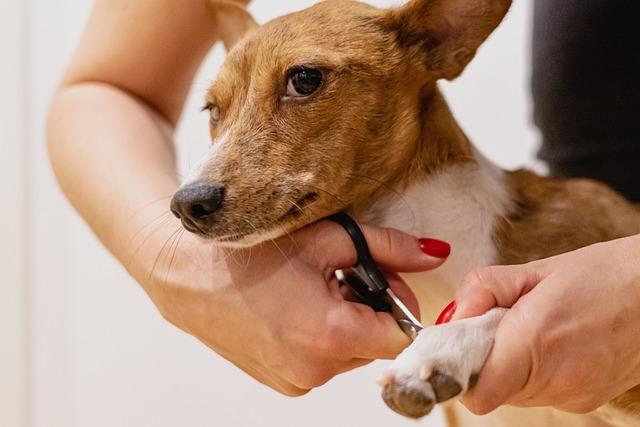
For dog owners, ensuring a safe grooming routine is crucial, especially when dealing with allergies. Opting for hypoallergenic products can significantly reduce allergic reactions, both for your pet and yourself. These products are formulated to minimize irritants and are typically free from harsh chemicals and artificial fragrances. When selecting hypoallergenic grooming supplies, consider these important factors:
- Ingredients: Look for natural and organic ingredients that are gentle on the skin.
- Fragrance-Free: Choose products without synthetic fragrances to avoid unnecessary irritation.
- pH Balanced: Ensure the product is pH balanced for dogs to maintain skin health.
- Test First: Always do a patch test before full application to check for any adverse reactions.
Incorporating these tips into your grooming routine will not only protect your furry friend but also provide peace of mind for you, knowing you’re using products that prioritize health and safety.
Creating an Allergy-Friendly Grooming Routine for Your Dog
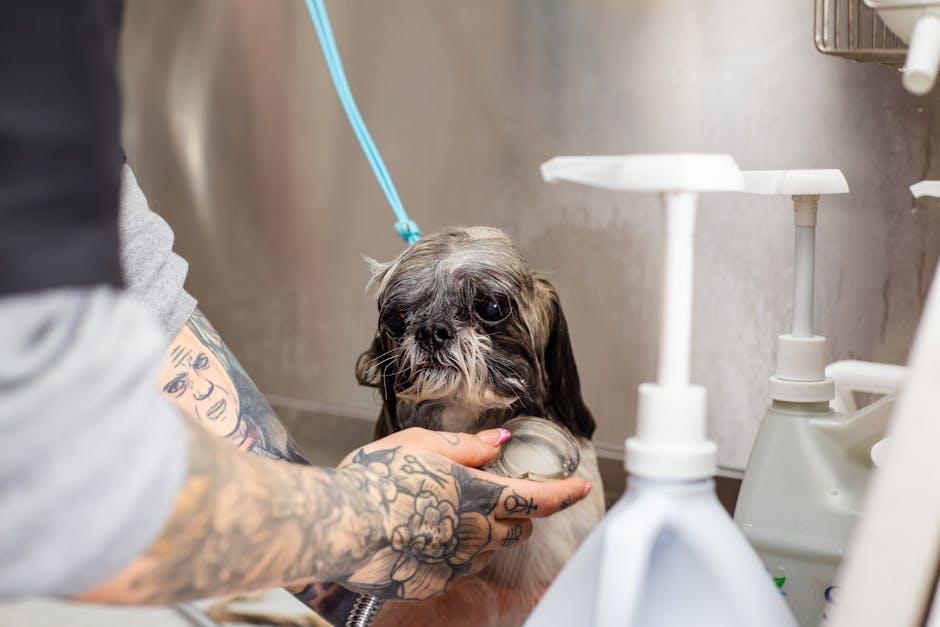
Crafting a grooming routine that accommodates your dog’s allergies is essential for their comfort and health. Begin by identifying any specific allergens that affect your furry friend, such as certain shampoos, grooming tools, or even environmental factors. Once you have a clear understanding, consider these allergy-friendly tips to ensure a soothing grooming experience:
- Choose hypoallergenic products: Opt for shampoos and conditioners specifically labeled as hypoallergenic. These products are formulated to be gentle on sensitive skin, reducing the risk of allergic reactions.
- Use fragrance-free options: Scented products can be a common irritant. Select grooming items that are free from artificial fragrances to minimize potential allergens.
- Regularly clean grooming tools: Ensure that brushes, combs, and other tools are cleaned frequently to prevent the buildup of allergens like dust or pollen.
- Consider natural alternatives: Natural oils like coconut oil can be used to moisturize your dog’s skin, offering a chemical-free solution that is less likely to trigger allergies.
By implementing these thoughtful adjustments, you can create a nurturing environment for your dog, ensuring each grooming session is a stress-free and enjoyable experience.