
In recent years, the pet food aisle has seen a surge in gluten-free options, mirroring a trend that has long taken hold in human dietary preferences. As conscientious pet owners, we are always on the lookout for the best nutritional choices for our furry companions. However, the question arises: is gluten-free dog food a necessary dietary adjustment or merely a passing fad? In this article, we will explore the reasons behind the popularity of gluten-free dog food, examine its benefits and potential drawbacks, and provide guidance on how to make informed decisions for your pet’s diet. Join us as we navigate through the world of canine nutrition, ensuring that our beloved pets are not only happy but also healthy.
Understanding Gluten in Dog Nutrition
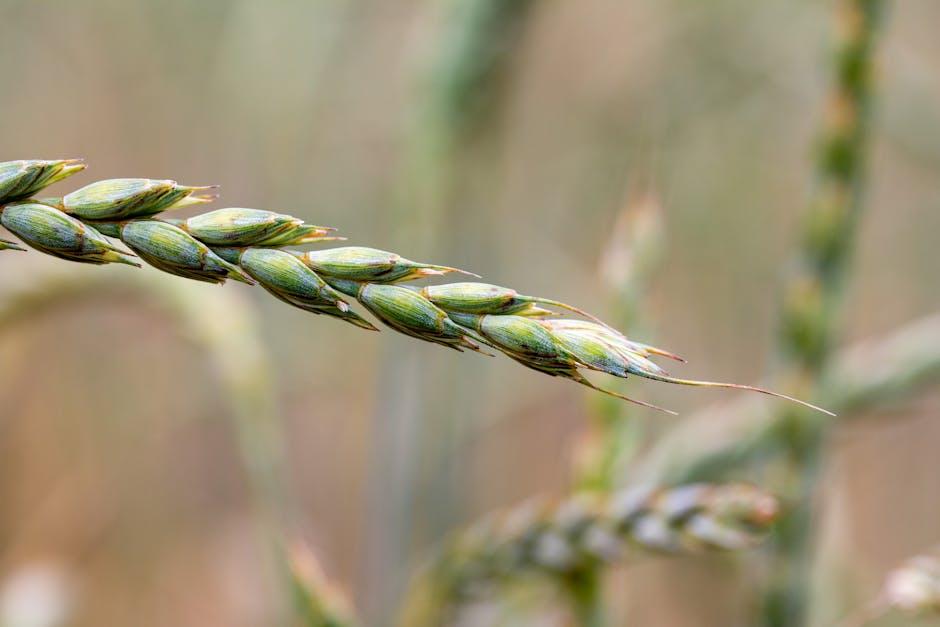
Gluten, a protein found in grains like wheat, barley, and rye, has become a topic of discussion in dog nutrition. For most dogs, gluten is perfectly digestible and provides a source of protein and fiber. However, just like humans, some dogs can be sensitive or allergic to gluten, leading to symptoms such as digestive upset or itchy skin. Understanding your dog’s dietary needs is crucial in deciding whether gluten-free food is necessary.
When evaluating whether to switch to gluten-free dog food, consider the following:
- Consult with your vet: Always seek professional advice before making significant changes to your dog’s diet.
- Identify symptoms: Watch for signs of gluten sensitivity, such as chronic diarrhea or skin issues.
- Quality of ingredients: Opt for foods with high-quality ingredients, whether they contain gluten or not.
Ultimately, the decision should be based on your dog’s specific health needs rather than trends. A balanced diet tailored to your furry friend’s individual requirements is the key to their health and happiness.

Exploring the Health Benefits of Gluten Free Dog Food
In recent years, many pet owners have turned to gluten-free diets for their furry companions, driven by a desire to provide the best possible nutrition. But what are the actual health benefits of this dietary choice? For dogs with specific allergies or intolerances, removing gluten can be transformative. Gluten-free dog food can help alleviate symptoms such as itchy skin, digestive issues, and chronic ear infections. Furthermore, dogs with celiac-like sensitivities may experience improved energy levels and a shinier coat when gluten is eliminated from their diet.
Beyond addressing specific health issues, some pet parents believe that gluten-free diets can contribute to overall wellness. Here are a few potential benefits to consider:
- Improved digestion: Gluten-free formulas often include higher quality grains or alternative carbohydrates, which can be easier for some dogs to digest.
- Enhanced nutrient absorption: By avoiding gluten, certain dogs might better absorb essential nutrients, leading to improved vitality.
- Reduced inflammation: Some studies suggest that gluten-free diets may help in reducing inflammation, potentially easing joint pain in senior dogs.
While these benefits can be significant, it’s important to consult with a veterinarian to determine if a gluten-free diet is suitable for your dog’s specific health needs.
Identifying When Gluten Free is Right for Your Dog
Determining whether a gluten-free diet is appropriate for your canine companion involves understanding their unique dietary needs and health conditions. Signs your dog might benefit from a gluten-free diet include chronic digestive issues such as diarrhea or vomiting, persistent skin problems like itching or rashes, and a lack of energy or general lethargy. If your dog exhibits any of these symptoms, it may be worthwhile to consult your veterinarian to rule out gluten intolerance or allergies.
Steps to consider when evaluating a gluten-free diet for your dog:
- Consult with a veterinarian: Before making any dietary changes, seek professional advice to ensure your dog’s symptoms aren’t indicative of a more serious health issue.
- Evaluate their current diet: Look at the ingredient list of their current food to identify potential gluten sources.
- Try an elimination diet: Gradually introduce a gluten-free option and monitor your dog’s response over a few weeks.
- Monitor for improvements: Keep track of any changes in your dog’s symptoms, energy levels, and overall well-being.
Transitioning to a gluten-free diet might be the key to improving your furry friend’s quality of life, but it’s essential to approach the change with care and guidance.
Expert Tips for Choosing the Best Gluten Free Dog Food
- Understand Your Dog’s Needs: Every dog is unique, and their dietary needs can vary significantly. Consult with your veterinarian to determine if a gluten-free diet is necessary for your pet. Dogs with certain conditions, like gluten sensitivity or celiac disease, might benefit from such diets.
- Check the Ingredients: When selecting a gluten-free dog food, scrutinize the ingredient list. Look for high-quality proteins like chicken, beef, or fish as the primary ingredient. Avoid fillers and artificial additives which can compromise your pet’s health.
- Research the Brand: Opt for reputable brands known for their commitment to pet health and safety. Brands that undergo rigorous testing and have transparent sourcing and manufacturing processes are often more reliable.
- Read Reviews: Feedback from other pet owners can be invaluable. Look for reviews that discuss the food’s impact on dogs with similar health conditions or dietary needs.
By following these tips, you can ensure that you’re providing your furry friend with a diet that supports their health and well-being, without falling prey to trends that may not suit their specific needs.