
When it comes to ensuring the well-being of our furry companions, nutrition plays a pivotal role in promoting their health and vitality. Among the various dietary options available, bone marrow stands out as a particularly beneficial addition to a dog’s diet. Rich in essential nutrients and packed with flavor, bone marrow not only supports your dog’s overall health but also enhances their mealtime experience. In this article, we will explore the myriad benefits of incorporating bone marrow into your dog’s diet, providing you with valuable insights and practical tips to ensure your beloved pet thrives. Whether you’re a seasoned pet owner or new to the joys of canine companionship, understanding the advantages of bone marrow can be a rewarding journey toward nurturing a healthier, happier dog.
Choosing the Right Bone Marrow for Your Furry Friend
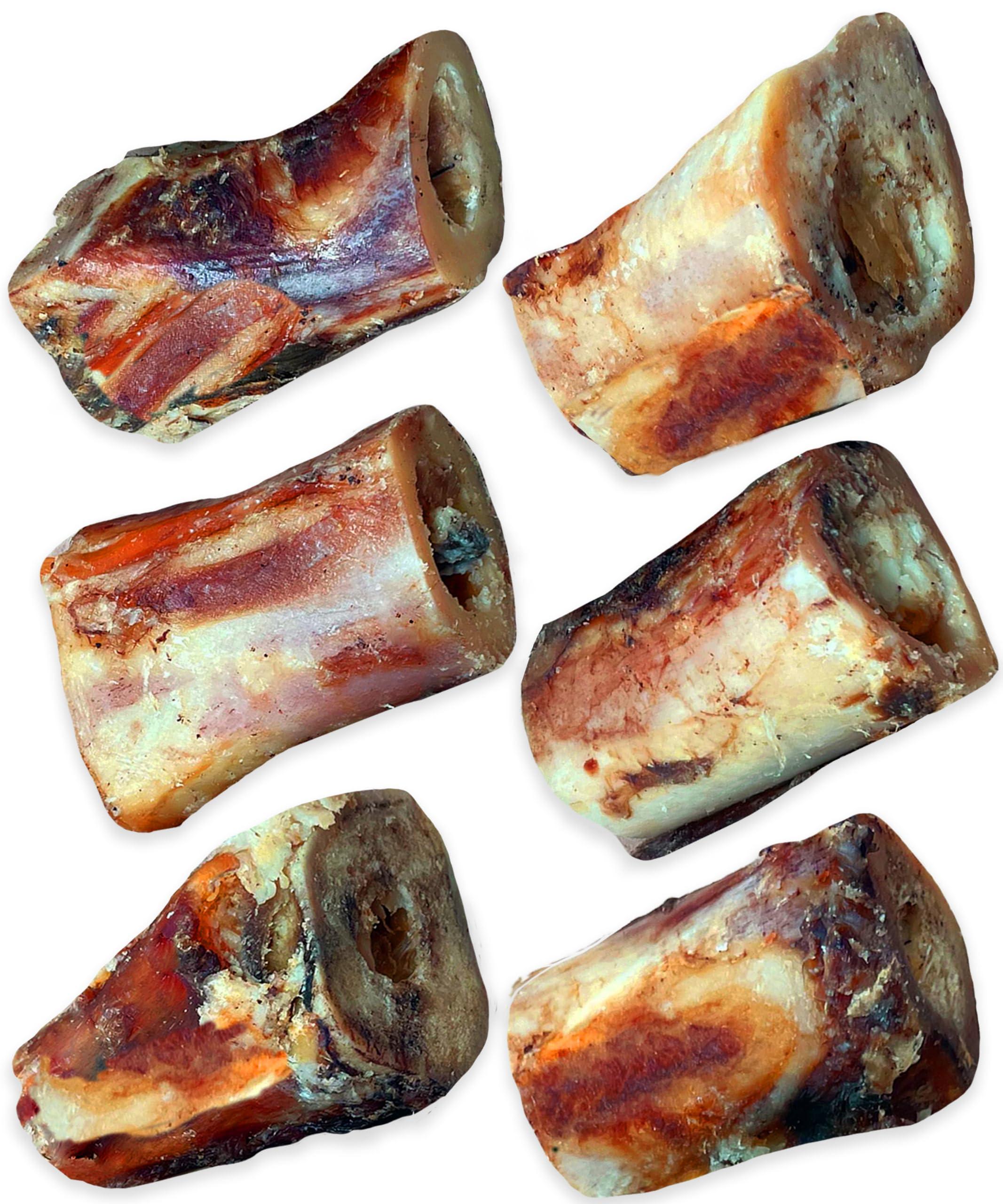
When it comes to selecting bone marrow for your canine companion, it’s important to consider a few key factors to ensure their safety and enjoyment. Freshness is crucial; always opt for fresh or frozen marrow bones from a reputable source. This not only maximizes nutritional value but also reduces the risk of bacterial contamination. Additionally, size matters; choose bones that are appropriately sized for your dog to prevent choking hazards and ensure they can comfortably chew without risking dental damage.
Consider these tips when choosing bone marrow for your dog:
- Source: Look for organic or grass-fed options to avoid hormones and antibiotics.
- Bone Type: Beef marrow bones are popular, but lamb or venison can be good alternatives for dogs with beef sensitivities.
- Preparation: Serve raw or lightly boiled, avoiding cooked bones which can splinter easily.
By carefully selecting the right bone marrow, you can provide a delicious and healthy treat that supports your furry friend’s overall well-being.
How Bone Marrow Supports Joint Health and Mobility
Bone marrow is a rich source of essential nutrients that play a significant role in maintaining your dog’s joint health and enhancing mobility. Packed with collagen, glucosamine, and chondroitin, these natural compounds work synergistically to support cartilage regeneration and reduce inflammation. This, in turn, helps to cushion the joints, providing relief from discomfort and promoting smoother movement. By incorporating bone marrow into your dog’s diet, you can help them enjoy a more active lifestyle, free from the stiffness that often accompanies aging or high-impact activities.
- Collagen: Supports the structure and elasticity of joint tissues.
- Glucosamine: Aids in the repair and maintenance of cartilage.
- Chondroitin: Helps to retain water in the cartilage, improving shock absorption.
In addition to these benefits, bone marrow is also a source of healthy fats, which are crucial for overall well-being. These fats provide energy and help in the absorption of fat-soluble vitamins, further contributing to your dog’s vitality. When served in moderation, bone marrow can be a delicious and nourishing treat that not only tantalizes your dog’s taste buds but also contributes to their long-term joint health.

Incorporating Bone Marrow into Your Dogs Diet Safely
When introducing bone marrow into your dog’s diet, it’s crucial to do so thoughtfully to ensure their health and well-being. Start by consulting with your veterinarian to determine the appropriate amount and frequency suitable for your dog’s size, age, and health status. It’s often recommended to begin with small amounts to monitor any potential reactions. Consider incorporating bone marrow in the following ways:
- Raw Marrow Bones: Offer raw marrow bones as an occasional treat. Ensure they are large enough that your dog cannot swallow them whole, reducing the risk of choking.
- Marrow Broth: Simmer marrow bones to create a nutritious broth. Once cooled, you can mix it with their regular meals for an added nutrient boost.
- Frozen Treats: Freeze small amounts of marrow in ice cube trays. These make for a refreshing and healthy snack, especially during warmer months.
Always supervise your dog when they are enjoying marrow bones to prevent any accidents. Moderation is key, as too much marrow can lead to digestive upset. With careful integration, bone marrow can be a delightful and beneficial addition to your dog’s diet.

Monitoring Your Dogs Health After Introducing Bone Marrow
Once you’ve introduced bone marrow into your dog’s diet, it’s essential to keep a close eye on their health and well-being. Observing your dog’s behavior and physical condition can help you ensure that the new dietary addition is beneficial. Here are some key areas to monitor:
- Digestive Health: Pay attention to your dog’s stool consistency and frequency. Bone marrow is rich and can sometimes lead to diarrhea or constipation if introduced too quickly. Gradually increasing the portion size can help prevent digestive upset.
- Allergic Reactions: Although rare, some dogs might have allergies to certain proteins. Look out for signs like itching, redness, or ear infections, which could indicate an adverse reaction.
- Energy Levels: A noticeable increase in energy and vitality can often be seen after incorporating bone marrow, thanks to its nutrient-dense profile. However, if your dog seems lethargic or unusually hyper, it may be worth consulting with a veterinarian.
- Weight Management: Bone marrow is high in fat, so it’s important to balance it within your dog’s overall diet to avoid weight gain. Regularly weigh your dog and adjust feeding portions as necessary.
By keeping these factors in mind, you can ensure that the introduction of bone marrow is a positive addition to your dog’s nutrition plan. Always remember to consult with a vet before making significant changes to your pet’s diet.