
Caring for a dog is a journey filled with joy, companionship, and countless cherished moments. However, when your furry friend has special needs, this journey may require a little extra patience, understanding, and dedication. Whether your dog is dealing with physical disabilities, chronic illnesses, or behavioral challenges, managing their unique requirements can feel overwhelming at times. But fear not—this article is here to guide you through the rewarding process of providing the best possible care for your special needs dog. With the right approach, resources, and a heart full of love, you can ensure that your beloved pet thrives and enjoys a fulfilling life. Let’s explore how you can become the ultimate advocate and caregiver for your exceptional canine companion.
Understanding Your Dogs Unique Requirements
Each dog is an individual, possessing its own set of unique requirements, especially when it comes to those with special needs. Understanding these needs is pivotal in providing the right care and support. Observing your dog’s behavior and physical condition is the first step towards comprehending their specific needs. Look for signs of discomfort, changes in appetite, or unusual behaviors, which can offer insights into what your dog may be experiencing.
When addressing your dog’s unique requirements, consider the following key aspects:
- Dietary Needs: Special diets may be necessary for dogs with allergies, digestive issues, or chronic conditions. Consult with a veterinarian to tailor a diet that meets your dog’s nutritional needs.
- Exercise and Mobility: Dogs with mobility issues may benefit from modified exercise routines. Activities like swimming can be a gentle way to keep them active without straining their joints.
- Medical Care: Regular check-ups and a consistent medication routine are crucial. Make sure to keep a detailed schedule of medications and appointments to ensure nothing is missed.
- Emotional Support: Dogs with special needs often require extra emotional support. Spend quality time with your pet, using gentle interactions and providing a comforting environment.
By attentively addressing these elements, you can create a nurturing and supportive environment that caters to your dog’s distinct needs, ensuring their happiness and well-being.

Creating a Safe and Comfortable Environment
Ensuring your special needs dog feels secure and at ease in their surroundings is crucial for their well-being. Begin by designating a specific area in your home where they can retreat to when they need comfort or solitude. This could be a cozy corner with a soft bed and their favorite toys. It’s important to maintain a consistent routine, as familiarity helps reduce anxiety and stress. Make sure to remove any hazards that could pose a risk, such as loose wires or sharp objects, to prevent accidents.
Consider using calming aids like pheromone diffusers or soothing music to create a serene atmosphere. Regularly check the temperature of the room to ensure it is neither too hot nor too cold, as this can affect your dog’s comfort. Some additional tips include:
- Installing ramps or pet stairs to help them access different areas without straining themselves.
- Using non-slip mats or rugs on slippery surfaces to prevent falls.
- Providing adaptive tools, such as raised feeders for dogs with mobility issues.
By tailoring your home to meet their unique needs, you offer them the peace and security they deserve.

Developing a Consistent Care Routine
Establishing a reliable care routine is pivotal for ensuring the well-being of a dog with special needs. Consistency is key in creating a sense of stability and security. Start by setting up a daily schedule that includes all essential activities such as feeding, exercise, medication, and grooming. Regular feeding times help maintain digestive health, while scheduled exercise supports physical fitness and mental stimulation. Adjust the intensity and duration of activities based on your dog’s abilities and comfort level.
Incorporate these elements into your routine:
- Medication Management: Use reminders or alarms to ensure timely administration of medications.
- Regular Check-ins: Monitor your dog’s health and behavior, noting any changes that may require veterinary attention.
- Enrichment Activities: Introduce puzzles and interactive toys to engage their mind.
- Quiet Time: Provide a calm space for rest, essential for recovery and stress reduction.
By sticking to a structured routine, you not only meet your dog’s physical needs but also nurture a deeper bond built on trust and predictability.
Building a Supportive Community for Your Dog
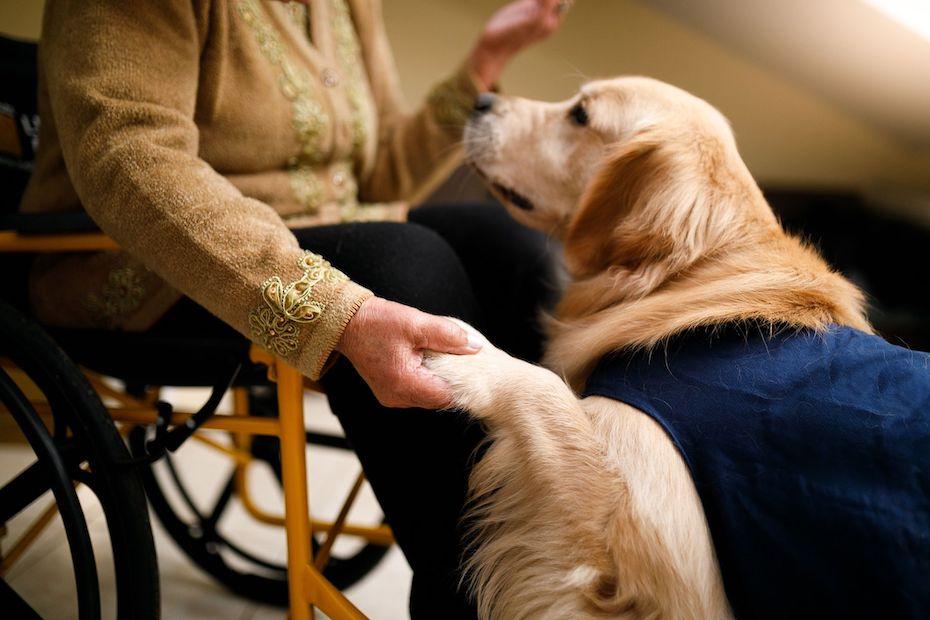
Fostering a nurturing environment for your dog with special needs begins with cultivating a circle of understanding and support. Engage with local pet communities where you can share experiences and learn from others facing similar challenges. Many cities have dog parks or community centers that host events for pets with special needs. These gatherings not only offer a chance for your dog to socialize in a safe environment but also provide an opportunity for you to connect with other pet owners who can offer advice and companionship.
- Join online forums and social media groups dedicated to special needs pets. These platforms can be invaluable for finding support and resources tailored to your dog’s unique requirements.
- Consult with veterinary professionals who specialize in special needs animals. They can provide guidance on creating a suitable home environment and recommend therapies or activities that promote your pet’s well-being.
- Organize regular meet-ups with friends and family who are comfortable and familiar with your dog’s needs. This will help your pet feel included and loved, reinforcing a sense of belonging.