
As devoted pet owners, we often find ourselves sharing almost every aspect of our lives with our furry companions. From cozy spots on the couch to adventurous walks in the park, our dogs are family members who bring joy and comfort into our homes. However, when it comes to mealtime, the line between sharing and safeguarding can become blurred. While those soulful eyes pleading for a taste of your dinner can be hard to resist, it’s essential to consider the impact of human food on your dog’s health. In this article, we’ll explore the reasons why you might want to think twice before sliding a piece of your meal into your pup’s eager mouth. By understanding the potential risks and benefits, you can make informed decisions that keep your four-legged friend happy and healthy.
Understanding the Risks of Sharing Your Meals with Furry Friends
When you see those puppy eyes staring up at you while you’re enjoying your meal, it’s tempting to share a bite or two. However, it’s crucial to recognize the potential hazards associated with this seemingly harmless gesture. While some human foods are safe in moderation, many others can pose serious health risks to dogs. Understanding these risks can help you make informed decisions about what to share with your furry companion.
Here are some common foods that can be harmful to dogs:
- Chocolate: Contains theobromine, which can be toxic to dogs.
- Grapes and raisins: Can cause kidney failure in dogs.
- Onions and garlic: May lead to anemia by damaging red blood cells.
- Avocado: Contains persin, which can cause vomiting and diarrhea.
- Xylitol: A sugar substitute found in many products, can cause insulin release, leading to hypoglycemia.
In addition to specific foods, it’s important to consider portion sizes. Even safe foods can lead to obesity and related health issues if given in large amounts. By being mindful of what and how much you share, you can keep your pet healthy and happy.

Recognizing Safe Human Foods for Your Canine Companion
When sharing a bite of your meal with your furry friend, it’s crucial to know which foods are safe and which ones should be off-limits. Fruits like apples (without seeds), blueberries, and watermelon can be a delightful treat for your dog, providing vitamins and hydration. Vegetables such as carrots, green beans, and sweet potatoes are not only safe but also packed with nutrients that can benefit your dog’s health. However, always ensure these are served plain, without any added butter, salt, or spices.
- Proteins: Cooked chicken, turkey, and beef are excellent sources of protein for dogs.
- Dairy: Small amounts of plain yogurt or cheese can be a good occasional treat, as long as your dog isn’t lactose intolerant.
- Grains: Plain rice and pasta can be a safe choice, especially if your dog is experiencing stomach issues.
While it’s tempting to share your plate, remember that some foods like chocolate, onions, and grapes are toxic to dogs. Always introduce new foods in moderation and watch for any adverse reactions. By being mindful and informed, you can safely enjoy mealtime moments with your canine companion.

Crafting a Balanced Diet for a Happy, Healthy Dog
In the quest to ensure our furry companions lead a joyful and vigorous life, crafting a diet that strikes the right balance is crucial. While it might be tempting to share your meal with your dog, not all human foods are suitable for their consumption. Focus on providing foods that are not only safe but also nutritionally beneficial. Here are some points to consider:
- Safe Treats: Lean meats, such as chicken or turkey, without seasoning can be a delightful addition to their diet.
- Fruits and Vegetables: Carrots, apples (without seeds), and blueberries are great for a vitamin boost.
- Whole Grains: Brown rice and oatmeal can be good sources of fiber.
However, there are certain human foods that should be kept away from your dog’s bowl. Avoid feeding them chocolate, grapes, or onions, as these can be harmful to their health. By focusing on dog-friendly ingredients, you can craft a diet that supports their well-being and keeps their tail wagging with happiness.
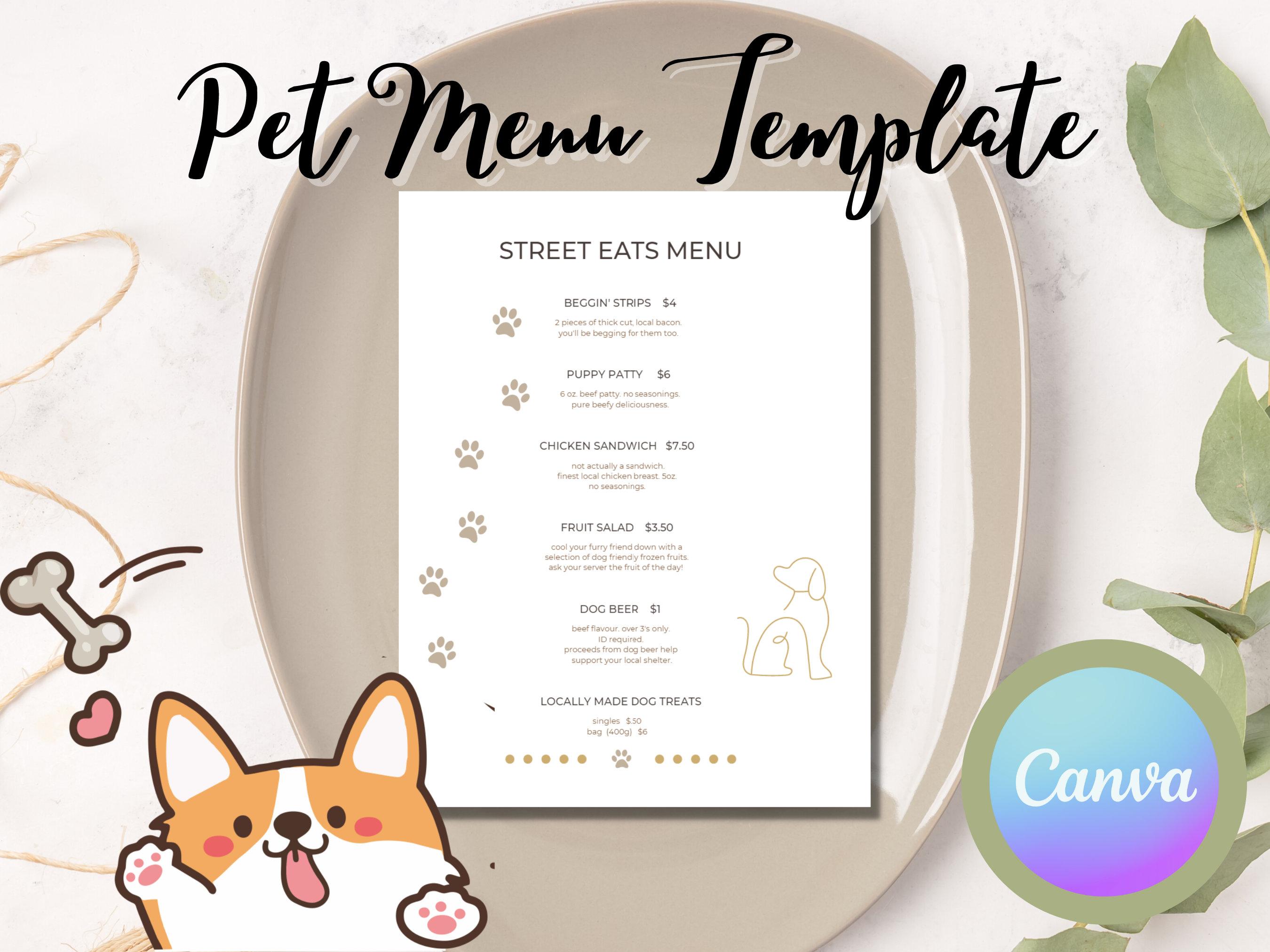
Tips for Transitioning Your Dog to a Canine-Friendly Menu
Transitioning your dog to a canine-friendly menu can be a rewarding process, but it requires patience and attention to detail. Start by introducing new foods gradually. Mix a small amount of the new food with your dog’s current diet and slowly increase the proportion over a week or two. This helps your dog’s digestive system adjust smoothly and reduces the risk of upset stomachs.
- Observe your dog’s reactions: Pay attention to any signs of allergies or intolerances, such as itching, vomiting, or diarrhea. If you notice any adverse reactions, consult your vet promptly.
- Incorporate a variety of textures and flavors: Dogs, like humans, enjoy variety. Including different types of meats, vegetables, and grains can make meals more enjoyable and nutritionally balanced.
- Stay informed: Not all human foods are safe for dogs. Familiarize yourself with foods that are toxic to dogs, such as chocolate, grapes, and onions, to keep your furry friend safe.
With a thoughtful approach, you can successfully transition your dog to a menu that meets their nutritional needs while keeping mealtime exciting.