
Every dog parent knows the sheer joy and boundless energy that a canine companion brings into the home. Yet, with this joy comes the responsibility of ensuring their safety, particularly when it comes to their instinctive habit of chewing. Dogs explore the world with their mouths, and while this behavior is natural and often beneficial for their dental health, it can sometimes lead them into trouble. Chewing on hazardous objects not only poses a risk to their wellbeing but can also lead to unexpected vet visits and medical expenses. In this article, we’ll explore practical and compassionate strategies to prevent dog injuries from chewing dangerous items. By understanding their needs and creating a safe environment, you can help your furry friend enjoy a happy, healthy life free from the dangers of hazardous chewing.
Understanding Common Hazardous Objects in Your Home
Our homes, while cozy and familiar, can sometimes harbor unexpected dangers for our curious canine companions. Power cords, batteries, and small household items such as buttons or coins can be particularly enticing for dogs to chew on. These objects, however, pose significant risks. Power cords can lead to electrical shocks, while batteries might cause chemical burns or even internal blockages if swallowed. Similarly, small items can easily become choking hazards or cause digestive obstructions.
- Power cords: Use protective covers or tape them to walls to keep them out of reach.
- Batteries: Store in a secure, elevated location, preferably in a locked drawer or cabinet.
- Small items: Regularly sweep floors and keep tables clear to prevent accidental ingestion.
By taking these simple steps, you can create a safer environment for your furry friend, allowing them to explore and play without the risk of injury. Remember, a little prevention goes a long way in keeping your dog healthy and happy.

Creating a Safe Environment for Your Curious Canine
Dogs are naturally curious creatures, often exploring the world with their mouths. To ensure their safety, it’s important to dog-proof your home by identifying and removing potential hazards. Begin by conducting a thorough sweep of your living spaces, looking for items that could pose a risk if chewed. Some common culprits include:
- Electrical cords – These can be extremely dangerous if chewed, potentially leading to electrocution. Use cord protectors or reroute cords out of reach.
- Household cleaners and chemicals – Keep these stored securely in cabinets, preferably with child-proof locks.
- Small objects – Items like coins, buttons, or batteries can be easily swallowed, leading to choking or internal injuries.
- Plants – Some plants are toxic to dogs, so ensure your greenery is safe or placed where your pup can’t reach.
In addition to removing hazards, provide your dog with safe alternatives to chew. Invest in durable, non-toxic chew toys and rotate them regularly to keep your pup engaged. By proactively managing your dog’s environment and offering appropriate outlets for their chewing instincts, you create a safe haven that nurtures their natural curiosity without compromising their well-being.
Training Techniques to Redirect Chewing Behavior
Redirecting your dog’s chewing behavior is an essential step in keeping them safe from harmful objects. Start by identifying the root cause of their chewing habits. Dogs often chew out of boredom, teething, or anxiety. Once you understand the reason, you can provide appropriate alternatives. Interactive toys that challenge their minds can be excellent for boredom, while soft, rubbery toys are soothing for teething pups. If anxiety is the issue, consider providing a comfort item that smells like you, such as an old t-shirt.
Consistency is key when training your dog to avoid hazardous chewing. Always supervise your dog and redirect them with a safe toy whenever they start chewing on something inappropriate. Reinforce positive behavior with praise and treats when they choose the correct item. Establish a dedicated play area with a variety of textures and shapes to keep their interest. Remember, patience and persistence will not only protect your furry friend but also strengthen your bond.
Choosing Safe and Engaging Toys for Your Dog
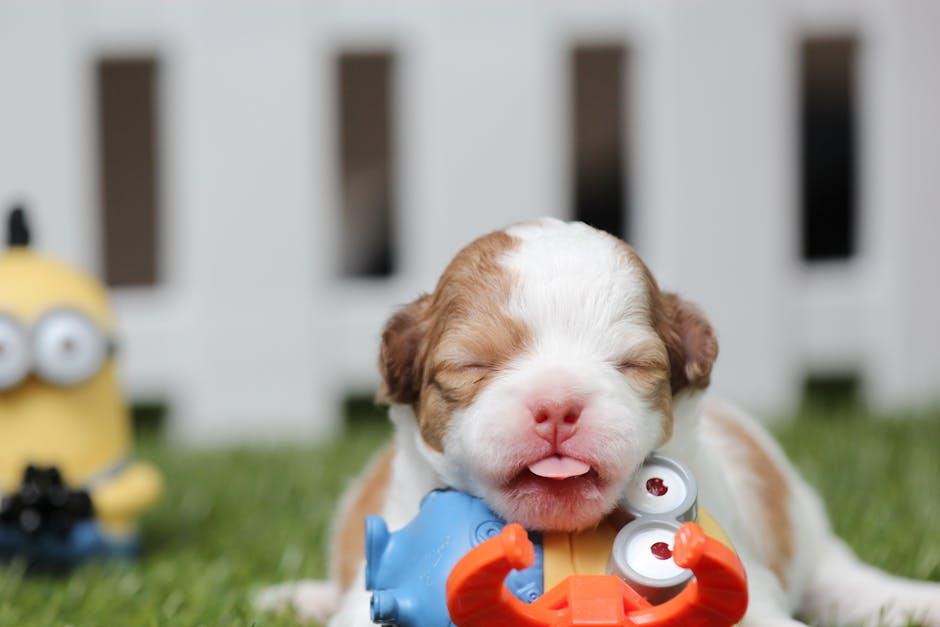
When it comes to selecting toys for your furry friend, ensuring they are both safe and stimulating is crucial. Safety should always be your first consideration. Look for toys made from non-toxic materials and avoid those with small parts that could easily break off and become a choking hazard. Opt for durable toys that can withstand enthusiastic chewing, such as those made from hard rubber or sturdy nylon. Inspect toys regularly for signs of wear and tear, and replace them if they become damaged to prevent potential injuries.
- Size Matters: Choose toys that are appropriately sized for your dog’s breed and mouth. A toy that is too small can be swallowed, while one that is too large may be difficult for your dog to play with.
- Engagement and Variety: Dogs can quickly become bored with the same toy. To keep your dog engaged, provide a variety of toys that cater to different play styles, such as chew toys, puzzle toys, and fetch toys.
- Supervised Play: Always supervise your dog during playtime, especially when introducing a new toy. This not only ensures safety but also strengthens your bond as you engage in interactive play.