
When the sun is shining and the temperature rises, few activities are as refreshing and joyful as taking a dip in a cool pool. For many pet owners, this scene wouldn’t be complete without their beloved canine companions splashing alongside them. However, the question of whether dogs should be allowed in pools often stirs up a mix of opinions and considerations. As we dive into this topic, it’s essential to weigh the joy and benefits against the practical and health-related aspects. In this article, we will explore the various factors to consider when deciding if your furry friend should join you in the pool, ensuring a safe and enjoyable experience for both you and your pet.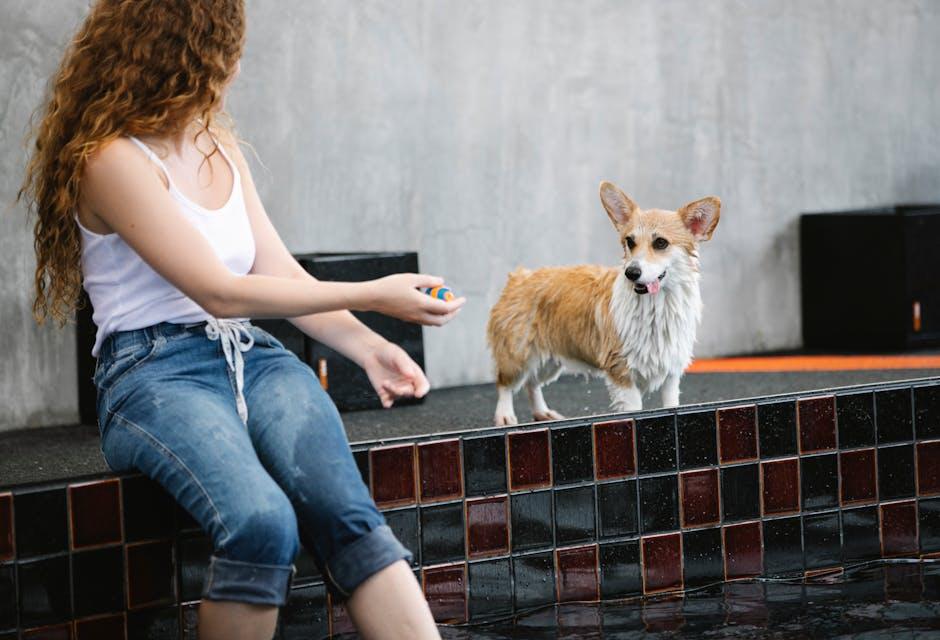
Understanding the Benefits and Risks of Letting Dogs Swim
Allowing your furry friend to dive into the refreshing waters can offer numerous benefits. Swimming is an excellent form of exercise for dogs, promoting cardiovascular health, building muscle strength, and helping to maintain a healthy weight. Additionally, it provides a great opportunity for mental stimulation, as dogs enjoy the playful activity and the novelty of water. For dogs suffering from joint issues or arthritis, the buoyancy of water offers a low-impact environment that can alleviate pressure on their joints, making it a therapeutic experience.
However, it’s important to be aware of the potential risks associated with canine swimming adventures. Some concerns to consider include:
- Water Safety: Not all dogs are natural swimmers. It’s crucial to supervise them at all times and consider using a doggy life jacket.
- Chemical Exposure: Pools often contain chemicals like chlorine, which can irritate a dog’s skin and eyes.
- Ear Infections: Moisture in the ears can lead to infections, especially in breeds with floppy ears.
By weighing these factors and taking appropriate precautions, you can ensure a safe and enjoyable swimming experience for your canine companion.
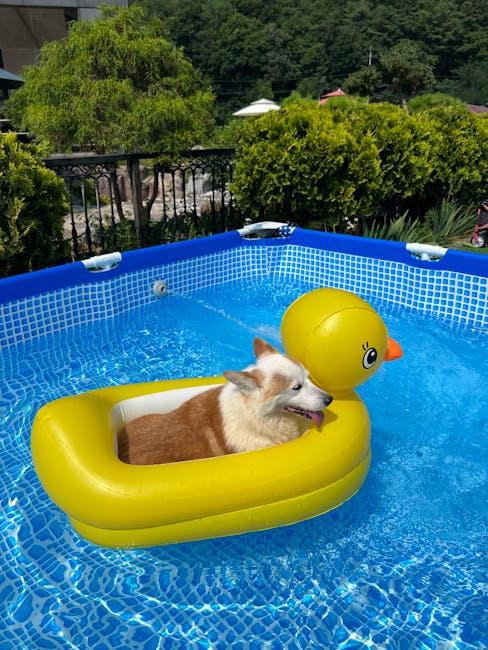
Creating a Safe and Enjoyable Pool Environment for Your Dog
Designing a pool environment that’s both safe and delightful for your furry friend involves a few thoughtful considerations. Start by ensuring the water quality is maintained at optimal levels, as dogs can be more sensitive to chemicals than humans. Opt for dog-friendly pool cleaning products that won’t irritate their skin or eyes. It’s essential to provide a gradual entry point, like a ramp or wide steps, to help your dog easily enter and exit the pool.
- Monitor your dog at all times: Supervision is key to preventing accidents.
- Rinse your dog post-swim: This helps to remove chlorine or any other pool chemicals from their coat.
- Establish pool rules: Train your dog to understand commands like “stay” or “exit” to maintain control and ensure safety.
Incorporating toys designed for water play can enhance your dog’s pool experience, keeping them engaged and active. Remember, not all dogs are natural swimmers, so consider investing in a canine life vest for added safety. By creating a welcoming and secure environment, you can transform pool time into a cherished activity for both you and your dog.
Choosing Dog-Friendly Pool Accessories and Equipment
Ensuring your furry friend can safely enjoy pool time involves selecting the right accessories and equipment. Floating ramps or steps are essential for providing an easy exit from the pool, preventing accidents or panic. These should be sturdy, non-slip, and designed specifically for canine use. Additionally, doggy life vests are a must-have for breeds that aren’t natural swimmers. Choose vests with adjustable straps and bright colors for visibility, and ensure they have a handle for easy lifting.
Consider toys made for water play that can withstand a dog’s bite and remain buoyant. This includes floating balls and discs that encourage exercise and fun. Keep your pool area clean and safe with pool skimmers designed to handle pet hair and debris. Lastly, a dog-friendly pool cover can prevent unsupervised access and keep the pool clean when not in use. Opt for a robust material that can support weight, ensuring no accidental falls. By selecting the right equipment, you create a safe and enjoyable environment for both you and your dog.

Training Tips for Introducing Your Dog to the Pool
Introducing your furry friend to the water can be an exciting adventure, but it’s essential to ensure their safety and comfort. Start by familiarizing your dog with the pool area. Let them sniff around and get accustomed to the sounds and smells. Keep the environment calm and free from distractions. Use a leash initially to maintain control and prevent any sudden jumps into the water.
When your dog is ready to get wet, consider these tips:
- Use a ramp or steps: Ensure your dog has an easy way to enter and exit the pool. A ramp or steps can help them feel secure.
- Start shallow: Begin in the shallow end or use a kiddie pool for their first experience.
- Positive reinforcement: Reward them with treats and praise to build a positive association with the water.
- Monitor their behavior: Watch for signs of fatigue or stress and give them breaks as needed.
- Invest in a life jacket: Especially for smaller or less buoyant breeds, a dog life jacket can provide extra safety.