
Welcoming a furry friend into your apartment is a joyous occasion, but it also comes with its unique set of challenges. In the cozy confines of apartment living, training your dog becomes not just a necessity but a rewarding journey towards harmonious cohabitation. Whether you’re a first-time dog owner or a seasoned pet parent, understanding how to tailor your training techniques to suit the apartment lifestyle is crucial. This guide is here to offer you practical, heartwarming strategies that ensure your dog thrives in your shared space. Together, we’ll explore how to nurture a happy, well-behaved companion, turning your apartment into a haven of wagging tails and contented barks.
Creating a Cozy Environment for Your Apartment Dog
Transforming your apartment into a haven for your furry friend involves a few thoughtful touches that cater to their comfort and happiness. Start by designating a cozy corner where your dog can retreat. This space should include a plush bed, some favorite toys, and a soft blanket to snuggle into. Consider placing this area away from heavy foot traffic to provide a sense of security.
Enhancing the ambiance with calming elements can make a significant difference. Use soft lighting and perhaps a diffuser with pet-safe essential oils like lavender to create a serene atmosphere. Additionally, ensure the temperature is comfortable, as dogs are sensitive to both heat and cold. To keep your dog entertained, introduce interactive toys that stimulate their mind and prevent boredom. These small adjustments not only foster a cozy environment but also help in making your apartment a welcoming and stress-free space for your beloved pet.
- Designate a quiet corner with a plush bed
- Incorporate soft lighting and calming scents
- Maintain a comfortable room temperature
- Provide interactive toys to engage their mind
Mastering Potty Training in Small Spaces
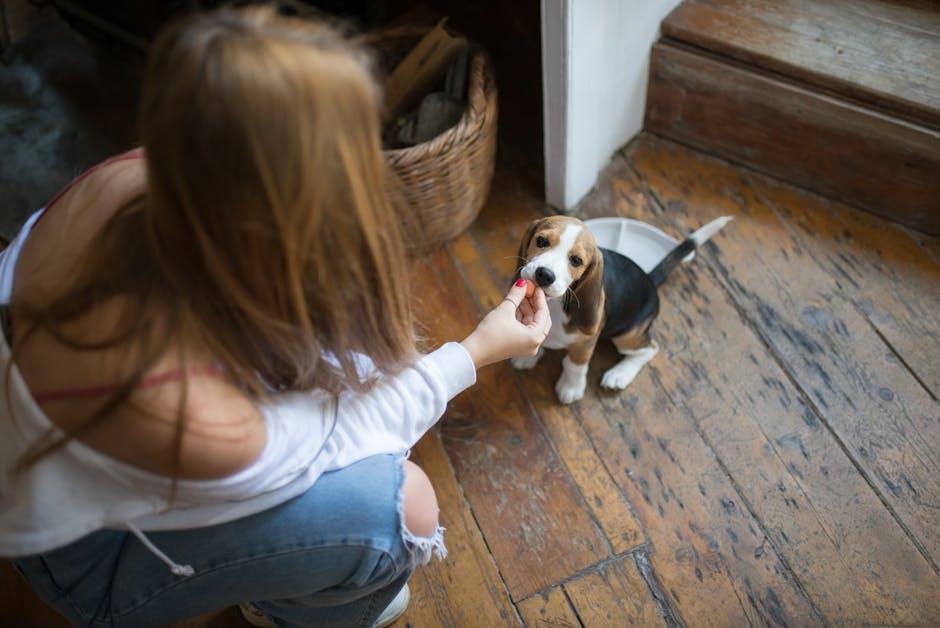
Navigating the world of potty training in a compact living space can be a unique challenge, but with some creative strategies, it’s entirely achievable. Understanding your dog’s natural instincts is key. Dogs typically prefer to eliminate away from their living area, so designate a specific spot in your apartment where they can comfortably do their business. You might consider a small balcony or a corner near a window with easy-to-clean flooring.
Implement a consistent schedule to help your dog anticipate potty times. This routine might include walks at the same time each day or scheduled bathroom breaks using a pee pad. Here are a few tips to make the process smoother:
- Use high-value treats as positive reinforcement to encourage successful potty trips.
- Invest in odor-neutralizing sprays to keep your living space fresh and inviting.
- Consider indoor grass patches or litter boxes designed for dogs, which can be a lifesaver in high-rise buildings.
Remember, patience and persistence are your best allies. Celebrate small victories and remain consistent in your approach to create a comfortable routine for both you and your furry friend.

Teaching Your Dog to Respect Apartment Noise Levels
Living in an apartment often means sharing walls, floors, and ceilings with neighbors, which requires a bit of training to ensure your furry friend maintains a peaceful environment. Begin by establishing a consistent routine that aligns with the noise levels you expect from your dog. Regular playtimes and exercise sessions can help expend energy, reducing the likelihood of excessive barking or restless behavior. Interactive toys can be a great tool to keep your dog occupied and mentally stimulated, especially when you’re not home.
- Desensitize your dog to common apartment sounds: Gradually expose your dog to typical noises such as elevators, footsteps in the hallway, or the sound of doors opening and closing. Reward calm behavior with treats or praise to reinforce their calmness.
- Create a cozy, quiet space: Designate a specific area in your apartment where your dog can retreat to when they need a break from the hustle and bustle. A comfortable bed or a crate with soft blankets can provide a sense of security.
- Practice basic obedience commands: Commands like “quiet” or ”settle” can be invaluable in managing noise levels. Consistently reinforce these commands with positive reinforcement techniques to ensure your dog responds appropriately.
With patience and persistence, your dog can adapt to apartment living, respecting the tranquility of your shared community space. Remember, a well-trained dog is not only a happier companion but also a more considerate neighbor.
Choosing the Right Toys to Keep Your Dog Engaged Indoors
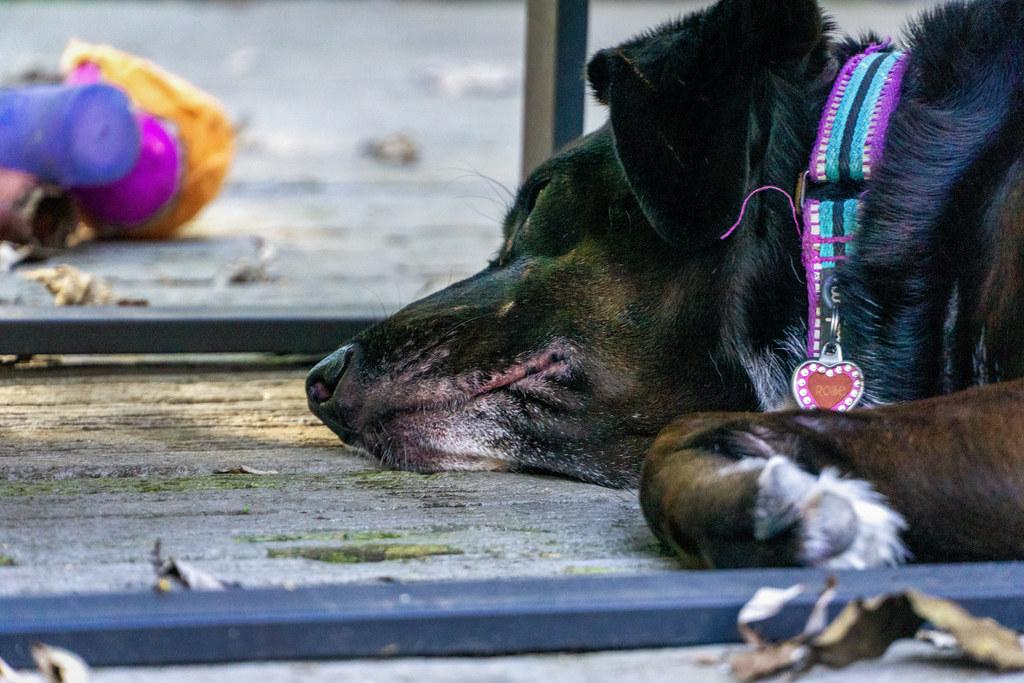
Selecting the perfect toys for your furry friend is crucial to keep them stimulated and happy, especially when space is limited. Interactive toys are a great option, as they not only entertain but also challenge your dog’s mind. Consider puzzle toys that dispense treats, encouraging your dog to think and problem-solve to earn a reward. Chew toys are also essential, providing a safe outlet for natural chewing instincts while keeping their teeth healthy.
You might also want to explore tug-of-war toys, which can be a fun way to bond and burn off energy. For those days when you’re busy, automatic fetch toys can be a lifesaver, allowing your dog to play fetch even in a compact space. Remember to rotate toys regularly to maintain your dog’s interest. Keeping a variety of textures, shapes, and sounds will ensure that playtime remains exciting and engaging.