
When welcoming a furry friend into your home, understanding the nuances of their behavior is essential for fostering a harmonious relationship. Among the myriad of decisions pet owners face, the choice to neuter their dog often arises, accompanied by a host of questions and considerations. Does neutering really improve dog behavior, or is it just a myth perpetuated through generations of pet ownership? In this article, we will explore the behavioral impacts of neutering, shedding light on both the potential benefits and limitations of this common veterinary procedure. With a warm and instructive approach, we aim to equip you with the knowledge to make an informed decision that best suits the needs of your canine companion and your household.
Understanding the Behavioral Changes Post-Neutering
After a dog undergoes neutering, many pet owners notice a variety of changes in their furry friend’s behavior. Neutering often leads to a reduction in aggressive tendencies, as it decreases testosterone levels, which can be a contributing factor to such behaviors. This hormonal change may result in a calmer demeanor, making dogs less prone to roam in search of a mate, and subsequently reducing the risk of them getting lost or injured. Additionally, neutered dogs may exhibit a decrease in marking territory with urine, which is often a relief for pet owners concerned about household cleanliness.
Other behavioral adjustments may include:
- Less mounting behavior, which can be embarrassing and unwanted.
- Decreased dominance, leading to more harmonious interactions with other dogs and humans.
- Improved focus on training, as neutered dogs may be less distracted by sexual urges.
However, it’s important to note that while neutering can influence behavior positively, it is not a cure-all for all behavioral issues. Proper training and socialization remain essential for a well-adjusted pet. Each dog is unique, and responses to neutering can vary, so observing and understanding your dog’s specific needs is crucial.
How Neutering Influences Aggression and Social Interaction
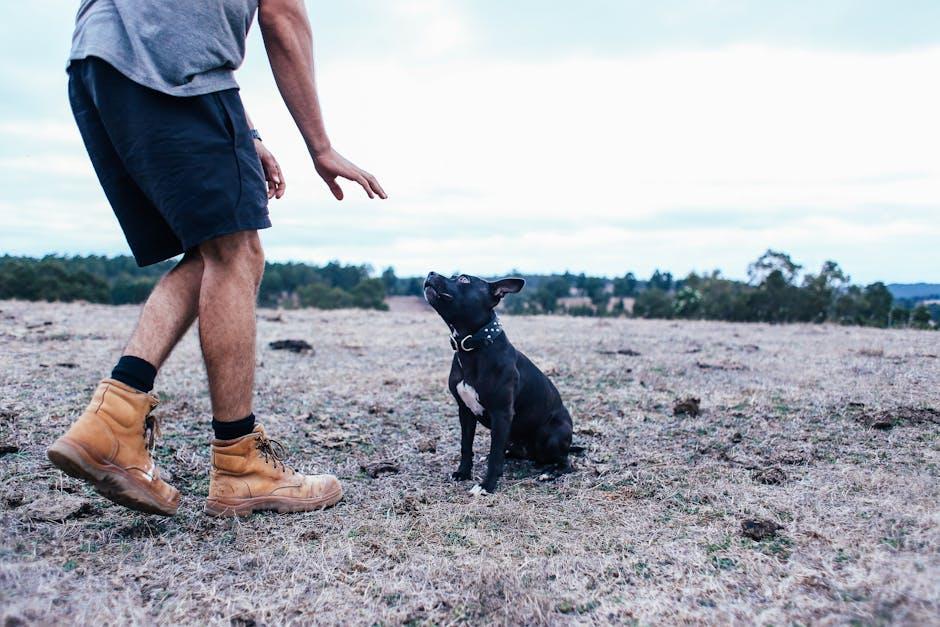
Neutering can significantly influence a dog’s behavior, particularly concerning aggression and social interaction. This procedure often leads to a reduction in certain types of aggressive behavior, especially those linked to territorial instincts and dominance. By removing the primary source of testosterone, neutering can help in mellowing aggressive tendencies that are often driven by hormonal influences. However, it’s important to note that the impact of neutering on aggression can vary depending on the individual dog’s personality and experiences.
Beyond aggression, neutering can also positively affect social behaviors. Many dog owners observe an increase in their pet’s ability to interact peacefully with other dogs post-neutering. This change is often because neutered dogs are less likely to engage in confrontational behaviors over mates or territory. Some of the social benefits include:
- Reduced roaming: Neutered dogs are less likely to wander in search of a mate, which decreases the chances of encounters that might lead to aggression.
- Improved focus: Without the distraction of mating urges, dogs often become more attentive and responsive during training sessions.
- Enhanced playfulness: A reduction in hormone-driven behaviors can lead to more relaxed and playful interactions with both humans and other animals.
While neutering can offer these benefits, it’s crucial to approach this decision with a comprehensive understanding of your dog’s specific needs and personality. Consulting with a veterinarian can provide guidance tailored to your furry friend’s unique behavioral profile.
Key Considerations Before Neutering Your Dog
- Age and Health: Consider the age and overall health of your dog. While puppies as young as eight weeks can be neutered, some veterinarians recommend waiting until a dog is a bit older. Consult with your vet to determine the most appropriate timing based on your dog’s breed, size, and health status.
- Behavioral Expectations: While neutering can reduce undesirable behaviors such as marking and aggression, it is not a guaranteed solution for all behavioral issues. Understand that training and socialization are crucial in shaping your dog’s behavior, and neutering should be seen as part of a broader strategy.
- Potential Risks: Like any surgical procedure, neutering carries some risks, including anesthesia complications and post-operative infections. Discuss these with your vet and ensure you are comfortable with the process. Proper post-surgery care is essential to mitigate risks and promote recovery.
- Long-term Health Benefits: Neutering can reduce the risk of certain cancers and other health issues. Weigh these benefits against potential risks and make an informed decision that aligns with your dog’s health needs and lifestyle.
- Ethical and Personal Beliefs: Reflect on your own beliefs about animal population control and pet care. Consider the impact of neutering on your dog’s life and your responsibilities as a pet owner, ensuring that your decision aligns with your values.

Tips for Supporting Your Dog’s Transition After Neutering
Helping your furry friend adjust after their neutering procedure requires a bit of patience and care. Here are some practical ways to ease this transition:
- Provide a Comfortable Resting Area: Ensure your dog has a quiet, cozy space to recover, away from the usual hustle and bustle of the home. This will help them feel secure and relaxed.
- Monitor Activity Levels: Limit physical activity for the first week post-surgery. Short, gentle walks are ideal to prevent overexertion and allow proper healing.
- Use an E-Collar: To prevent your dog from licking or biting the incision site, an Elizabethan collar (E-collar) can be very effective. It might take some time for them to adjust, but it’s crucial for a smooth recovery.
- Maintain a Calm Environment: Minimize exposure to loud noises or stressful situations. Consider playing soft music or using calming scents like lavender to create a serene atmosphere.
- Offer Gentle Reassurance: Spend quality time with your dog, offering gentle pets and soft words to reassure them that they are loved and safe.
By following these steps, you’ll not only support your dog’s physical recovery but also nurture their emotional well-being, ensuring a positive transition after neutering.