
In the early days of a puppy’s life, the world is a playground brimming with endless opportunities for discovery and joy. As new pet parents, it is both a delight and a responsibility to nurture these furry bundles of energy through the art of play. Playtime is not merely a frivolous pastime; it is a crucial component of a puppy’s development, fostering essential skills and strengthening the bond between you and your new companion. In this article, we will explore the multifaceted importance of play for puppies, offering insights into how these playful interactions contribute to their physical health, social development, and emotional well-being. Whether you’re a seasoned dog owner or a first-time puppy parent, understanding the role of play can help you raise a happy, healthy, and well-adjusted canine friend.
Understanding the Role of Play in Puppy Development
Play is a fundamental component of a puppy’s growth, serving not just as a source of joy, but as a crucial learning tool. Through playful interactions, puppies develop essential skills that will aid them throughout their lives. Socialization is one of the primary benefits, as play allows puppies to interact with humans and other animals, teaching them how to communicate and behave appropriately. During these interactions, puppies learn to interpret various social cues, such as body language and vocal tones, which are critical for their social development.
- Physical Development: Engaging in play helps puppies build strength and coordination, crucial for their physical health.
- Mental Stimulation: Through games and playful challenges, puppies enhance their problem-solving abilities and cognitive function.
- Emotional Growth: Play helps in reducing anxiety and building confidence, fostering a secure and happy disposition.
Moreover, playtime offers a unique opportunity for owners to bond with their puppies, creating a foundation of trust and companionship. By incorporating various toys and activities, such as fetch or tug-of-war, owners can ensure their puppies are getting a well-rounded experience that supports their development. Remember, the time spent playing with your puppy is an investment in their future well-being and happiness.
Creating a Safe and Stimulating Play Environment
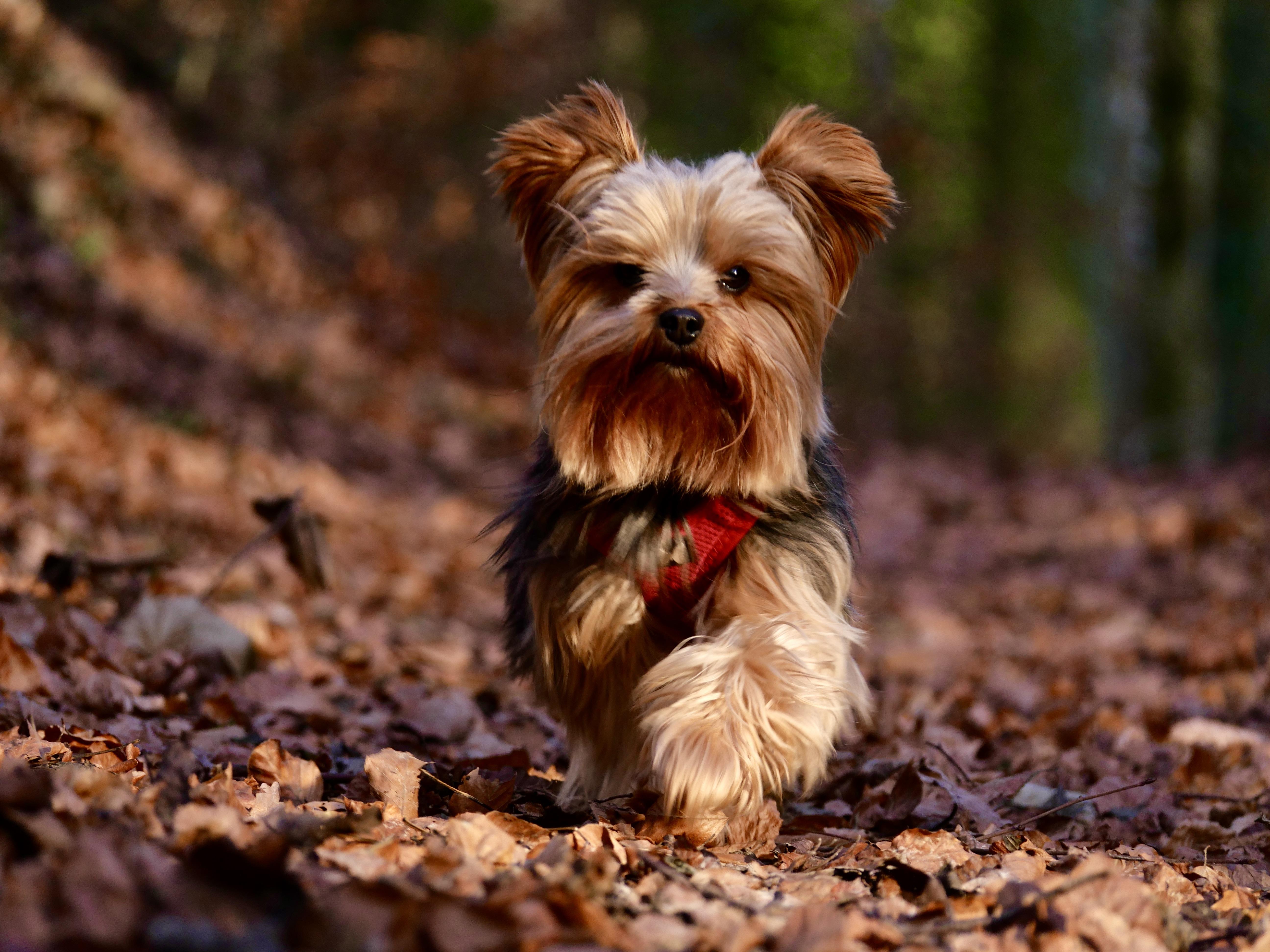
To nurture a puppy’s growth and happiness, establishing a safe and stimulating play area is crucial. Begin by selecting a space that is free from hazards such as sharp objects, electrical cords, and toxic plants. Ensure that the area is enclosed, preventing your puppy from wandering into unsafe zones. Use soft flooring like rubber mats or carpets to cushion falls and protect delicate paws.
- Incorporate a variety of toys that cater to different senses and skills, such as chew toys, puzzle games, and soft plushies.
- Rotate toys regularly to maintain your puppy’s interest and challenge their growing mind.
- Provide a cozy resting area where your puppy can retreat when tired.
Enhance the environment with interactive elements like tunnels or obstacle courses to encourage exploration and exercise. Engage with your puppy during playtime to build a strong bond and instill positive behaviors. Remember, a well-structured play environment is the foundation for a healthy, happy puppy.
Incorporating Interactive Toys and Games for Mental Growth
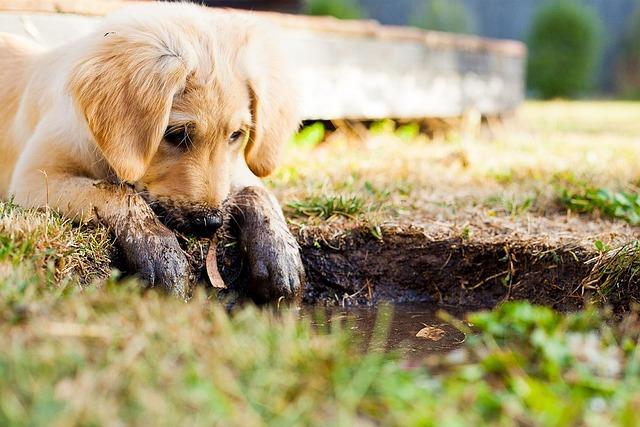
Engaging your puppy with interactive toys and games is a delightful way to stimulate their mental growth while keeping them entertained. Puppies, much like young children, learn about the world through play. By providing a variety of interactive toys, you are offering them opportunities to develop cognitive skills, problem-solving abilities, and even social interactions. Consider toys that challenge their minds, such as puzzle feeders or treat-dispensing toys. These not only keep your pup busy but also teach them patience and persistence as they work to uncover the rewards hidden within.
- Puzzle Feeders: Encourage strategic thinking and provide mental stimulation.
- Treat-Dispensing Toys: Reward-based play that enhances focus and motivation.
- Interactive Tug Toys: Foster bonding and teach cooperation through shared play.
Incorporating these activities into your puppy’s routine ensures that they are not only physically exercised but also mentally challenged. The key is to keep the playtime diverse and engaging, allowing your furry friend to explore and learn at their own pace. With the right tools and a little creativity, playtime can become a pivotal part of your puppy’s development journey.
Balancing Playtime and Rest for Optimal Puppy Health
Puppies are bundles of energy, eager to explore the world around them. However, just like young children, they need a balance of play and rest to thrive. Playtime is essential for puppies as it aids in physical development, mental stimulation, and social skills. Through play, puppies learn how to interact with their environment, people, and other animals. It is during these playful moments that they develop coordination, agility, and strength, setting the foundation for a healthy adult life. To ensure they benefit fully from play, it’s crucial to incorporate a variety of activities, such as:
- Interactive games like fetch or tug-of-war, which promote bonding and physical exercise.
- Puzzle toys that challenge their minds and keep them entertained.
- Social play with other dogs to enhance their socialization skills.
Equally important is the need for adequate rest, as puppies spend a significant portion of their growth phase sleeping. This downtime is crucial for their bodies to recover and for their brains to process new information. Owners should create a cozy, quiet space where their puppy can retreat and recharge, ensuring that rest periods are uninterrupted. By balancing stimulating play with restful sleep, you set the stage for your puppy to grow into a healthy, well-adjusted dog.