
Grooming your dog is more than just a routine chore; it’s a wonderful opportunity to bond with your furry friend while ensuring their health and happiness. Whether your dog is a bouncy pup or a seasoned senior, understanding the right grooming schedule is essential to keeping them comfortable and looking their best. In this guide, we’ll explore how often you should groom your dog, considering factors like breed, coat type, and lifestyle. With a little knowledge and a lot of love, you can create a grooming routine that suits your pet’s unique needs and strengthens the special connection you share. Let’s dive in and discover how to keep those tails wagging and coats shining!
Understanding Your Dogs Coat Type
Understanding the unique characteristics of your furry friend’s coat is essential to determining their grooming needs. Coat types can vary greatly among different breeds, and each type demands a specific approach to maintenance. Here are a few common coat types and their grooming requirements:
- Short Coat: Dogs with short hair, like Beagles or Boxers, typically require less frequent grooming. A weekly brushing is often sufficient to remove loose hair and maintain their sleek appearance.
- Double Coat: Breeds such as Huskies or Golden Retrievers have a dense undercoat beneath a longer topcoat. Regular brushing, about two to three times a week, helps prevent matting and manage shedding.
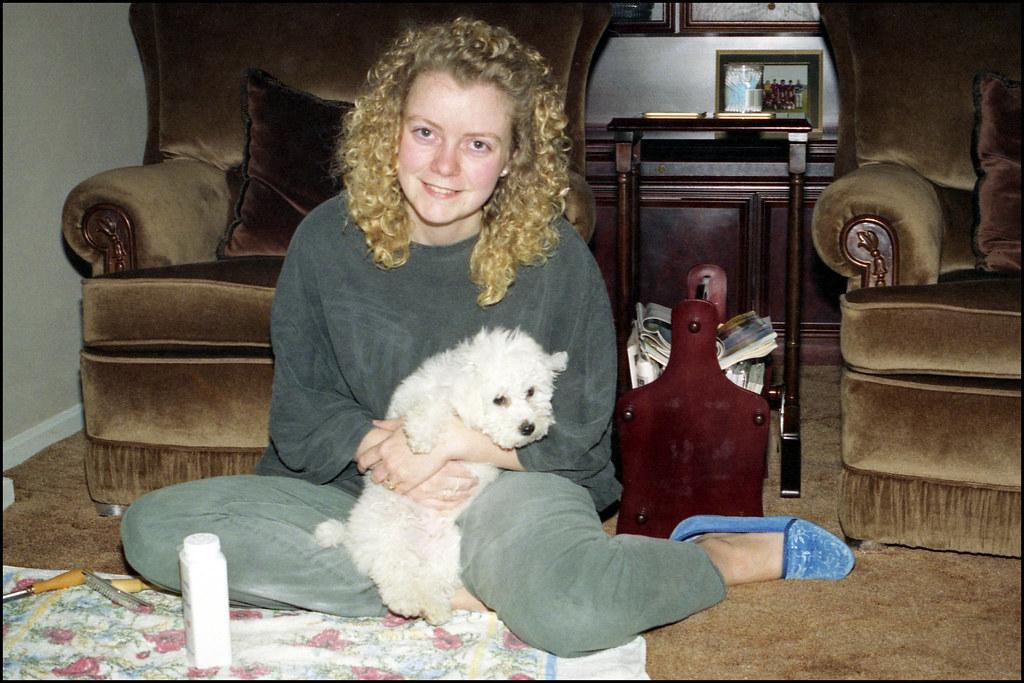
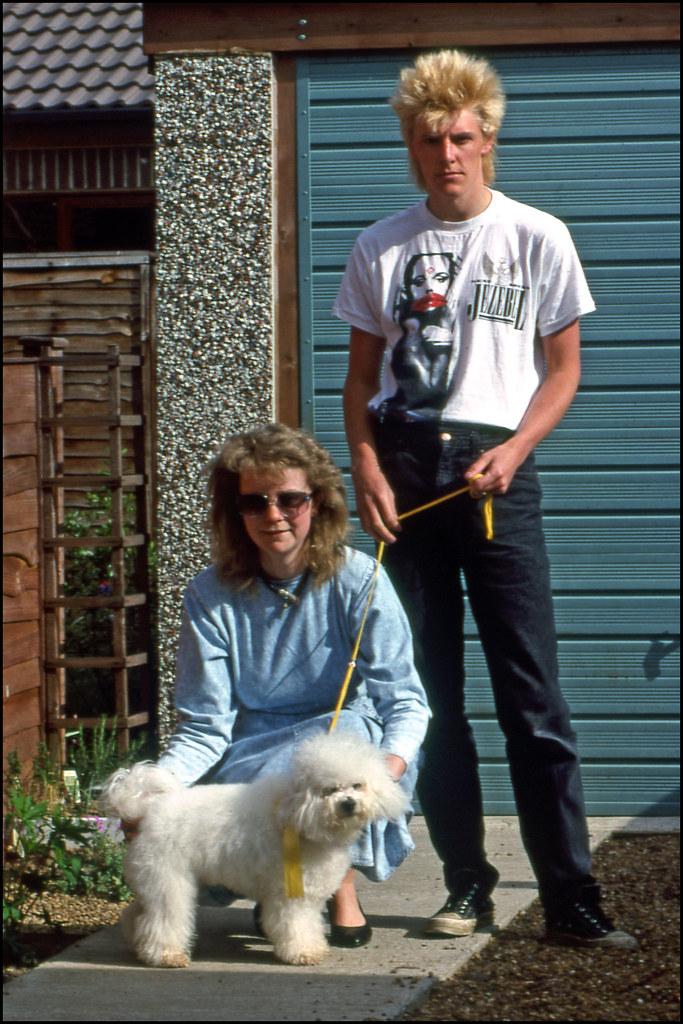
- Curly Coat: Poodles and Bichon Frises boast curly coats that can mat easily. These dogs benefit from daily brushing and professional grooming every 4-6 weeks to keep their curls in check.
- Wire Coat: Terriers often have wiry coats that need special attention. Hand-stripping or regular trimming is recommended every 6-8 weeks, alongside weekly brushing to maintain their distinctive texture.
By tailoring your grooming routine to your dog’s specific coat type, you’ll not only keep them looking their best but also ensure their comfort and well-being.
Routine Grooming Practices for Every Dog
Ensuring your furry friend is always looking their best requires a regular grooming routine tailored to their specific needs. The frequency of grooming depends largely on the breed, coat type, and individual health considerations. Here are some general practices to incorporate into your dog’s grooming regimen:
- Brushing: Most dogs benefit from regular brushing to remove loose hair and prevent matting. Short-haired breeds might only need a quick brush once a week, while long-haired breeds often require daily attention.
- Bathing: A monthly bath is typically sufficient for most dogs. However, more active dogs or those with skin conditions might need more frequent washes. Always use a dog-specific shampoo to maintain a healthy coat and skin.
- Nail Trimming: Overgrown nails can cause discomfort and lead to health issues. Aim to trim your dog’s nails every 3-4 weeks, but check them regularly to avoid overgrowth.
- Ear Cleaning: Some breeds are more prone to ear infections. Clean your dog’s ears monthly using a vet-recommended solution, and check for any signs of irritation or infection.
- Teeth Brushing: Oral hygiene is often overlooked but crucial for your dog’s health. Brushing their teeth a few times a week can prevent dental issues and freshen their breath.
Remember, every dog is unique, and their grooming needs may vary. Observing your dog’s behavior and appearance will help you adjust these practices to best suit their individual requirements. Regular grooming not only keeps your dog looking their best but also strengthens the bond between you and your four-legged companion.
Seasonal Grooming Tips for Optimal Health
Keeping your furry friend well-groomed isn’t just about maintaining their adorable appearance; it’s also crucial for their overall health and well-being. Grooming frequency can vary based on your dog’s breed, coat type, and lifestyle, but here are some seasonal tips to ensure your pet remains in tip-top shape all year round:
- Spring: As the weather warms up, your dog may start shedding their winter coat. Brushing them more frequently helps remove loose fur and prevent matting. Regular baths can also alleviate any itchiness caused by shedding.
- Summer: Focus on keeping your dog’s coat clean and cool. Weekly baths are recommended, especially if your pup enjoys outdoor activities. Trimming long fur can help with heat management, but avoid shaving too close to the skin.
- Autumn: With the change of seasons, debris like leaves and dirt can get tangled in your dog’s fur. Increase brushing sessions to prevent knots and tangles, and check their paws regularly for stuck particles.
- Winter: Cold weather can dry out your dog’s skin. Moisturizing shampoos and less frequent bathing can help maintain their natural oils. Pay attention to their paws and keep them clean from salt and ice.
By adapting your grooming routine to the seasons, you not only help maintain your dog’s appearance but also support their health and happiness throughout the year.
Choosing the Right Tools for Effective Grooming
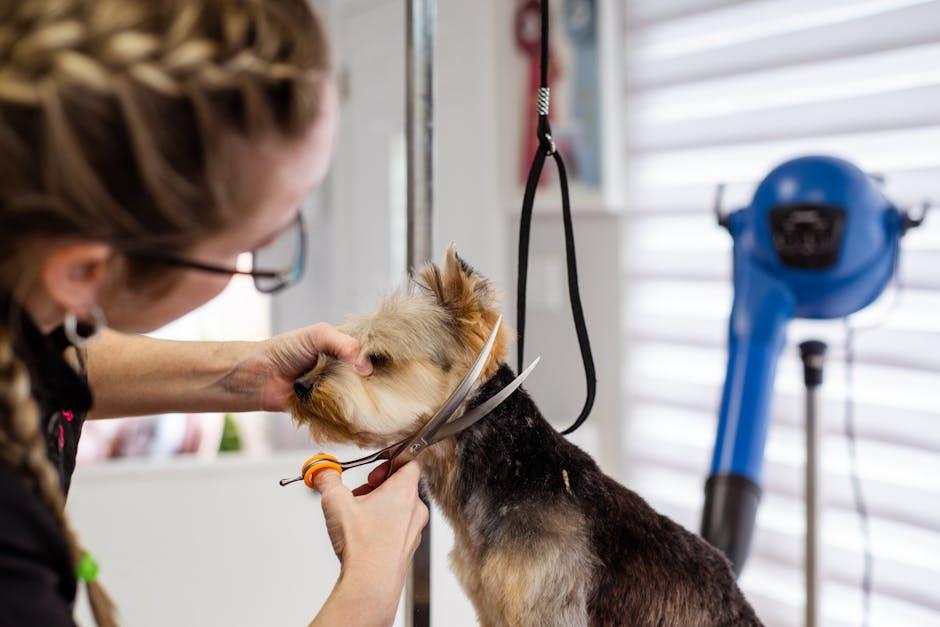
Ensuring your dog looks and feels their best requires selecting the appropriate grooming tools. Brushes are indispensable, with types ranging from bristle to slicker, each suited for different coat textures. For short-haired breeds, a rubber brush can work wonders, while long-haired companions may benefit from a pin brush to detangle their locks.
- Combs: Essential for removing tangles and ensuring a smooth coat, particularly for breeds with thicker fur.
- Nail Clippers: Choose between guillotine-style or scissor-style clippers, and consider a nail grinder for a smoother finish.
- Shampoo and Conditioner: Opt for products specifically designed for dogs, as human formulas can irritate their skin.
- Ear Cleaner: Regular use helps prevent infections and keeps ears fresh.
Investing in quality tools not only makes grooming more efficient but also transforms it into a bonding experience for you and your furry friend. Remember, the right tools can make all the difference in maintaining a healthy and happy pet.