
Managing a dog with possessive aggression can be a challenging yet rewarding journey, one that calls for patience, understanding, and a commitment to nurturing a harmonious relationship with your furry companion. Possessive aggression, often manifested when a dog becomes overly protective of resources like food, toys, or even people, is a behavior rooted in fear and insecurity. In this article, we will explore practical strategies and gentle techniques to help your dog feel more secure and less defensive. Our goal is to guide you with warmth and empathy, providing insights that not only address the behavior but also strengthen the bond you share with your beloved pet. Let’s embark on this path together, transforming challenges into opportunities for growth and connection.
Understanding the Roots of Possessive Aggression in Dogs
Possessive aggression in dogs often stems from a deep-seated need to protect resources they deem valuable. These resources can range from food and toys to spaces and even people. Understanding the root causes of this behavior is crucial for effective management. Genetics, early experiences, and environmental factors can all play significant roles in shaping a dog’s perception of resource threats. Recognizing the signs early, such as growling or snapping when approached, is essential to address the behavior before it escalates.
- Fear of loss: Dogs may fear losing access to a resource, leading to defensive behavior.
- Past experiences: A history of competition or scarcity can trigger possessiveness.
- Genetic predisposition: Certain breeds may naturally exhibit more territorial instincts.
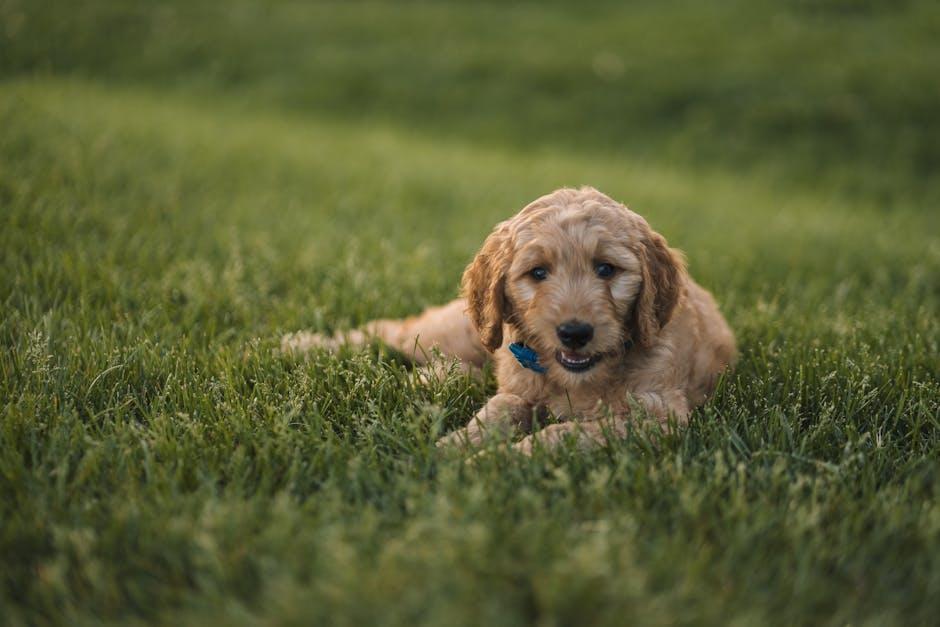
Creating a Safe and Structured Environment for Your Furry Friend
Possessive aggression in dogs can be a challenging behavior to manage, but with patience and the right approach, you can create a harmonious living space for both you and your furry companion. Begin by establishing clear boundaries and routines, which can help your dog understand what is expected of them. This structured environment can reduce anxiety and make your pet feel more secure. Consider implementing the following strategies:
- Consistent Training: Regular obedience training can reinforce positive behaviors and help your dog learn that aggression is not the answer. Use commands like “leave it” or “drop it” to teach your dog to relinquish objects willingly.
- Resource Management: Control access to items that trigger possessive behavior. This may involve removing toys or treats when they are not in use or designating specific times for play and feeding.
- Positive Reinforcement: Reward your dog for calm and non-aggressive behavior around possessions. Treats, praise, and affection can reinforce the idea that sharing and being non-aggressive leads to positive outcomes.
- Safe Spaces: Provide your dog with a designated safe zone, such as a crate or a quiet room, where they can retreat when they feel overwhelmed. This area should be free of potential triggers.
Remember, each dog is unique, and it may take time to see improvements. Consistency, patience, and love are key to helping your furry friend overcome possessive aggression and enjoy a more peaceful life with you.
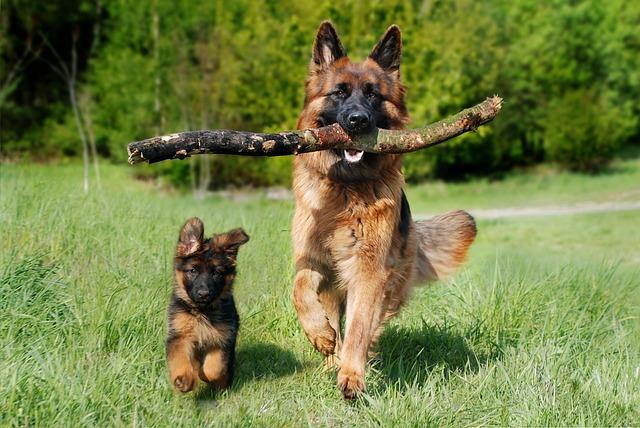
Effective Training Techniques to Curb Possessive Behavior
Addressing possessive behavior in dogs requires patience and consistency. Implementing effective training techniques can make a significant difference. Begin with positive reinforcement: reward your dog with treats, praise, or affection when they display non-possessive behavior. This encourages them to repeat these actions. Consistency is key, so ensure everyone in the household is on the same page with the training approach.
Incorporate the following techniques into your training routine:
- Desensitization: Gradually expose your dog to the triggers of their possessive behavior in a controlled and safe manner, allowing them to get used to the situation without reacting aggressively.
- Resource Trading: Teach your dog to trade their prized possession for something equally appealing. This can help them learn to let go of objects without feeling threatened.
- Structured Commands: Strengthen basic commands such as “leave it” or “drop it” to give you control over situations where possessiveness might arise.
Remember, understanding the underlying causes of your dog’s possessiveness can be crucial in addressing the behavior effectively. Each dog is unique, and sometimes professional guidance from a dog trainer or behaviorist might be necessary.

Building Trust and Strengthening Your Bond with Positive Reinforcement
Fostering a harmonious relationship with your dog is crucial, especially when dealing with possessive aggression. Positive reinforcement can be an invaluable tool in transforming challenging behaviors into cooperative ones. Here are some effective strategies to implement:
- Reward Good Behavior: Celebrate moments when your dog shows calmness around their prized possessions. Use treats, affection, or verbal praise to reinforce these positive actions.
- Practice Sharing Exercises: Gradually introduce sharing activities where you exchange a high-value item for a treat or another toy. This teaches your dog that giving up a possession can lead to rewarding outcomes.
- Consistency is Key: Ensure that everyone involved in your dog’s care uses the same cues and rewards. Consistency helps in building a stable and trusting environment for your dog.
By focusing on these positive reinforcement techniques, you’ll not only address the aggressive tendencies but also nurture a stronger, more trusting bond with your furry friend.