
Welcoming a furry friend into your home is an exciting journey filled with joy, companionship, and a few inevitable challenges. As any dog owner knows, fostering good behavior in our canine companions is essential for a harmonious relationship. Whether you’re a first-time pet parent or a seasoned dog lover, understanding the best ways to encourage positive behavior can transform your interactions and enhance your bond. In this guide, we will explore effective, compassionate strategies to nurture obedience and happiness in your dog. With a blend of patience, consistency, and love, you’ll discover how to create an environment where good behavior flourishes naturally, ensuring a fulfilling experience for both you and your four-legged friend.
Understanding Your Dogs Unique Personality
Every dog is a unique individual with its own distinct personality traits, much like humans. Understanding these traits is crucial in fostering good behavior. By paying close attention to your dog’s preferences, quirks, and reactions, you can tailor your approach to suit their specific needs. Here are some tips to help you get started:
- Observe and Listen: Spend time observing your dog in various situations to identify what makes them happy, anxious, or excited. This will give you insight into their comfort zones and boundaries.
- Positive Reinforcement: Use treats, praise, and affection to reward good behavior. This not only encourages repetition of desired actions but also strengthens your bond.
- Respect Their Space: Some dogs need more personal space than others. Recognizing when your dog needs alone time or a quiet place can prevent stress-induced misbehavior.
- Tailored Training: Customize training sessions to fit your dog’s learning style. Some dogs respond better to short, frequent sessions, while others may prefer longer, more involved training.
- Consistency is Key: Be consistent with commands and expectations to help your dog understand and adapt to the household rules.
By understanding and respecting your dog’s personality, you can create a nurturing environment that promotes good behavior and a happy, healthy relationship.

Building a Strong Bond Through Positive Reinforcement
Establishing a deep connection with your furry friend is not just about commands and obedience; it’s about nurturing a relationship built on trust and mutual respect. Positive reinforcement is a powerful tool in this journey, turning everyday interactions into opportunities for learning and bonding. By rewarding your dog for good behavior, you create a cycle of positive experiences that strengthen your relationship. Focus on what your dog does right, and offer rewards like treats, toys, or affection. Remember, the key is consistency and timing—reward your dog immediately after the desired behavior to reinforce the connection between the action and the reward.
- Use Treats Wisely: Choose healthy, small-sized treats that your dog loves. This keeps your dog motivated without adding too many calories to their diet.
- Incorporate Play: Dogs love to play, and using playtime as a reward can be just as effective as treats. Whether it’s a game of fetch or tug-of-war, ensure it’s something your dog enjoys.
- Praise and Affection: Sometimes, a simple pat on the head or a loving word can be the most meaningful reward. Make sure your tone is warm and genuine.
- Be Patient and Consistent: Training takes time, and your patience will pay off. Consistency is crucial in helping your dog understand which behaviors are desirable.
By focusing on these methods, you’ll not only encourage good behavior but also build a relationship filled with love and trust. Your dog will learn that good behavior leads to positive outcomes, making training sessions a joyful experience for both of you.

Creating a Consistent Routine for Your Furry Friend
Developing a steady routine for your dog is essential for promoting good behavior and overall well-being. A predictable schedule helps reduce anxiety and builds trust between you and your furry companion. Start by establishing consistent times for feeding, walking, and play. Dogs thrive on structure, and having a regular routine allows them to understand what to expect, making them more comfortable and secure in their environment.
- Feeding: Serve meals at the same time each day. This not only aids in digestion but also reinforces the structure.
- Exercise: Allocate specific times for walks and play sessions. This helps in burning off excess energy, reducing unwanted behaviors like chewing or barking.
- Training: Incorporate short training sessions into your daily schedule. Consistent reinforcement of commands can lead to improved obedience.
- Rest: Ensure your dog has a designated time and place for rest, helping them to relax and recharge.
By adhering to a consistent routine, you not only foster a well-behaved pet but also nurture a deeper bond with your dog. Remember, patience and persistence are key as you work together to establish this harmonious rhythm.
Utilizing Play and Exercise to Promote Good Behavior
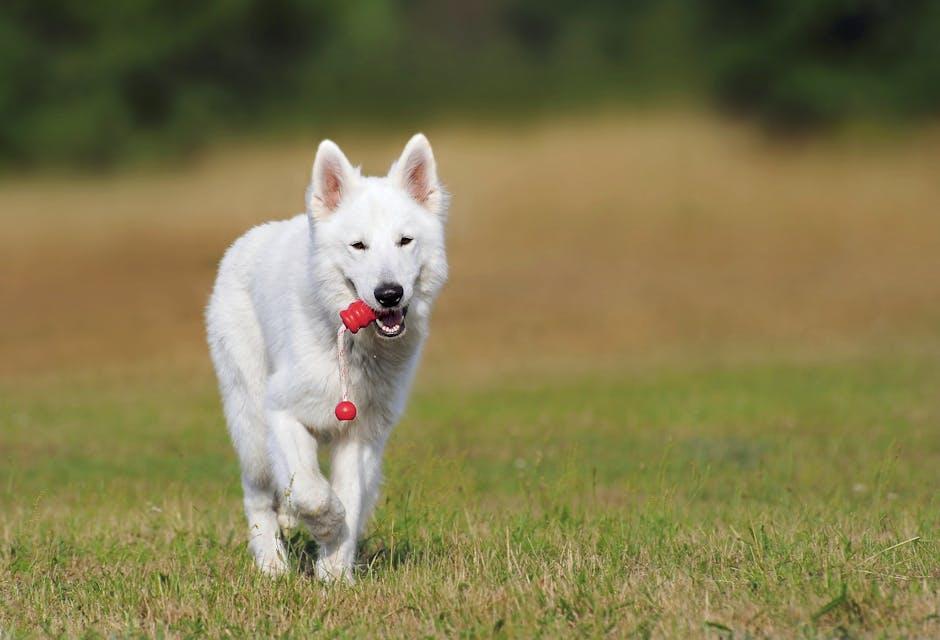
Engaging your furry friend in regular play and exercise is a fantastic way to channel their energy into positive actions. Not only does it keep them physically fit, but it also helps in maintaining a balanced state of mind, reducing the likelihood of undesirable behaviors. To make the most of this, consider incorporating a variety of activities that cater to your dog’s interests and energy levels. Here are some suggestions:
- Interactive Games: Games like fetch, tug-of-war, or hide and seek stimulate your dog’s mind and body, providing an outlet for their natural instincts.
- Agility Training: Setting up a simple obstacle course in your backyard can improve your dog’s focus and discipline while offering a fun challenge.
- Social Play: Organizing playdates with other dogs can enhance social skills and reduce anxiety, fostering a well-adjusted temperament.
- Daily Walks: Regular walks not only promote physical health but also allow your dog to explore new environments, which is vital for mental stimulation.
By integrating these activities into your daily routine, you will not only strengthen your bond but also cultivate a positive environment that encourages good behavior. Remember, a tired dog is a happy dog!