
Title: Revitalize Your Canine Companion:
Introduction:
Every dog owner cherishes the joyful wag of a tail and the spirited playfulness that makes our furry friends so special. Yet, just like us, dogs can sometimes experience low energy levels that leave them less eager to chase after a ball or enjoy a brisk walk in the park. Understanding how to naturally boost your dog’s vitality is key to ensuring their happiness and well-being. In this guide, we will explore practical and heartwarming strategies to help revitalize your canine companion, ensuring they lead an active, healthy, and joyful life. Whether it’s through nutrition, exercise, or mental stimulation, these tips are designed to bring out the best in your beloved pet, keeping their tail wagging and their spirit high.
Understanding Your Dogs Natural Energy Cycle
Every dog has its own unique rhythm that influences their activity levels throughout the day. Recognizing and understanding these natural cycles can help you align your activities with your dog’s energy peaks. Typically, dogs are most energetic in the morning and early evening. These times are perfect for engaging in vigorous play, long walks, or training sessions. During the afternoon, many dogs experience a lull and may prefer to relax or nap.
- Morning: Ideal for exercise and mental stimulation.
- Afternoon: A time for rest and quiet activities.
- Evening: Another opportunity for play and engagement.
By syncing your schedule with your dog’s natural energy cycle, you not only enhance their physical well-being but also strengthen your bond. Pay attention to their cues and be flexible; some days might require more active engagement, while others may need a gentler approach. Tailoring activities to your dog’s rhythm ensures they remain happy and healthy, while also preventing behavioral issues that can arise from excess energy or boredom.
Crafting a Nutritious Diet for Enhanced Vitality
To invigorate your furry friend with newfound zest, consider integrating a diet that emphasizes balanced nutrition. Dogs, much like humans, thrive on a variety of foods that cater to their unique needs. Begin by ensuring their meals are packed with high-quality proteins such as chicken, turkey, or fish, which are essential for muscle development and energy. Incorporate complex carbohydrates like sweet potatoes and brown rice to provide a steady release of energy throughout the day. Don’t forget to include a mix of healthy fats, such as those found in fish oil or flaxseed, to support joint health and a shiny coat.
- Fruits and Vegetables: Add a colorful array of fruits and vegetables like carrots, blueberries, and spinach to deliver essential vitamins and antioxidants.
- Hydration: Ensure your dog has constant access to fresh water to maintain hydration, which is crucial for energy metabolism.
- Portion Control: Adjust portion sizes based on your dog’s activity level and weight to avoid overfeeding, which can lead to sluggishness.
By crafting a meal plan that caters to these nutritional needs, you’ll be setting the stage for your dog to enjoy a more vibrant and energetic lifestyle. Remember, consistency is key, and regular check-ins with your vet can help tailor the diet to your dog’s specific requirements.
Incorporating Fun and Stimulating Exercise Routines
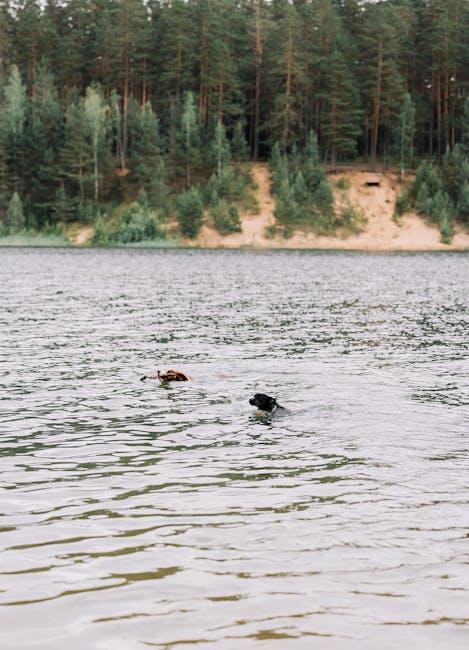
Engaging your furry friend in a variety of activities can work wonders in boosting their energy levels. Try incorporating games like fetch or tug-of-war into their daily routine. These classic games not only provide physical exercise but also stimulate your dog’s mind. Another exciting option is to introduce agility training, which can be as simple as setting up a mini obstacle course in your backyard using household items. This not only helps improve your dog’s coordination but also strengthens your bond as you guide them through the course.
For a touch of mental stimulation, consider interactive toys or puzzle feeders that challenge your dog to think and work for their treats. These toys are great for keeping your dog occupied and engaged, especially on days when outdoor activities are limited. Here are a few ideas to get you started:
- Hide and Seek: Hide treats around the house and encourage your dog to find them.
- Treasure Hunt: Bury toys or treats in a sandbox for your dog to dig up.
- DIY Obstacle Course: Use chairs, blankets, and boxes to create a fun course indoors.
By mixing up these activities, you’ll not only keep your dog physically active but also mentally sharp, ensuring they’re happy and healthy companions.
Creating a Restful Environment for Optimal Recovery
Crafting a peaceful sanctuary for your dog is essential for their recovery and energy replenishment. Start by designating a quiet space where they can retreat and relax. This area should be free from loud noises and excessive foot traffic. Consider adding soft bedding or a cozy blanket, which can provide comfort and warmth. Dim lighting can also help create a serene atmosphere that encourages rest.
Introduce calming elements to enhance the tranquility of their space. Aromatherapy using pet-safe essential oils like lavender or chamomile can be beneficial. Playing gentle, soothing music or nature sounds at a low volume may also help. Additionally, ensure that the temperature is comfortable, neither too hot nor too cold, as this will aid in a more restful sleep. Creating such an environment not only supports physical recovery but also improves your dog’s overall well-being.
- Quiet, designated space
- Soft bedding or blankets
- Dim lighting
- Pet-safe aromatherapy
- Gentle music or nature sounds
- Comfortable temperature