
Taking your furry friend to the vet can often feel like an overwhelming experience for both you and your dog. The unfamiliar environment, strange smells, and other anxious pets can turn a routine check-up into a stressful ordeal. However, with the right approach, you can train your dog to remain calm and composed during these visits, ensuring a more pleasant experience for everyone involved. In this guide, we will explore effective strategies to help your canine companion feel at ease at the vet, transforming those anxious moments into opportunities for bonding and trust-building. With patience, understanding, and a little bit of practice, you’ll soon find your dog stepping into the vet’s office with confidence and calmness.
Creating a Positive Association with Vet Visits
One of the keys to helping your dog remain calm during vet visits is by fostering a positive connection with the experience. Start by associating the vet’s office with treats and fun. Bring along their favorite treats or toys and offer them generously during and after the visit. This helps your dog create a link between the vet and positive outcomes. You can even practice mock visits at home, setting up a play vet clinic where you handle them gently, rewarding them for their cooperation.
Additionally, make the journey to the vet a pleasant one. Play calming music, keep the car temperature comfortable, and use a soothing voice to talk to your dog. Here are a few tips to help:
- Take short trips to the vet’s office without an appointment, just to give treats and leave.
- Ask the vet staff to give your dog a treat during the visit.
- Gradually desensitize your dog to handling, especially around sensitive areas like paws and ears.
By consistently pairing vet visits with positive reinforcement, you transform them into a less daunting experience, helping your furry friend to remain calm and composed.

Mastering the Art of Calmness Through Desensitization
Training your furry friend to remain composed during vet visits involves gradual exposure to the clinic environment, transforming it from a place of stress to a haven of calm. Begin by making short, positive visits to the vet’s office without any examinations. Allow your dog to explore the waiting area, rewarding them with treats and affection for their relaxed demeanor. This helps build a positive association with the surroundings.
To reinforce this calm behavior, consider the following strategies:
- Play Vet at Home: Mimic vet exams at home by gently handling your dog’s paws, ears, and mouth, rewarding them with treats for staying calm.
- Introduce Vet Sounds: Play recordings of typical clinic sounds, such as the jingling of medical tools, at a low volume while engaging your dog in enjoyable activities.
- Practice Short Trips: Take your dog on brief car rides ending at the vet’s office, gradually increasing the duration and rewarding their calmness.
With patience and consistency, your dog will begin to associate vet visits with positive experiences, making the trip less daunting for both of you.
Utilizing Positive Reinforcement Techniques for a Relaxed Experience
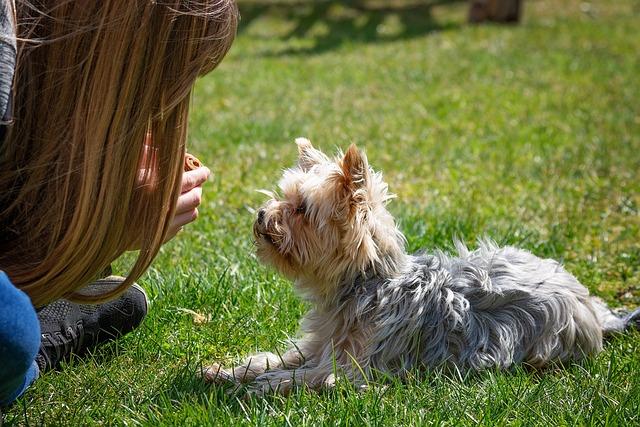
Training your dog to remain calm at the vet involves leveraging positive reinforcement techniques to create a stress-free experience. Start by associating vet visits with positive outcomes. This can be done by rewarding your dog with treats, affection, or playtime every time you approach the vet’s office or even during routine handling exercises at home. It’s important to ensure these rewards are given consistently and immediately after desired behavior, reinforcing the connection between calmness and positivity.
Consider incorporating a few strategies to make vet visits more comfortable for your furry friend:
- Short practice visits: Take your dog to the vet without an appointment to simply explore and receive treats.
- Desensitization exercises: Regularly handle your dog’s paws, ears, and mouth at home to mimic the vet’s actions.
- Reward calm behavior: Offer treats and praise when your dog remains calm during car rides or while waiting at the vet.
These methods can help build a positive association with the vet, gradually transforming what was once a source of anxiety into a routine part of your dog’s life.
Building a Trusting Relationship with Your Veterinarian
Fostering a trusting bond with your veterinarian is essential for both you and your dog. A good relationship can make visits more pleasant and effective. Here are some strategies to build that connection:
- Open Communication: Be proactive in discussing your dog’s health, behavior, and any concerns you might have. This transparency helps your vet provide the best care possible.
- Consistency: Try to see the same veterinarian or veterinary team at each visit. Familiar faces can make both you and your dog feel more at ease.
- Respect and Patience: Understand that your veterinarian is there to help. Be patient during visits, especially if your dog is anxious or if there are delays.
By nurturing a relationship built on trust and understanding, you not only make vet visits smoother but also ensure your pet receives the highest quality of care.