
Caring for your dog after surgery can be a daunting task, but with the right guidance, you can help ensure a smooth and comfortable recovery for your furry friend. Whether it’s a routine procedure or a more complex operation, post-surgical care is crucial to your dog’s healing process. This article will walk you through the best ways to tend to your pet’s needs during this critical time, offering practical tips and heartfelt advice to ease your worries. By focusing on attentive care, patience, and love, you’ll be able to support your dog as they regain their strength and vitality. Let’s embark on this journey together, ensuring that your loyal companion receives the best care possible in their time of need.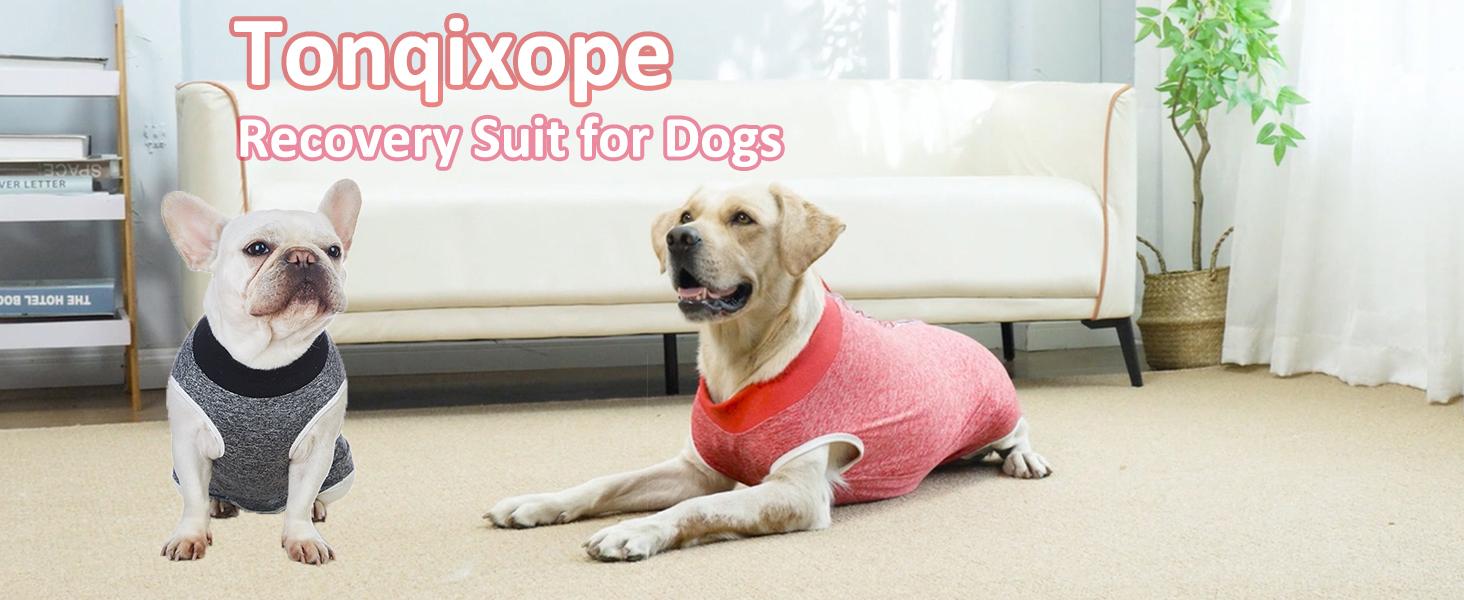
Creating a Comfortable Recovery Space for Your Furry Friend
Ensuring a cozy and tranquil environment for your dog post-surgery is essential to their healing journey. Start by designating a quiet area in your home where they can rest undisturbed. This spot should be free from noise and high foot traffic, allowing your pet to recuperate peacefully. Soft bedding is crucial; consider using a plush dog bed or a stack of blankets to provide cushioning and support for their sore body. Temperature control is also vital—keep the room comfortably warm, but not too hot, as your dog might be more sensitive to temperature changes during recovery.
- Limit Movement: Use baby gates or playpens to restrict their access to stairs and high furniture.
- Accessible Water and Food: Ensure bowls are nearby to minimize the need for your dog to move around.
- Calming Atmosphere: Consider playing soft music or using a white noise machine to help soothe them.
- Regular Check-ins: Visit your furry friend often to offer comfort and ensure they’re healing well.
Nutrition and Hydration Tips to Boost Healing
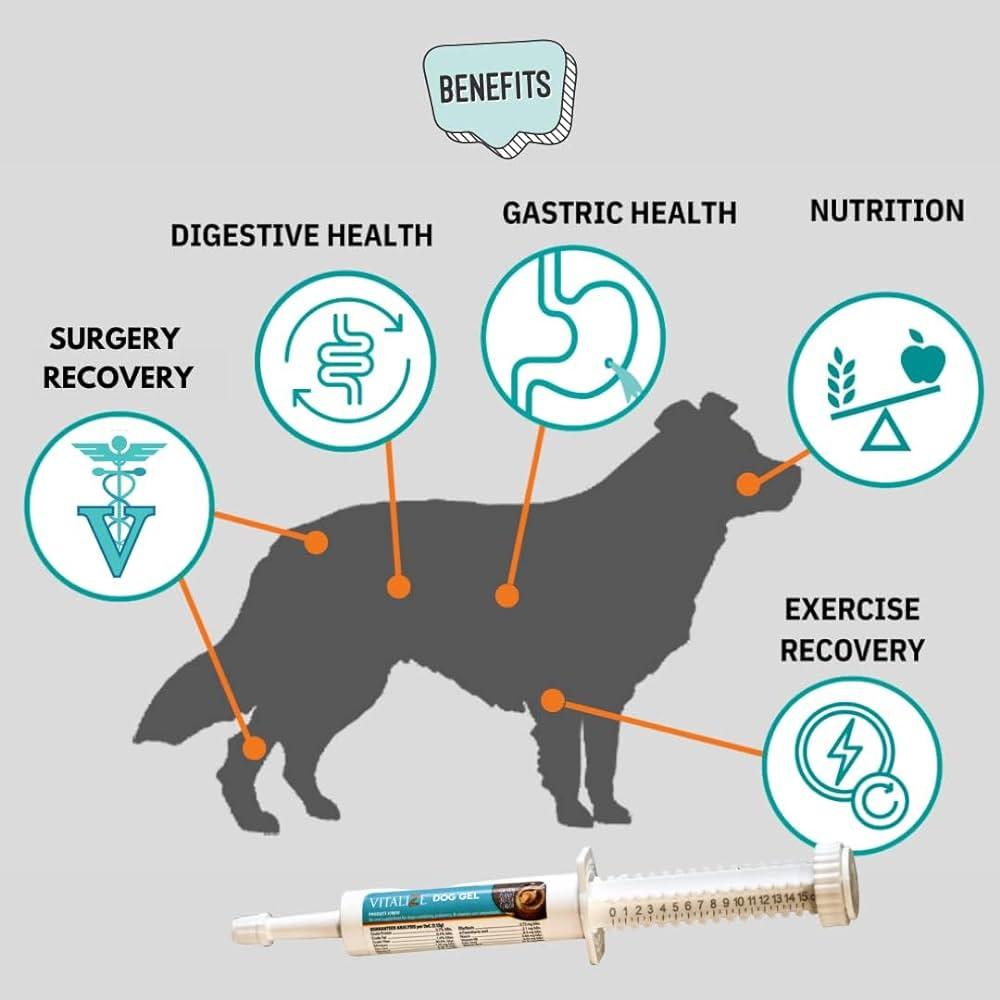
Ensuring your dog receives the right nutrition and stays properly hydrated can significantly aid in their recovery journey. Balanced meals rich in proteins are essential as they help in tissue repair and muscle recovery. Opt for lean meats, fish, or plant-based proteins if your dog has specific dietary needs. Incorporate vegetables like carrots or spinach for their vitamins and minerals, which support immune function. Omega-3 fatty acids, found in fish oil, can help reduce inflammation and promote healing.
- Protein: Lean meats, fish, plant-based options
- Vitamins & Minerals: Carrots, spinach
- Omega-3 Fatty Acids: Fish oil supplements
Hydration is equally vital. Always ensure fresh water is available and encourage regular drinking. If your dog seems reluctant, try adding a splash of low-sodium chicken broth to their water bowl to make it more enticing. This not only keeps them hydrated but also adds extra nutrients to their diet.
Gentle Exercise and Activities to Aid Recovery
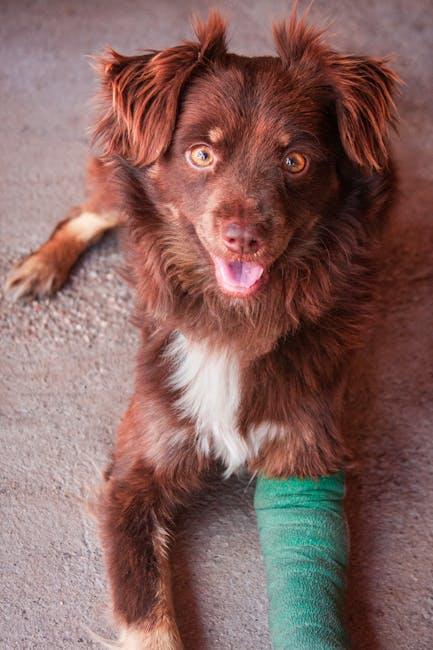
After your furry friend has undergone surgery, it’s essential to help them regain strength and mobility through gentle activities. Start with short, slow walks around the garden or a quiet area in your neighborhood. These walks should be more about sniffing and exploring rather than covering distance, as they help stimulate your dog’s senses and provide mental enrichment. Gradually increase the duration as your pet shows signs of improvement.
- Interactive Toys: Offer toys that encourage gentle play and mental engagement without strenuous physical activity.
- Massage Therapy: Soft, soothing massages can improve circulation and relieve muscle tension, promoting relaxation and healing.
- Hydrotherapy: If recommended by your vet, water-based exercises can be a low-impact way to build strength and endurance.
Remember, every dog heals at their own pace. Always consult with your veterinarian before introducing any new activity to ensure it aligns with your dog’s specific recovery needs.
Monitoring and Managing Post-Surgery Pain with Care
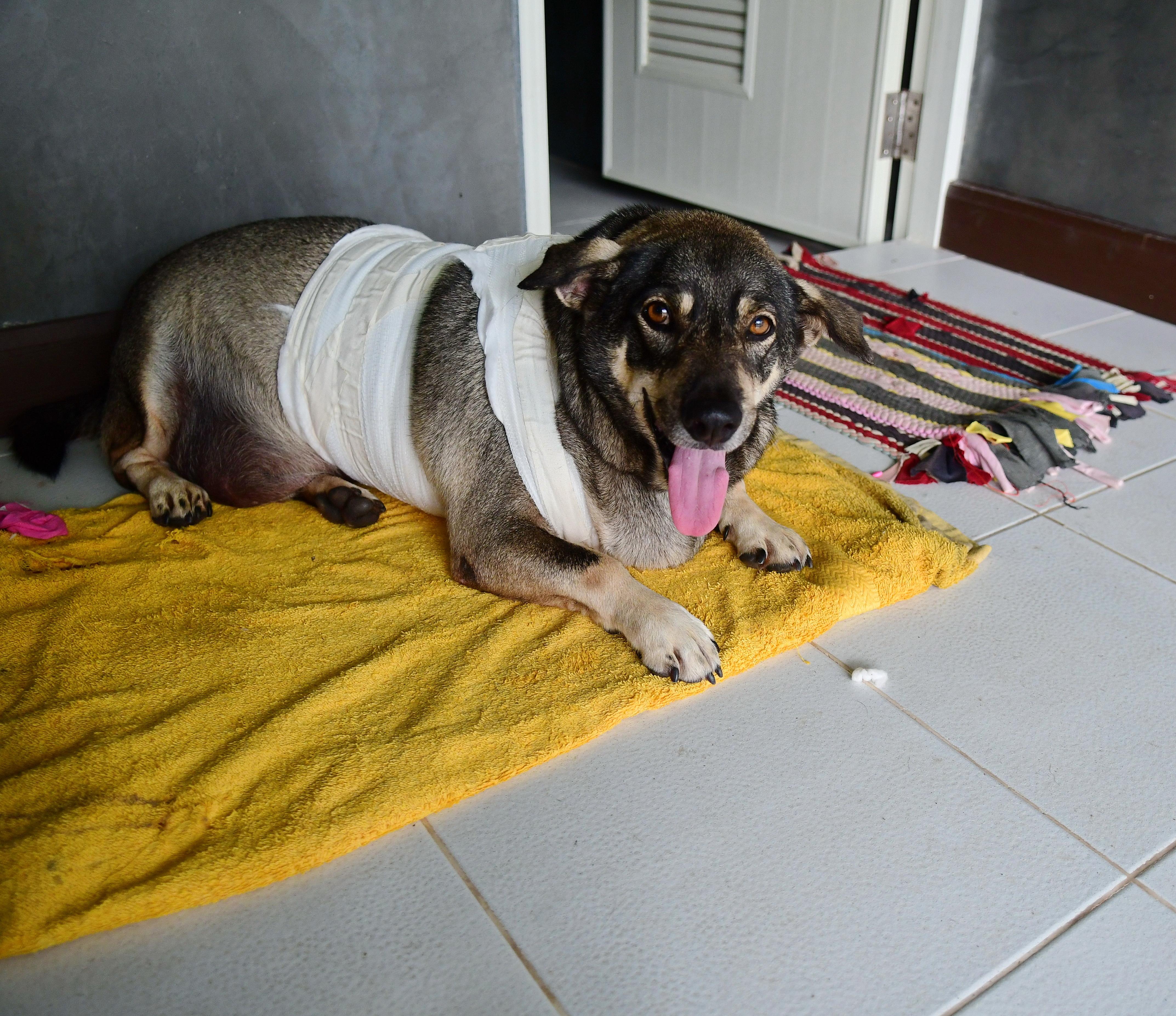
Ensuring your furry friend experiences minimal discomfort after surgery is paramount for their swift recovery. Pain management is crucial, and there are several strategies you can employ to make this process smoother. Firstly, consult with your veterinarian about the appropriate pain medications and dosages. Administer these medications as prescribed, and never adjust the dose without professional guidance. It’s also essential to watch for any side effects, such as lethargy or vomiting, and report them to your vet immediately.
In addition to medication, create a calm and comfortable environment for your dog. Here are a few tips to help you manage their pain and recovery:
- Ensure their bed is soft and accessible, reducing the need for jumping or climbing.
- Keep their living area quiet to prevent stress or anxiety.
- Use gentle, soothing words and touch to comfort them.
- Monitor their incision site for any signs of infection, such as redness or swelling.
- Limit their physical activity as per the vet’s instructions, gradually increasing it as they heal.
By staying attentive and responsive to your dog’s needs, you can help them navigate their post-surgery period with ease and ensure they return to their playful selves in no time.