
In recent years, the rise of plant-based diets has sparked considerable debate not only for humans but also for our four-legged companions. As more pet owners embrace veganism, the question arises: can dogs thrive on a vegan diet, or does it compromise their health? This article aims to guide you through the complexities of feeding your canine friend a plant-based diet, offering insights into the nutritional needs of dogs, potential benefits, and concerns associated with vegan diets. Whether you’re considering this lifestyle change for ethical, environmental, or health reasons, understanding the implications for your pet is crucial. Join us as we explore the delicate balance of providing a diet that aligns with your values while ensuring the well-being of your beloved dog.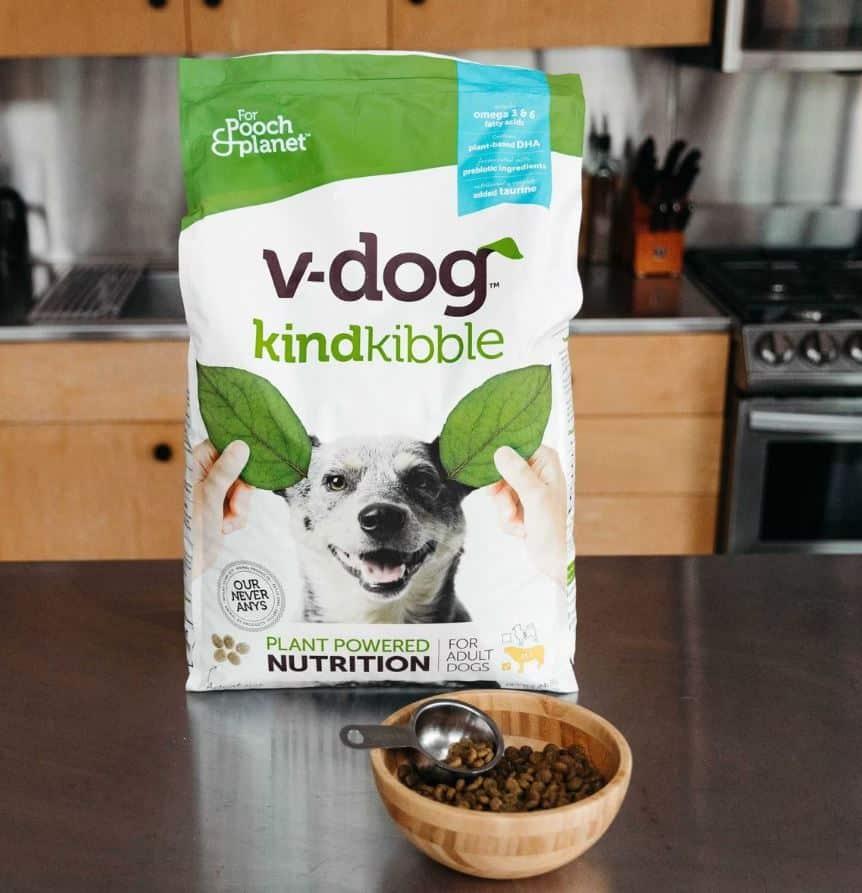
Understanding Canine Nutritional Needs
When exploring the potential of a vegan diet for our canine companions, it’s crucial to recognize the specific nutritional requirements they have. Dogs are omnivores, which means their diet can include both plant and animal sources. However, ensuring they receive all necessary nutrients from a plant-based diet requires careful planning. Key nutrients such as protein, calcium, vitamins B12 and D, and essential fatty acids must be adequately provided through carefully selected ingredients or supplements.
While some dogs thrive on vegan diets, it’s important to consider individual health needs and consult with a veterinarian before making any drastic changes. Here are some elements to focus on when crafting a balanced vegan diet for dogs:
- High-Quality Protein Sources: Utilize legumes, quinoa, and lentils to ensure sufficient protein intake.
- Omega-3 and Omega-6 Fatty Acids: Include flaxseed, chia seeds, and algae oil to support skin and coat health.
- Vitamin B12: Supplement with fortified foods or a B12 supplement to meet this critical need.
- Calcium and Vitamin D: Incorporate leafy greens and fortified plant-based milk to support bone health.
With the right approach, a vegan diet can be a viable option for some dogs, but it’s not universally suitable. Always monitor your dog’s health closely and make adjustments as needed.

Exploring Plant-Based Nutrients for Dogs
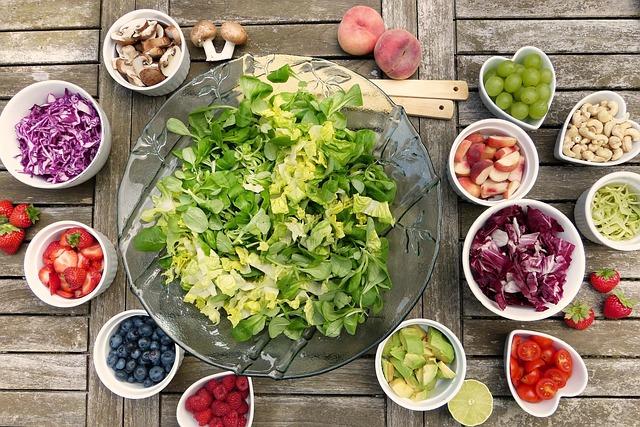
When considering a vegan diet for our furry friends, it’s essential to ensure they receive all the necessary nutrients typically found in meat. Dogs are omnivores, which means they can thrive on a plant-based diet, but it requires careful planning. Here are some key plant-based nutrients that can support a dog’s health:
- Protein: Lentils, chickpeas, and quinoa are excellent sources of protein that can help maintain muscle mass and support growth.
- Essential Fatty Acids: Flaxseeds and chia seeds provide omega-3 fatty acids crucial for skin health and cognitive function.
- Vitamins and Minerals: Nutritional yeast is rich in B vitamins, while spinach and kale offer iron and calcium to support strong bones and a healthy immune system.
Ensuring a balanced vegan diet for dogs involves combining these ingredients to meet their nutritional needs. Consulting with a veterinarian or a pet nutritionist can help tailor a diet plan that keeps your dog healthy and happy.
Balancing a Vegan Diet for Your Furry Friend
Ensuring your dog receives a well-balanced diet is crucial, especially when transitioning to a plant-based regimen. Dogs, while omnivorous, have specific nutritional needs that must be met to maintain optimal health. Protein, essential fatty acids, and vitamins are key components that require careful consideration. Here are some tips to help you navigate this dietary shift:
- Protein Sources: Incorporate high-quality plant proteins such as lentils, chickpeas, and quinoa. Commercially available vegan dog foods are often fortified with essential amino acids like taurine and L-carnitine.
- Essential Fatty Acids: Ensure your dog’s diet includes sources of omega-3 and omega-6 fatty acids. Flaxseed oil and algae-based supplements can be excellent options.
- Vitamins and Minerals: Pay attention to nutrients like vitamin B12, calcium, and iron. A balanced vegan dog food should contain these, but supplements might be necessary in some cases.
By being mindful of these nutritional elements, you can help your furry friend thrive on a vegan diet. Regular consultations with a veterinarian are recommended to tailor the diet to your dog’s specific health needs and to monitor their well-being over time.
Consulting Veterinarians for Personalized Advice
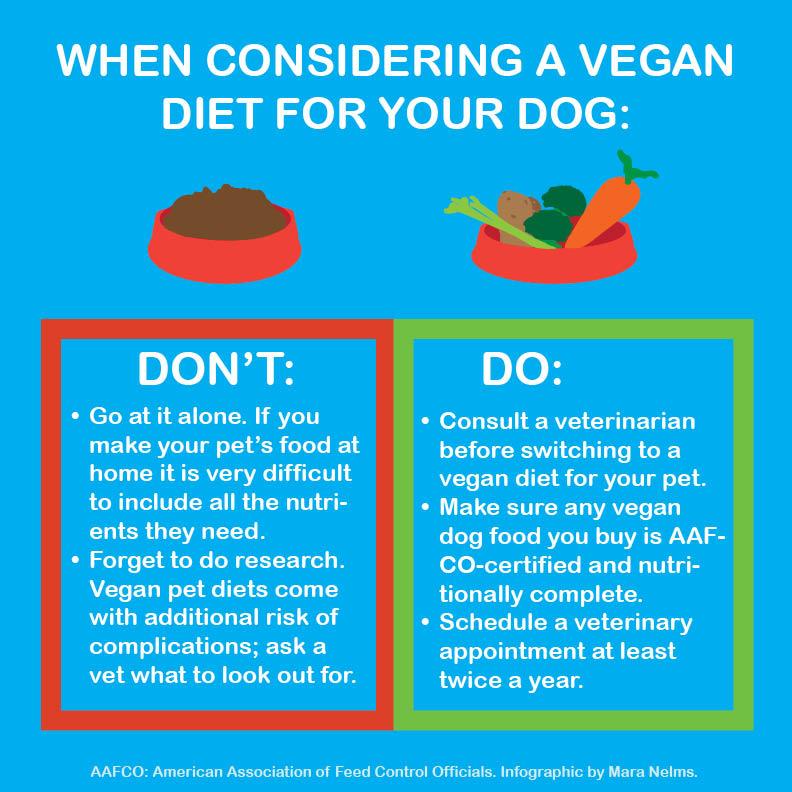
When considering a vegan diet for your dog, consulting a veterinarian is crucial to ensure the health and well-being of your furry friend. Veterinarians can provide personalized advice tailored to your dog’s specific needs, taking into account factors such as age, breed, activity level, and any pre-existing health conditions. By discussing your dog’s dietary changes with a professional, you can avoid potential nutritional deficiencies and ensure that all essential nutrients are adequately provided.
Here are some key aspects veterinarians might discuss with you:
- Protein Sources: Identifying suitable plant-based proteins that can meet your dog’s dietary requirements.
- Vitamin and Mineral Supplements: Ensuring that your dog receives all necessary nutrients, such as Vitamin B12 and calcium, which are typically abundant in meat-based diets.
- Digestibility and Palatability: Evaluating whether your dog can comfortably digest and enjoy the vegan diet.
- Monitoring and Adjustments: Setting up regular check-ups to monitor your dog’s health and make dietary adjustments as needed.
By working closely with a veterinarian, you can make informed decisions that prioritize your dog’s health while exploring a vegan lifestyle.