
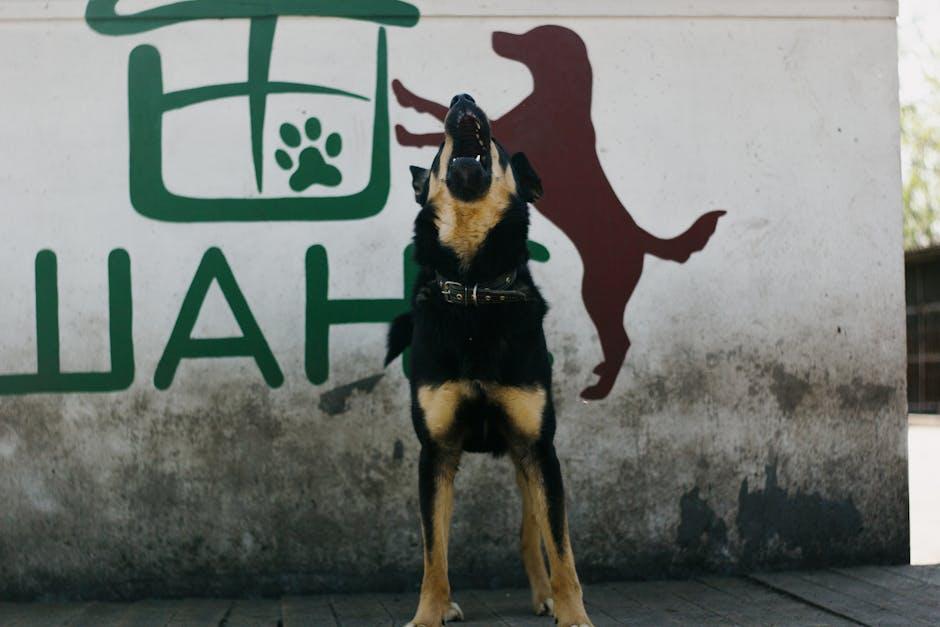
As a dog owner, you cherish the joyful moments and boundless affection that your furry friend brings into your life. However, when loud noises like thunderstorms or fireworks erupt, these moments can quickly turn into stressful episodes for your beloved pet. The sudden, unpredictable nature of these sounds can trigger anxiety and fear, leaving your dog distressed and you feeling helpless. But take heart—there are effective, compassionate ways to help your dog become more comfortable with these unsettling noises. In this article, we’ll explore practical techniques and strategies to gently desensitize your dog to loud sounds, ensuring that both you and your pet can enjoy a more peaceful, stress-free environment. Whether it’s the Fourth of July or a summer storm, you’ll be equipped to support your dog with warmth and patience, strengthening the bond you share.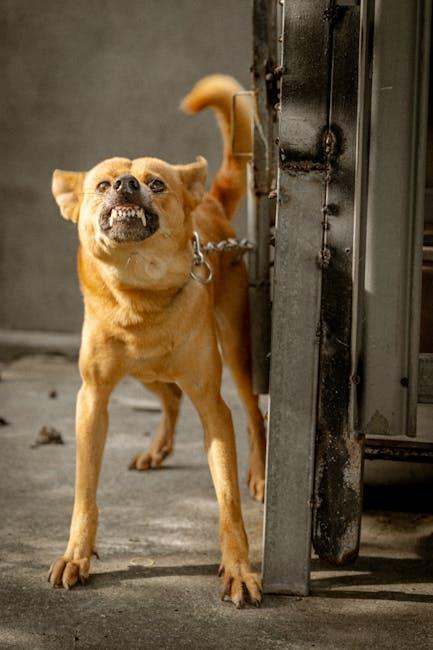
Understanding Your Dogs Fear of Loud Noises
Many dogs experience anxiety when exposed to loud noises, such as thunderstorms or fireworks. This reaction is often due to their heightened senses and natural instincts. To help your furry friend become more comfortable with these sounds, it’s important to gradually desensitize them in a safe and controlled environment.
Start by identifying the specific noises that trigger your dog’s fear. You can use recordings of these sounds at a low volume to begin the desensitization process. Here are some steps you can follow:
- Create a Calm Environment: Choose a quiet room where your dog feels secure.
- Play the Sound: Start at a very low volume, ensuring it’s barely noticeable.
- Monitor Your Dog’s Reaction: If they remain calm, offer a treat or positive reinforcement.
- Gradually Increase Volume: Over several sessions, slowly raise the volume, always observing your dog’s comfort level.
- Pair with Positive Experiences: Engage in play or training while the sound is playing, helping your dog associate the noise with positive outcomes.
Remember, patience is key. Every dog is unique, and what works for one might not work for another. With consistent practice and lots of love, your dog can learn to feel more at ease around loud noises.
Creating a Safe and Comforting Environment
To ensure your furry friend feels secure during noisy events, start by establishing a designated safe space within your home. This could be a cozy corner or a small room where your dog already feels comfortable. Enhance this area with soft bedding, favorite toys, and perhaps an item of your clothing to provide a familiar scent. Consider adding a white noise machine or playing calming music to mask sudden loud sounds.
- Lighting: Dim the lights or use blackout curtains to create a soothing atmosphere.
- Aromatherapy: Utilize pet-safe essential oils like lavender to promote relaxation.
- Crate Training: If your dog is crate-trained, ensure the crate is accessible as a retreat.
During desensitization sessions, practice positive reinforcement. Reward your dog with treats and praise when they remain calm amidst mild noise exposures. Gradually increase the volume over time, ensuring the noise levels never reach a point of distress. This approach helps build resilience and associates loud sounds with positive experiences, reinforcing a sense of security.
Gradual Exposure Techniques for Noise Desensitization
To help your furry friend gradually acclimate to loud noises, start by introducing them to softer versions of the sounds that typically trigger anxiety. You can use recordings of fireworks or thunderstorms, playing them at a low volume that doesn’t disturb your dog. As your pet becomes more comfortable, slowly increase the volume over several sessions. It’s important to keep each session short and positive, ensuring your dog remains relaxed throughout the process. Pair these sessions with treats or favorite toys to create positive associations with the sounds.
- Start with very low volume and gradually increase.
- Keep sessions short and enjoyable.
- Incorporate treats and toys for positive reinforcement.
- Remain calm and composed to set a reassuring example.
Patience is key. Consistency and repetition will build your dog’s tolerance over time, helping them to stay calm even during the loudest of celebrations.
Using Positive Reinforcement to Build Confidence
One effective way to help your dog feel more at ease with loud noises and fireworks is through the strategic use of positive reinforcement. This approach not only helps desensitize them but also builds their confidence. Start by identifying your dog’s favorite treats or toys—these will be your tools for positive reinforcement. When you play recordings of fireworks or other loud noises at a low volume, reward your dog with treats, praise, or playtime whenever they remain calm. Gradually increase the volume over time, ensuring that your dog stays relaxed at each level before moving to the next.
- Consistency is key: Practice these sessions regularly, but keep them short to avoid overwhelming your dog.
- Patience pays off: Progress might be slow, but each small victory helps build your dog’s confidence.
- Celebrate successes: Lavish your dog with praise and treats for calm behavior, reinforcing the idea that loud noises can lead to positive experiences.
By pairing the sounds with positive outcomes, your dog will begin to associate them with good things rather than fear, gradually reducing anxiety and boosting their confidence.