
As the leaves turn golden and a crisp breeze fills the air, many outdoor enthusiasts eagerly anticipate the start of hunting season. While this time of year offers opportunities for adventure and camaraderie in the great outdoors, it also presents unique challenges for dog owners. Ensuring the safety of your beloved canine companion during hunting season requires thoughtful preparation and awareness. In this article, we will explore practical tips and strategies to protect your dog, allowing you both to enjoy the season with peace of mind. Whether you’re a seasoned hunter or simply live in an area where hunting is common, our warm and instructive guide will help you navigate the season with confidence, ensuring your furry friend remains safe and secure.
Understanding the Risks: Identifying Potential Dangers for Your Canine Companion
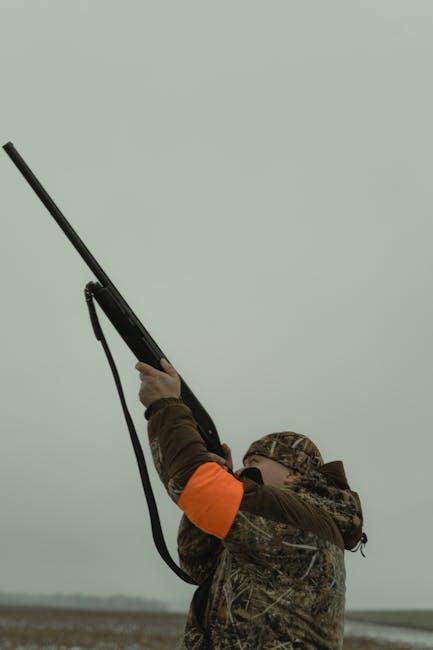
During hunting seasons, the wilderness transforms into a hub of activity, which can pose various risks to your beloved furry friend. Understanding these potential dangers is crucial to ensuring their safety. One primary concern is the presence of hunters and their weapons. Dogs can be mistaken for game, especially if they resemble local wildlife. To mitigate this risk, consider outfitting your dog with bright, reflective vests or collars that make them highly visible. This not only alerts hunters to their presence but also helps you keep track of them in dense underbrush.
Another concern is the use of traps and snares, which can be set in areas frequented by wildlife. These devices pose a significant risk to curious canines. To protect your dog, keep them on a leash or within a fenced area during peak hunting times. Additionally, familiarize yourself with the local hunting regulations and seasons to plan your outdoor activities accordingly. Stay informed about any reported hunting activities in your area through local bulletins or community boards. By taking these precautions, you can help ensure a safe and enjoyable experience for both you and your canine companion during hunting seasons.
Choosing the Right Gear: Essential Protective Equipment for Dogs
Ensuring your furry companion’s safety during hunting seasons requires thoughtful consideration of their protective gear. Dogs, like hunters, need the right equipment to navigate the wilderness safely. Visibility is paramount; opt for high-visibility vests or collars that are brightly colored and reflective. This makes your dog easily seen by hunters, especially in dense woods or during low-light conditions.
- High-Visibility Vests: Choose vests in neon colors with reflective strips.
- Protective Boots: Safeguard paws from rough terrains and cold weather.
- Ear Protection: Consider earmuffs to shield against loud noises.
- GPS Tracking Collars: Essential for keeping track of your dog’s location.
In addition to visibility, paw protection is crucial. Invest in durable boots to shield your dog’s paws from sharp objects and cold, uneven surfaces. These boots can prevent injuries and keep your dog comfortable during long treks. Additionally, consider using GPS tracking collars to monitor your dog’s whereabouts, providing an extra layer of security and peace of mind.
Training Tips: Ensuring Your Dog Responds Safely in the Field
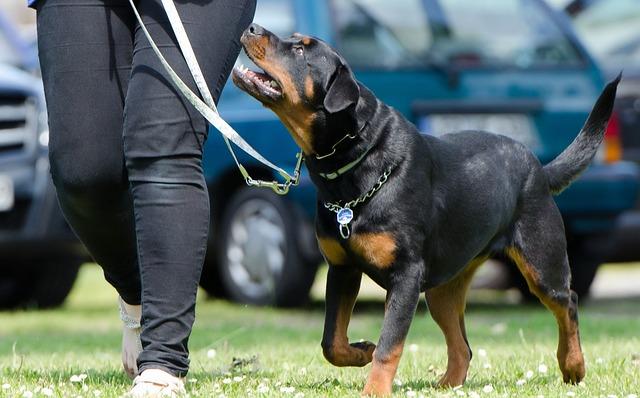
To ensure your furry companion remains safe and responsive in the field, it’s crucial to focus on consistent and positive training. Start with basic commands like “sit,” “stay,” and “come,” and gradually introduce more complex commands tailored for hunting scenarios. Reinforce these commands regularly to build a strong, reliable response. Utilize positive reinforcement techniques such as treats, praise, or playtime to encourage your dog and make training a fun experience.
When in the field, ensure your dog is familiar with the environment. Acclimate them to various sounds, scents, and sights they might encounter. Use a whistle or clicker to grab their attention quickly, even amidst distractions. It’s also wise to equip your dog with a GPS collar for easy tracking, should they wander too far. Remember, patience and consistency are key in building a safe and effective communication channel with your canine partner.
Creating a Safe Environment: Strategies to Minimize Hazards During Hunts
Ensuring your furry friend stays safe during hunting trips requires careful planning and attention to detail. Start by outfitting your dog with a brightly colored vest or collar. This not only makes them easily visible to you but also to other hunters in the area. Visibility is crucial in preventing accidental harm. Additionally, consider attaching a small bell to their collar to alert nearby wildlife and hunters of your dog’s presence.
- Choose Appropriate Gear: Invest in protective gear like booties to guard against rough terrain and a GPS tracker to monitor their location.
- Training: Prioritize obedience training. Commands like “stay” and “come” can be life-saving in unpredictable environments.
- First Aid Kit: Carry a basic first aid kit tailored for dogs. Include items such as bandages, antiseptic wipes, and tweezers for removing ticks or thorns.
- Hydration and Nutrition: Keep your dog well-hydrated and ensure they have access to snacks to maintain energy levels during long hunts.
always be aware of your surroundings and keep an eye on your dog’s behavior. If they seem anxious or distressed, it might be time to take a break or end the hunt early. By implementing these strategies, you can create a safer hunting experience for both you and your loyal companion.