
Welcoming a dog into your home brings endless joy and companionship, but it also comes with its fair share of challenges. One common issue many pet owners face is their furry friend’s tendency to chew on household items, particularly wires. Not only can this behavior lead to costly damage, but it also poses significant safety risks for your pet. Understanding why dogs chew and learning effective strategies to redirect this behavior can make a world of difference. In this guide, we’ll explore practical, compassionate approaches to prevent your dog from turning your home’s wiring into their personal chew toy, ensuring a safe and happy environment for everyone.
Understanding Why Dogs Chew on Wires
Dogs are naturally curious creatures, and their tendency to chew on objects is often driven by a variety of factors. Understanding these can help you address the root cause of the behavior. One common reason is teething in puppies, which causes discomfort that chewing can alleviate. Older dogs may chew out of boredom, anxiety, or simply because they enjoy the texture and taste of certain materials, like rubber or plastic.
- Boredom: A lack of mental and physical stimulation can lead dogs to seek out entertainment by exploring their environment with their mouths.
- Anxiety: Dogs experiencing stress or separation anxiety may chew as a coping mechanism.
- Instinct: Chewing is a natural instinct that helps keep their teeth clean and jaws strong.
Recognizing these underlying causes can help you implement more effective strategies to protect your furry friend and your home from the hazards of wire-chewing.

Creating a Safe Environment for Your Curious Pup
Our homes are filled with potential hazards for our furry friends, especially when it comes to electrical wires. To keep your pup safe and your electronics intact, consider implementing some of these strategies. Secure loose wires by bundling them together with cable ties or protective covers. Not only does this prevent your dog from easily grabbing a single wire, but it also keeps your home looking tidy. Use furniture to block access to outlets and cords, creating a natural barrier between your dog and the wires. You might also want to invest in cord organizers or conduits that can be affixed to walls or baseboards.
Another effective method is to apply pet-safe deterrent sprays on the wires. These sprays have a bitter taste that discourages chewing. For a more proactive approach, provide plenty of chew toys and engage your dog with interactive play to satisfy their need to chew in a safe manner. consider some basic training to teach your pup the “leave it” command, which can be invaluable in preventing them from exploring dangerous items around the house. With these measures in place, you can create a secure environment that caters to your dog’s curiosity while safeguarding them from potential dangers.
Engaging Your Dog with Chew-Friendly Alternatives
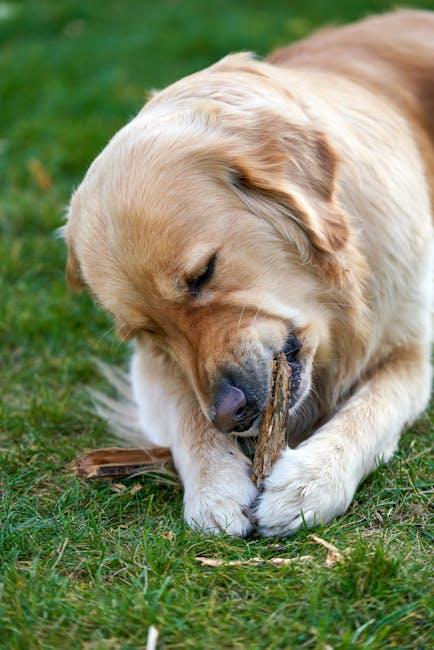
Dogs have an innate desire to chew, which can often lead them to gnaw on inappropriate items like wires. To divert their attention, consider introducing chew-friendly alternatives that are both safe and stimulating. Opt for toys made from durable materials such as rubber or nylon that can withstand vigorous chewing. You might also explore toys with varying textures to keep your pup intrigued and engaged.
- Interactive Toys: Toys that dispense treats or have hidden compartments can keep your dog occupied and mentally stimulated.
- Natural Chews: Offer natural options like antlers or bully sticks, which can satisfy their chewing instincts while promoting dental health.
- Rotating Selection: Regularly switch out toys to maintain your dog’s interest and prevent boredom.
By providing a variety of these enticing alternatives, you can help prevent your furry friend from turning to wires as a chew target, while ensuring they remain happily engaged and entertained.

Training Techniques to Discourage Wire Chewing
When it comes to curbing your dog’s curiosity for electrical cords, a multi-faceted approach can be most effective. Begin by redirecting their attention with enticing toys that cater to their chewing instincts. Opt for durable rubber toys or chewable treats that can provide hours of distraction. Interactive play sessions can also help burn off excess energy, reducing the likelihood of destructive behaviors when left alone. It’s crucial to keep your furry friend’s environment enriched and engaging to minimize their interest in hazardous items like wires.
Implementing some basic training techniques can further discourage unwanted chewing. Use positive reinforcement by rewarding your dog with treats or affection when they choose toys over cords. Consistency is key, so ensure everyone in the household follows the same approach. For a more hands-on solution, consider applying a pet-safe bitter spray to wires, making them unappealing to taste. Additionally, arranging wires neatly and using cord organizers can keep them out of sight and out of mind. These strategies not only safeguard your home but also nurture a safer, happier environment for your beloved pet.