
Welcoming a new furry friend into your life is a joyous occasion filled with wagging tails, playful barks, and endless cuddles. As a responsible pet parent, one of the most important steps in ensuring your puppy’s health and happiness is their first visit to the veterinarian. This guide is designed to help you navigate this crucial milestone with confidence and ease. From understanding what to expect during the appointment to tips on how to prepare your pup for their big day, we’ll walk you through each step of the process. With a warm heart and informed mind, you’ll be well-equipped to make your dog’s first vet visit a positive experience, setting the foundation for a lifetime of wellness and care.
Preparing for the Big Day What to Bring and Expect
To ensure your furry friend’s first visit to the vet is as smooth as possible, it’s important to come prepared. Here’s a handy checklist of what to bring:
- Medical Records: If you’ve adopted your dog, bring any available medical history, including vaccination records.
- Favorite Toy or Blanket: A familiar item can help comfort your pup and make the experience less daunting.
- Leash and Collar: Keep your dog secure and safe while in the waiting area.
- Treats: Rewarding good behavior can make the visit more positive for your dog.
- List of Questions: Write down any concerns or questions you have about your pet’s health to discuss with the vet.
Expect the unexpected during your visit, as every dog reacts differently. Your vet will likely conduct a thorough physical examination, checking everything from your pup’s eyes and ears to their paws and tail. This is a great opportunity to establish a relationship with your vet, ask questions, and discuss any preventative care measures. Remember, this is just the beginning of a long, healthy journey for your pet, so take a deep breath, stay calm, and trust the professionals to guide you both through this new experience.
Understanding Your Dogs Health Basics Key Questions to Ask the Vet
When embarking on your dog’s first vet visit, it’s essential to be equipped with the right questions to ensure their health is on the right track. Understanding the basics of your dog’s health can be overwhelming, but knowing what to ask can make all the difference. Here are some key questions to consider:
- Vaccination Schedule: What vaccines does my dog need, and when should they be administered?
- Dietary Needs: What type of diet is best for my dog’s breed and age?
- Parasite Prevention: What are the recommended treatments for fleas, ticks, and worms?
- Behavioral Concerns: Are there any specific behavioral issues common in my dog’s breed that I should be aware of?
- Dental Care: How can I maintain my dog’s oral health effectively?
These inquiries not only provide you with a roadmap for your dog’s health but also foster a collaborative relationship with your veterinarian. Remember, every dog is unique, and what works for one might not work for another. Stay informed, stay curious, and don’t hesitate to ask for clarity on any health concerns you might have.
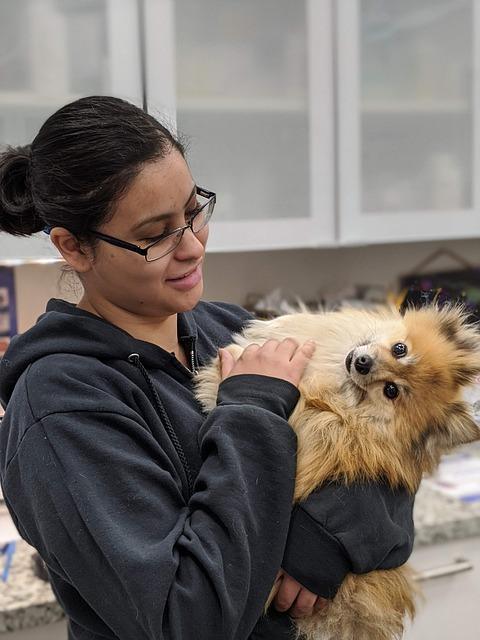
Creating a Stress-Free Experience Tips for Keeping Your Dog Calm
When preparing for your pup’s first vet visit, a few simple strategies can help ensure a calm and positive experience. Start by familiarizing your dog with the car, as the journey itself can be a source of stress. Take short, pleasant drives to places they enjoy, gradually extending the duration as they become more comfortable. Once your dog associates the car with fun outings, the trip to the vet will seem less daunting.
- Bring Comfort Items: Pack their favorite toy or blanket to provide a sense of security and familiarity.
- Practice Handling: Regularly handle their paws, ears, and mouth at home to mimic the vet’s examination, rewarding them with treats and praise for staying calm.
- Schedule Wisely: Choose a time when your dog is naturally relaxed, avoiding busy periods at the clinic.
- Stay Calm: Your dog can sense your emotions, so maintain a calm and positive demeanor to reassure them.
By implementing these tips, you can help transform what might be a stressful event into a routine part of their life, strengthening your bond and ensuring their well-being.

Building a Lifelong Partnership How to Foster a Positive Vet Relationship
Developing a strong bond with your veterinarian is key to ensuring your dog’s health and happiness. Begin by selecting a vet who not only demonstrates expertise but also shows genuine care and compassion for your furry friend. Communication is crucial; don’t hesitate to ask questions or express concerns. Regular visits should be a collaborative experience, where both you and the vet work together towards the well-being of your pet.
- Schedule regular check-ups to keep your pet’s health in check and to build familiarity.
- Be open and honest about your dog’s behavior and any changes you’ve noticed.
- Follow the vet’s advice on vaccinations, diet, and exercise, and provide feedback during subsequent visits.
By fostering a relationship built on trust and mutual respect, you ensure that your dog receives the best possible care throughout their life. Remember, a good vet is not just a service provider but a partner in your pet’s health journey.