
Welcoming a dog into your family brings immense joy and a whole lot of wagging tails. As responsible pet owners, we strive to provide the best care for our furry companions, and a key part of that is ensuring they have a balanced and nutritious diet. While commercial dog foods are formulated to meet their dietary needs, many pet owners wonder about supplementing their pets’ meals with fresh fruits and vegetables. Sharing a slice of apple or a carrot stick can be a delightful bonding moment, but it’s crucial to know which produce is safe for your dog to consume. In this guide, we will explore the various fruits and vegetables that can enhance your dog’s diet, ensuring they enjoy a tasty treat while staying healthy and happy. Let’s dive into the colorful world of dog-friendly produce and discover how to safely incorporate these nutritious additions into your pet’s meals.
Safe Fruits and Vegetables Your Dog Will Love
Adding a variety of fruits and vegetables to your dog’s diet can provide essential nutrients and a tasty change of pace. Here are some options that are not only safe but also beneficial for your furry friend:
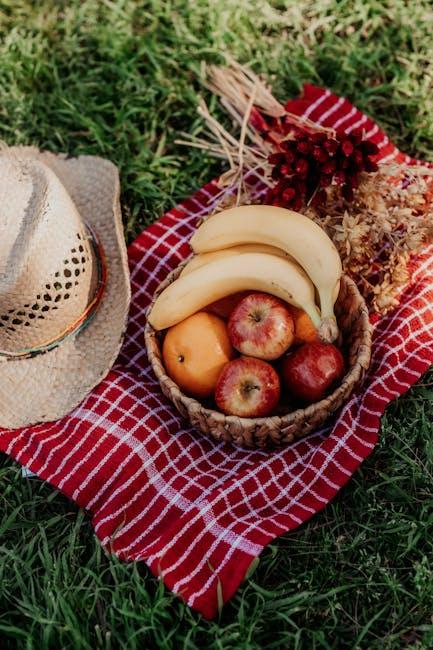
- Apples: These are a great source of vitamins A and C. Just be sure to remove the seeds and core before offering them to your dog.
- Carrots: Low in calories and high in fiber, carrots can be a crunchy treat that helps keep your dog’s teeth clean.
- Blueberries: Packed with antioxidants, these tiny berries can boost your dog’s immune system and overall health.
- Sweet Potatoes: A rich source of dietary fiber and vitamins B6, C, and A, sweet potatoes can be served cooked and mashed.
- Green Beans: These are full of vitamins and minerals and can be given raw or cooked for a satisfying crunch.
Incorporating these fruits and vegetables into your dog’s meals or using them as treats can be a delightful way to enhance their diet. Always introduce new foods gradually and in moderation to ensure they suit your dog’s palate and digestive system.
Understanding Nutritional Benefits for Your Furry Friend
Introducing a variety of fruits and vegetables into your dog’s diet can be both rewarding and nutritious. These natural treats are not only packed with vitamins and minerals but also offer a delicious change from their regular kibble. Here are some dog-friendly fruits and vegetables you can safely share with your canine companion:
- Carrots: A great low-calorie snack, carrots are high in fiber and beta-carotene, which produces vitamin A.
- Blueberries: These tiny powerhouses are rich in antioxidants and can improve your dog’s health by supporting brain function and fighting inflammation.
- Sweet Potatoes: Packed with vitamins and minerals, sweet potatoes are a fantastic source of dietary fiber, promoting a healthy digestive system.
- Apples: Remove the seeds and core, and apples provide a crunchy treat filled with vitamin A and C, as well as fiber.
- Spinach: Though best in moderation, spinach is rich in iron and can boost your dog’s immune system.
While these fruits and vegetables can enhance your dog’s diet, it’s important to introduce them slowly and in moderation. Always consult with your veterinarian before making significant changes to your furry friend’s diet to ensure their unique nutritional needs are met.

Fruits and Vegetables to Avoid for Dog Safety
While many fruits and vegetables can be a delightful and healthy treat for your furry friend, there are some that should be avoided to ensure their safety. Certain produce can cause adverse reactions in dogs, ranging from mild digestive upset to severe toxicity. To keep your pup healthy and happy, steer clear of the following:
- Grapes and Raisins: Even in small amounts, these can lead to kidney failure in dogs.
- Onions and Garlic: Both raw and cooked forms can damage a dog’s red blood cells, potentially leading to anemia.
- Cherries: The pits contain cyanide, which is toxic to dogs, and can also cause intestinal blockages.
- Avocado: Contains persin, which can cause vomiting and diarrhea in dogs.
- Mushrooms: While some are safe, many wild mushrooms are toxic, leading to serious health issues.
By avoiding these potentially harmful foods, you can ensure that snack time is both safe and enjoyable for your canine companion.
Creative Ways to Incorporate Produce into Your Dogs Diet
Adding a splash of color and nutrition to your dog’s meals can be a fun and rewarding way to enhance their diet. Try blending pumpkin puree into their kibble for a fiber-rich treat that supports digestive health. For a refreshing twist, freeze blueberries in an ice cube tray and use them as training rewards or a cool snack on a warm day. Your pup will love the burst of flavor, and you’ll appreciate the antioxidants they provide.
- Carrots: Grate them into your dog’s bowl or serve them as crunchy snacks to aid dental health.
- Spinach: Lightly steam and mix it into meals for a boost of iron and vitamins.
- Apples: Remove the seeds and core, then chop them into bite-sized pieces for a sweet, fiber-filled treat.
Incorporating these wholesome ingredients into your dog’s diet not only enriches their palate but also ensures they get a variety of nutrients. Always introduce new foods gradually and monitor for any adverse reactions. Happy experimenting!