
When it comes to grooming our beloved canine companions, ensuring their comfort and safety is a top priority for every pet owner. The grooming process, while essential for maintaining a dog’s health and hygiene, can sometimes be a source of stress or anxiety for both dogs and their owners. This brings us to a common yet often debated question: should dogs be muzzled during grooming? In this article, we’ll explore the various factors that can influence this decision, offering insights into when muzzling might be appropriate and how to make the grooming experience as positive as possible for your furry friend. Whether you’re a seasoned pet parent or new to the world of dog care, understanding the role of muzzles in grooming can help you make informed choices that prioritize your dog’s well-being while fostering a trusting and loving relationship.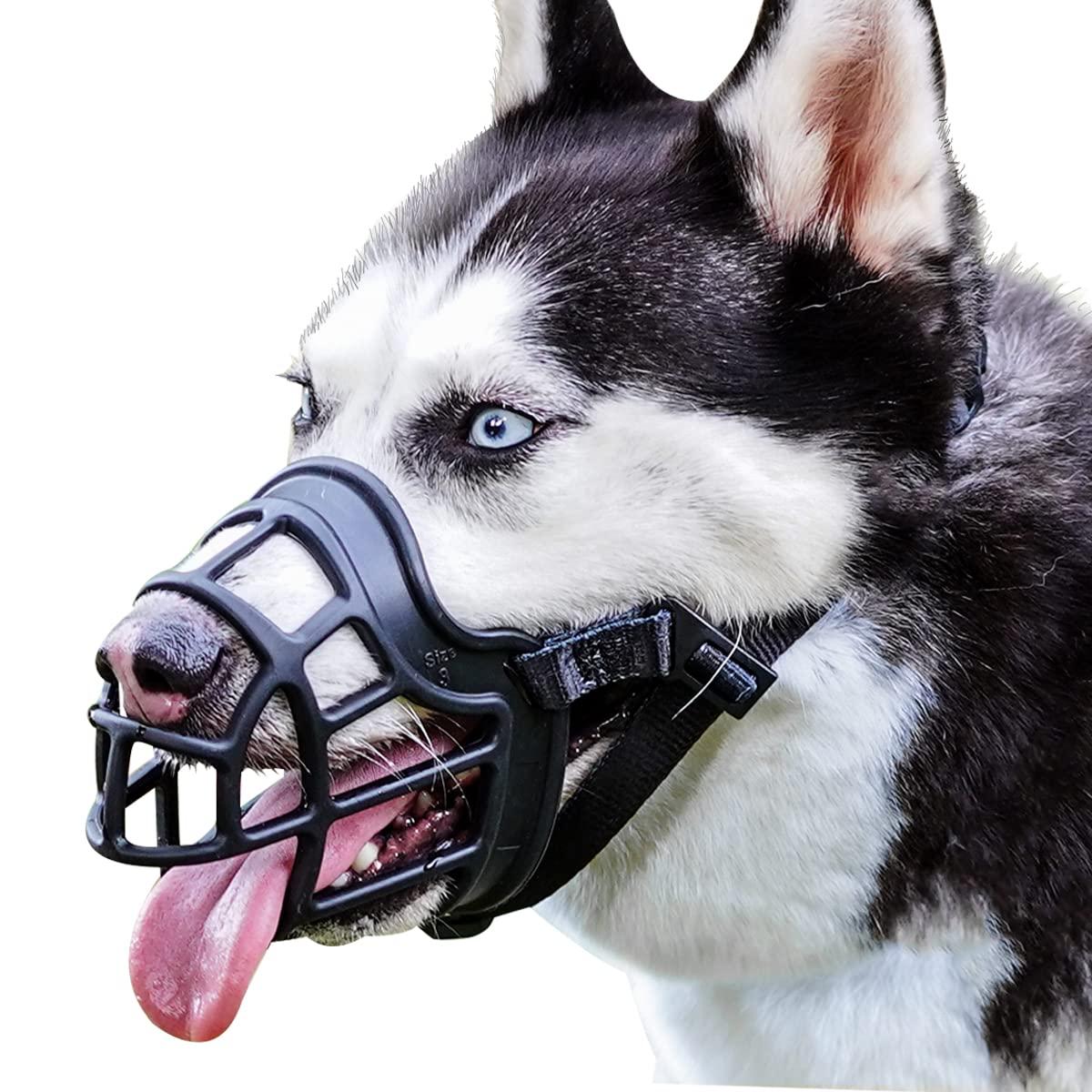
Understanding the Purpose of Muzzling: Safety for All
When it comes to dog grooming, the safety of both the pet and the groomer is paramount. Muzzling can be a misunderstood practice, often seen as a harsh measure. However, its primary role is to ensure a calm and secure environment. For some dogs, the grooming process can be stressful, and even the gentlest pets might react unpredictably when anxious. In such situations, muzzles serve as a precautionary tool, not as a punishment. They help prevent potential bites, allowing groomers to focus on delivering quality care without the fear of sudden reactions.
- Protective Measure: Muzzles protect both the dog and the groomer, minimizing stress and potential harm.
- Temporary Solution: Used only during the grooming session, it provides a sense of security.
- Training Aid: For some dogs, it can be a step towards better behavior and adaptation to grooming routines.
Ultimately, the use of a muzzle should be seen as a supportive tool, promoting a safer and more relaxed experience for everyone involved. It allows the groomer to perform their duties efficiently, ensuring that your furry friend leaves the session looking and feeling their best.
Recognizing the Dogs Comfort and Stress Levels
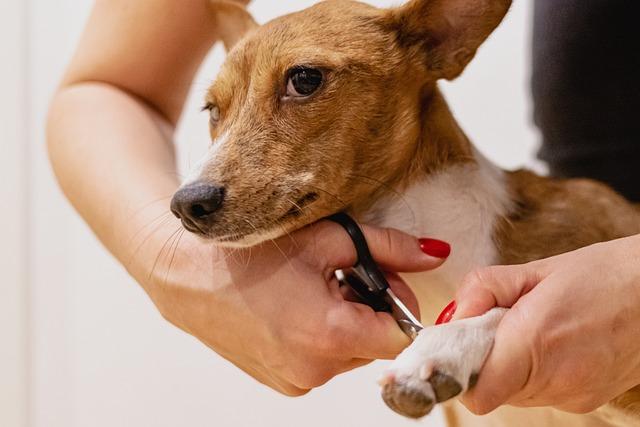
Understanding your dog’s comfort and stress levels is crucial during grooming sessions. Dogs, much like humans, communicate their feelings through various cues. Observing these signs can help determine whether your furry friend is feeling at ease or under stress. Comfortable dogs often display relaxed body language, such as a wagging tail, soft eyes, and a loose stance. They may also engage in playful behavior, showing interest in their surroundings or enjoying gentle interactions with their groomer.
- Relaxed posture: Look for a calm demeanor and relaxed muscles.
- Tail position: A wagging or softly held tail indicates contentment.
- Ear placement: Ears in a natural position, not pinned back, suggest ease.
Conversely, a stressed dog might exhibit signs of discomfort, such as panting, yawning, or licking lips excessively. Other indicators include avoiding eye contact, tucking the tail between the legs, or trying to escape the situation. Recognizing these signals early can help you take steps to ease their anxiety, ensuring a more positive grooming experience.
- Panting or drooling: Excessive panting can be a sign of stress.
- Yawning or lip licking: These can be self-soothing behaviors.
- Avoidance behavior: Turning away or trying to hide shows discomfort.
By tuning into these subtle cues, you can better understand your dog’s emotional state, allowing you to make informed decisions about whether a muzzle is necessary during grooming.
Alternatives to Muzzling: Building Trust and Cooperation
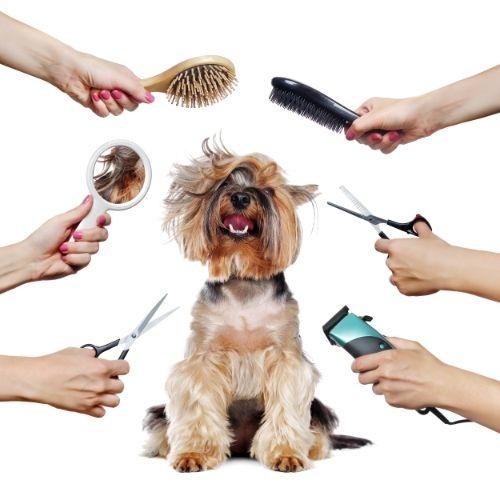
Instead of resorting to muzzling, fostering a sense of trust and cooperation with your furry friend can make grooming a more enjoyable experience for both parties. Positive reinforcement is a powerful tool; rewarding your dog with treats, praise, or affection for calm behavior during grooming sessions can help build positive associations. It’s also beneficial to gradually introduce your dog to grooming tools and routines, allowing them to explore and become familiar with the process at their own pace.
- Desensitization: Start by gently handling your dog’s paws, ears, and fur regularly, even outside of grooming sessions, to make them comfortable with being touched.
- Short Sessions: Keep grooming sessions short initially, gradually increasing the duration as your dog becomes more accustomed.
- Use Calming Aids: Consider using natural calming aids like lavender oil diffusers or soothing music to create a relaxing environment.
Engaging your dog in regular training exercises and play can also strengthen your bond, making them more likely to trust you during grooming. By adopting these strategies, not only do you ensure a stress-free grooming experience, but you also contribute to a more harmonious relationship with your pet.
Practical Tips for a Positive Grooming Experience
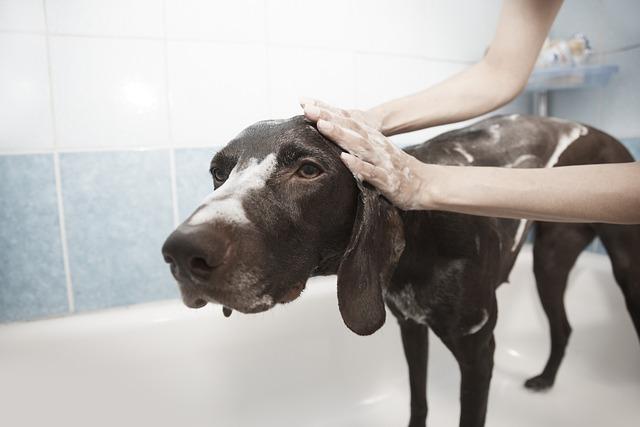
Creating a stress-free grooming environment is essential for both you and your furry friend. Consider familiarizing your dog with grooming tools before the actual session. Allow your pet to sniff and explore the tools, associating them with positive experiences through treats or praise. Gradual exposure can help in reducing anxiety and make the grooming process smoother.
- Create a Calm Atmosphere: Play soothing music and ensure the grooming area is free from distractions.
- Use Positive Reinforcement: Reward your dog with treats and affection for calm behavior during grooming.
- Breaks are Important: If your pet shows signs of stress, take short breaks to allow them to relax.
- Know When to Seek Professional Help: If grooming becomes too challenging, consider consulting a professional groomer or behaviorist.
Remember, patience and understanding go a long way in ensuring a positive grooming experience for your dog. Each session can be an opportunity to strengthen your bond with your pet, making grooming a routine they can look forward to.