
Every dog owner cherishes the joyful wag of a tail and the comforting presence of a loyal companion. Our furry friends bring boundless love and happiness into our lives, and in return, they rely on us for their health and well-being. While providing a nutritious diet and ample exercise are fundamental, regular veterinary visits play a crucial role in ensuring your dog’s longevity and quality of life. In this article, we’ll explore why these check-ups are essential, how they contribute to early detection of potential health issues, and how they foster a deeper bond between you and your beloved pet. Join us as we delve into the world of veterinary care and discover how these visits can lead to a healthier, happier life for your dog.
Prioritize Your Pups Health with Routine Check-Ups
Ensuring your furry friend remains in the best of health involves more than just love and playtime. Regular vet visits are a cornerstone of maintaining your dog’s well-being. These check-ups allow for early detection of potential health issues, ensuring they are addressed before becoming serious problems. Preventive care is crucial, as it can significantly reduce the risk of diseases and increase your pet’s lifespan. During these visits, your veterinarian will perform a thorough examination, checking for signs of illness and administering necessary vaccinations.
- Dental Health: Routine vet visits often include dental checks, which are vital for preventing oral diseases that can affect your dog’s overall health.
- Weight Management: Your vet will help monitor your dog’s weight, providing guidance on diet and exercise to prevent obesity-related issues.
- Parasite Prevention: Regular screenings for parasites like fleas, ticks, and worms ensure your pup remains free from these pesky invaders.
- Behavioral Assessment: Veterinarians can also address any behavioral changes, offering advice or solutions to improve your dog’s quality of life.
By committing to routine veterinary care, you’re taking proactive steps to safeguard your dog’s health and happiness. Remember, these visits are not just about addressing illnesses but also about nurturing a long, joyful life for your beloved companion.

Understanding Common Canine Health Issues Through Vet Visits
Regular vet visits play a crucial role in keeping our furry companions healthy and happy. Through these visits, veterinarians can help identify and manage a variety of common canine health issues early on, ensuring that our dogs receive the best care possible. Preventive care is a cornerstone of veterinary medicine, and by adhering to a schedule of regular check-ups, we can catch potential problems before they become serious. Some of the most common health issues that vets monitor during these visits include:
- Dental disease: Often overlooked, dental health is critical for a dog’s overall well-being. Vets can spot signs of dental disease and recommend appropriate treatments or cleaning routines.
- Obesity: Regular weight checks help in managing a dog’s diet and exercise regime, reducing the risk of obesity-related complications such as diabetes and joint problems.
- Parasites: Fleas, ticks, and worms are common in dogs, and routine vet visits ensure timely detection and treatment to prevent discomfort and illness.
- Ear infections: Especially prevalent in certain breeds, ear infections can be quickly diagnosed and treated by a vet, avoiding long-term issues.
By understanding these common health issues through vet visits, dog owners can take proactive steps to enhance their pet’s quality of life. These appointments are not just about vaccinations; they are comprehensive health assessments that pave the way for a longer, healthier life for your dog.
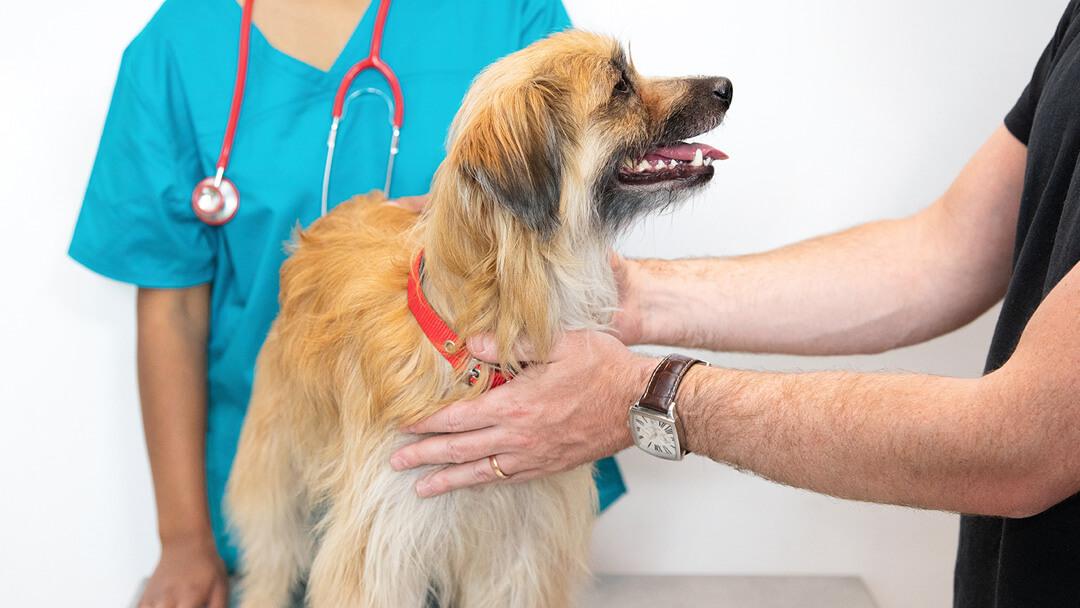
How Regular Vet Visits Enhance Your Dogs Quality of Life
Regular vet visits play a crucial role in enhancing your dog’s overall quality of life. These check-ups are not just about vaccinations; they provide a comprehensive health overview, ensuring your furry friend stays in peak condition. By visiting the vet routinely, potential health issues can be identified and addressed before they become serious problems. This proactive approach not only saves on costly treatments in the future but also contributes to your dog’s longevity and happiness.
- Early Detection of Health Issues: Vets can spot signs of diseases such as diabetes, arthritis, or dental problems early on, allowing for timely intervention.
- Tailored Nutritional Advice: Each dog has unique dietary needs, and regular visits provide the opportunity to adjust feeding habits based on age, weight, and health status.
- Behavioral Assessments: Behavioral issues can often be linked to health concerns, and your vet can offer solutions or recommend specialists if needed.
- Preventive Care: Routine checks include vaccinations, flea and tick prevention, and deworming, keeping your dog protected from common parasites and diseases.
With consistent vet care, you not only address immediate health concerns but also create a comprehensive health plan that supports your dog’s well-being throughout their life. The trust and relationship built with your veterinarian also ensures that you’re well-equipped to make informed decisions regarding your pet’s health, fostering a happier, healthier life for your beloved companion.
Expert Tips for Preparing Your Dog for a Vet Appointment
Ensuring your furry friend is ready for their vet visit can make the experience smoother and less stressful for both of you. Start by familiarizing your dog with gentle handling of their paws, ears, and mouth at home, mimicking the kind of examination they might experience. This will help reduce anxiety and make the actual visit less intimidating. Positive reinforcement is key: reward your dog with treats or praise whenever they stay calm during these practice sessions.
- Schedule Wisely: Choose a time when your dog is typically calm and not overly hungry or tired.
- Bring Comfort Items: A favorite toy or blanket can provide a sense of security in the unfamiliar environment of the vet’s office.
- Maintain a Calm Demeanor: Your dog picks up on your emotions, so staying calm and upbeat will help them feel the same.
Consider a short walk before the appointment to help burn off any excess energy, which can lead to a more relaxed dog during the visit. By preparing thoughtfully, you’re not only supporting your dog’s health but also reinforcing their trust and comfort in new situations.