
In the world of dog training, play is often overlooked as a powerful tool, yet it holds the key to a deeper bond and more effective learning experience for both dog and owner. Imagine training sessions filled with wagging tails, joyful barks, and eager participation—this is the transformative potential of incorporating play into your routine. Play not only enriches the training process but also fosters trust, enhances communication, and strengthens the relationship between you and your furry companion. In this article, we will explore how integrating playful activities can revolutionize your approach to dog training, making it an enjoyable journey for you both. Let’s delve into the ways in which play can elevate your training sessions from mundane to magnificent, ensuring a happy, well-behaved pet and a fulfilled, confident owner.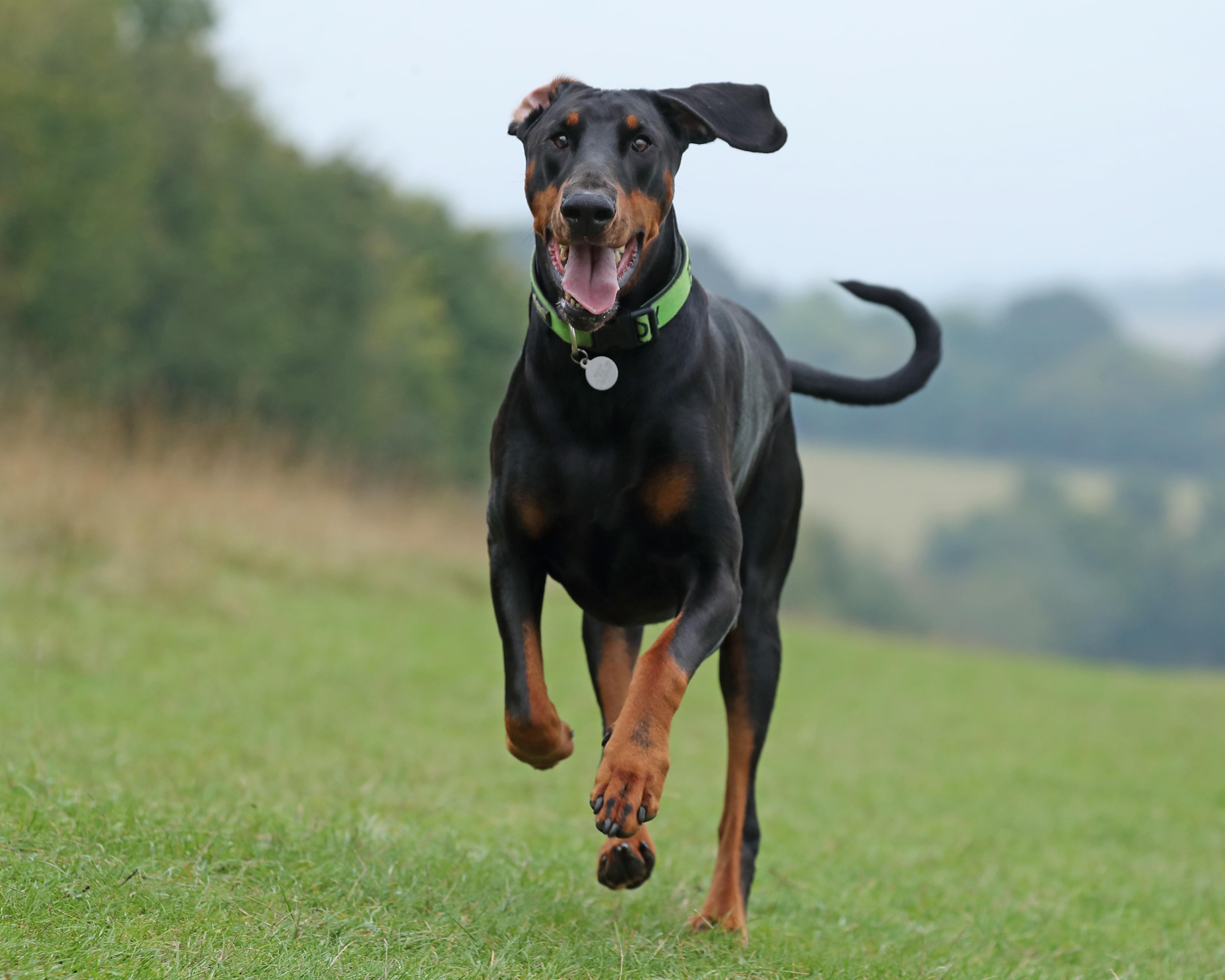
Understanding the Power of Play in Canine Learning
Incorporating play into your dog’s training regimen is not just beneficial; it’s transformative. Play taps into a dog’s natural instincts, making learning feel less like a chore and more like a joyful discovery. This approach helps to build a strong bond between you and your furry friend, fostering trust and mutual respect. Through playful interactions, dogs can learn important skills such as impulse control, problem-solving, and socialization. Play becomes a powerful motivator, encouraging your dog to engage actively and willingly in the learning process.
Consider these ways to integrate play into your training sessions:
- Interactive Games: Utilize games like fetch or tug-of-war to teach commands like “drop it” or “leave it.”
- Puzzle Toys: These can stimulate your dog’s mind, encouraging them to think critically while having fun.
- Agility Training: Set up a mini obstacle course to improve your dog’s coordination and confidence.
- Hide and Seek: This game can enhance your dog’s recall abilities and strengthen your bond.
By leveraging the power of play, you’re not only teaching your dog new skills but also ensuring they are mentally and physically stimulated, leading to a happier and healthier life.
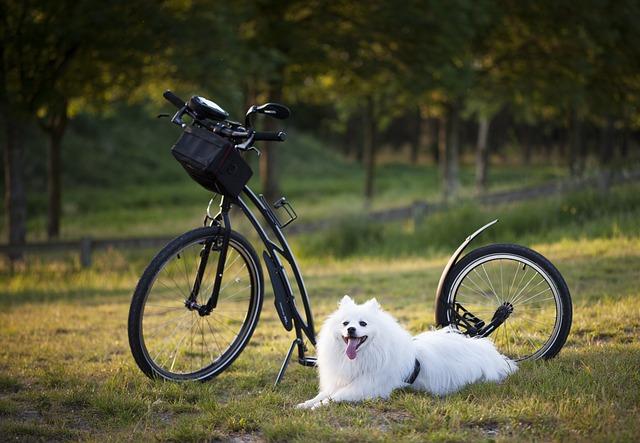
Creating a Fun and Effective Training Environment
Incorporating play into dog training not only makes the learning process enjoyable but also strengthens the bond between you and your furry friend. Play is a powerful motivator that can enhance your dog’s willingness to learn and participate. By integrating playful activities, you can transform training sessions into moments of joy and discovery. Consider these playful strategies to make training both effective and fun:
- Interactive Games: Use games like fetch or tug-of-war to teach commands such as “drop it” or “come.” These games naturally incorporate training cues while keeping your dog engaged.
- Hide and Seek: This classic game can be adapted for training by hiding treats or toys and encouraging your dog to find them. It’s a fantastic way to reinforce recall commands.
- Agility Courses: Set up a simple agility course in your backyard using household items. This not only exercises your dog physically but also mentally, as they learn to navigate through the course.
By integrating these playful elements, training becomes a shared adventure, fostering a deeper connection and promoting a lifelong love for learning in your canine companion.

Incorporating Play to Strengthen Dog-Human Bonds
Engaging in play with your dog is not just about fun; it’s a pivotal aspect of nurturing a deep, trusting relationship. When you introduce play into your training routine, you create an environment where learning feels natural and enjoyable. Dogs, much like humans, are more receptive when they’re having fun, which can make training sessions more effective and less stressful. Interactive play such as fetch or tug-of-war can improve your dog’s physical health, while also offering a platform to teach commands like “drop it” or “stay”.
- Fetch: Reinforces recall commands and encourages exercise.
- Tug-of-War: Teaches impulse control when paired with “drop it”.
- Hide and Seek: Enhances problem-solving skills and strengthens the bond through shared discovery.
Incorporating different types of play caters to your dog’s natural instincts, whether it’s chasing, retrieving, or solving puzzles. By embracing a playful approach, you not only enrich your dog’s life but also solidify a bond built on trust and mutual enjoyment.
Tailoring Play-Based Techniques for Different Dog Personalities
Understanding your dog’s unique personality is crucial when crafting play-based training techniques. Energetic dogs, for instance, thrive on activities that allow them to expend their bountiful energy. Consider incorporating games like fetch or agility courses to keep them engaged and attentive. On the other hand, shy or anxious dogs might benefit from quieter, more controlled play. Interactive toys that dispense treats can be a gentle way to build their confidence and encourage positive behavior.
For intelligent and curious canines, puzzle toys and scent games can stimulate their minds and satisfy their need for mental challenges. Dogs with a strong social inclination often enjoy group play sessions, which can reinforce social skills while training. Always observe how your dog responds to different activities and be ready to adjust your approach. Tailoring play to fit your dog’s personality not only enhances training effectiveness but also deepens the bond you share.