
Digging is a natural behavior for dogs, often rooted in instincts or boredom, but it can be frustrating when your beloved pet turns your garden into their personal excavation site. Understanding why your dog digs is the first step in guiding them towards more appropriate behavior. In this article, we’ll explore effective, compassionate strategies to help your dog stop digging, ensuring your yard stays intact and your furry friend remains happy and healthy. With patience and consistency, you’ll be able to redirect your dog’s energy and curiosity in positive ways, strengthening your bond along the way. Let’s dig into the solutions together and transform your outdoor space into a peaceful haven for both you and your pet.
Understanding the Reasons Behind Your Dogs Digging Behavior
Understanding why your furry friend loves to dig can help you address this behavior more effectively. Dogs dig for various reasons, and identifying the underlying cause is crucial for implementing the right training techniques. Here are some common reasons your dog might be digging:
- Instinctual Behavior: Digging is a natural instinct for many dogs. Breeds like Terriers and Dachshunds were historically bred to dig out burrowing animals.
- Seeking Comfort or Shelter: On hot days, dogs might dig to create a cool spot to lie in, while in colder weather, they may dig for warmth.
- Hunting Prey: Your dog might be digging because they sense the presence of small animals underground, like moles or insects.
- Releasing Energy: Dogs with high energy levels might dig as a way to burn off excess energy, especially if they don’t get enough exercise.
- Seeking Attention: Sometimes, dogs dig because they know it gets a reaction from their owners, even if it’s negative attention.
By observing your dog’s behavior and considering these factors, you can better tailor your approach to curbing their digging habits. Recognizing the root cause allows you to address their needs, whether it’s through more exercise, mental stimulation, or simply providing a designated digging area in your yard.
Creating a Dig-Free Zone with Engaging Alternatives
Transform your backyard into a canine utopia by offering your dog engaging alternatives that redirect their digging instincts into positive outlets. Start by introducing interactive toys that challenge their minds and keep them occupied. Puzzle toys filled with treats or kibble can work wonders in diverting their attention from the dirt to a rewarding game. Consider setting up a designated play area with a variety of textures and items to explore, such as a sandbox filled with toys and hidden treasures for them to “dig” out, providing a controlled environment for their natural behaviors.
- Provide plenty of exercise to tire them out and reduce the urge to dig out of boredom.
- Incorporate obedience training to establish boundaries and reinforce positive behavior.
- Rotate their toys regularly to maintain their interest and prevent them from seeking entertainment elsewhere.
- Set up shade and shelter to ensure your dog remains comfortable and doesn’t dig to find a cool spot.
By investing time and creativity into these alternatives, you’ll not only curb unwanted digging but also enhance your dog’s overall happiness and well-being.
Positive Reinforcement Techniques to Discourage Digging
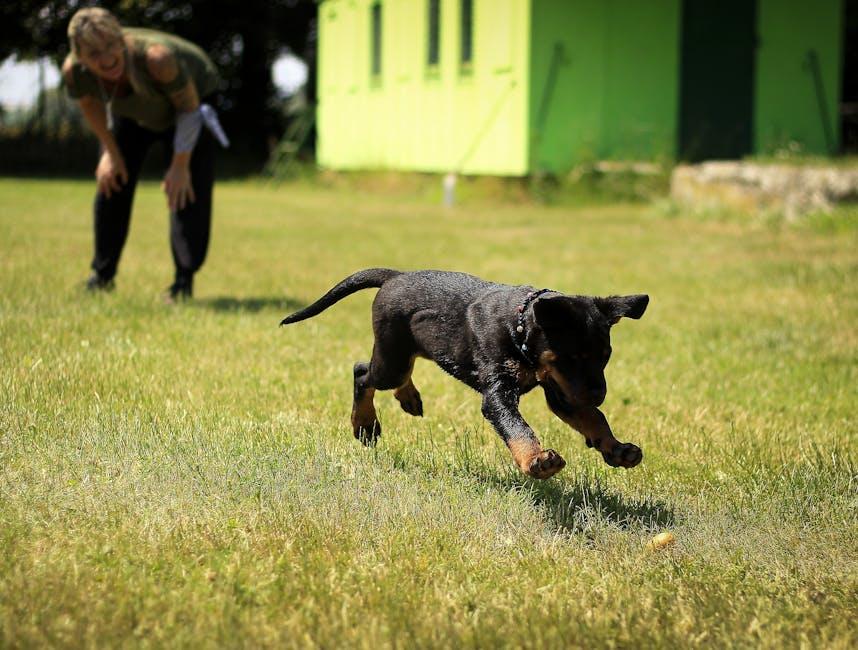
Understanding the natural instincts of your furry friend can be the key to curbing unwanted behaviors. Instead of focusing on what not to do, let’s shift our attention to what can be done. Here are some positive reinforcement techniques that can gently guide your dog away from the habit of digging:
- Provide Alternative Activities: Keep your dog engaged with toys, puzzles, and games that stimulate their mind and body. A busy dog is less likely to dig out of boredom.
- Create a Digging Zone: Designate a specific area in your yard where digging is allowed. Encourage your dog to use this space by burying toys or treats, and praise them when they dig there.
- Use Rewards: Every time your dog chooses not to dig, offer a treat or verbal praise. Consistent positive feedback will help them associate not digging with rewards.
- Enhance Training with Commands: Train your dog with commands like “leave it” or “stop” and reward them when they comply. Over time, they’ll learn to stop digging when you ask.
Remember, patience and understanding are your best tools. Each dog is unique, and with love and consistent effort, your garden can remain intact while your bond with your pet grows stronger.

Addressing Anxiety and Providing Comfort for Your Furry Friend
It’s not uncommon for dogs to dig as a response to anxiety, seeking comfort through the act itself. Understanding the underlying causes can help you address this behavior more effectively. First, ensure your dog gets ample physical exercise and mental stimulation. This can alleviate the restless energy that often fuels digging. Consider introducing engaging activities like:
- Interactive toys – Toys that dispense treats or require problem-solving can keep your dog occupied and mentally engaged.
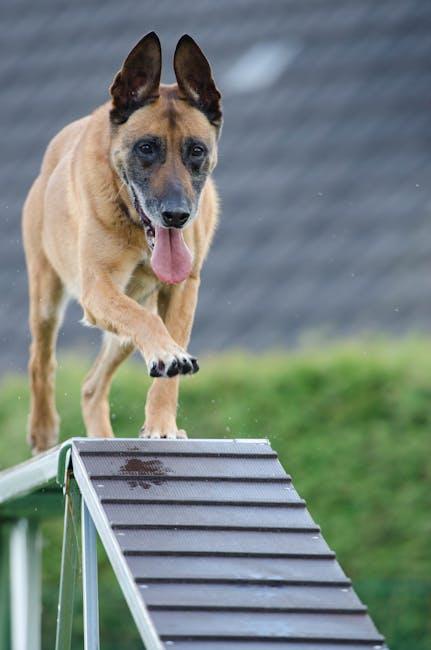
- Agility training – Set up a mini agility course in your backyard to provide a fun and challenging exercise.
- Daily walks – Regular walks not only help in burning off energy but also provide an opportunity for socialization and exploration.
Creating a safe space for your dog can also significantly reduce anxiety. This could be a cozy corner indoors with their favorite blanket and toys, or a designated digging area in your yard where they can express this natural behavior without causing havoc. By combining physical activities with a comforting environment, you can help your furry friend feel more secure and less inclined to dig out of anxiety.