
Grooming your dog’s undercoat is more than just a grooming routine; it’s an essential part of ensuring their comfort and health. As the seasons change, your furry friend’s coat can become a source of discomfort if not properly maintained. Whether your dog is a fluffy Siberian Husky or a regal Golden Retriever, understanding how to care for their undercoat can make a world of difference in their happiness and well-being. In this guide, we’ll walk you through the steps of properly grooming your dog’s undercoat, offering practical tips and warm advice to help make the process enjoyable for both you and your canine companion. Let’s embark on this journey together, turning a potentially daunting task into a bonding experience filled with love and care.
Choosing the Right Tools for Your Dogs Undercoat
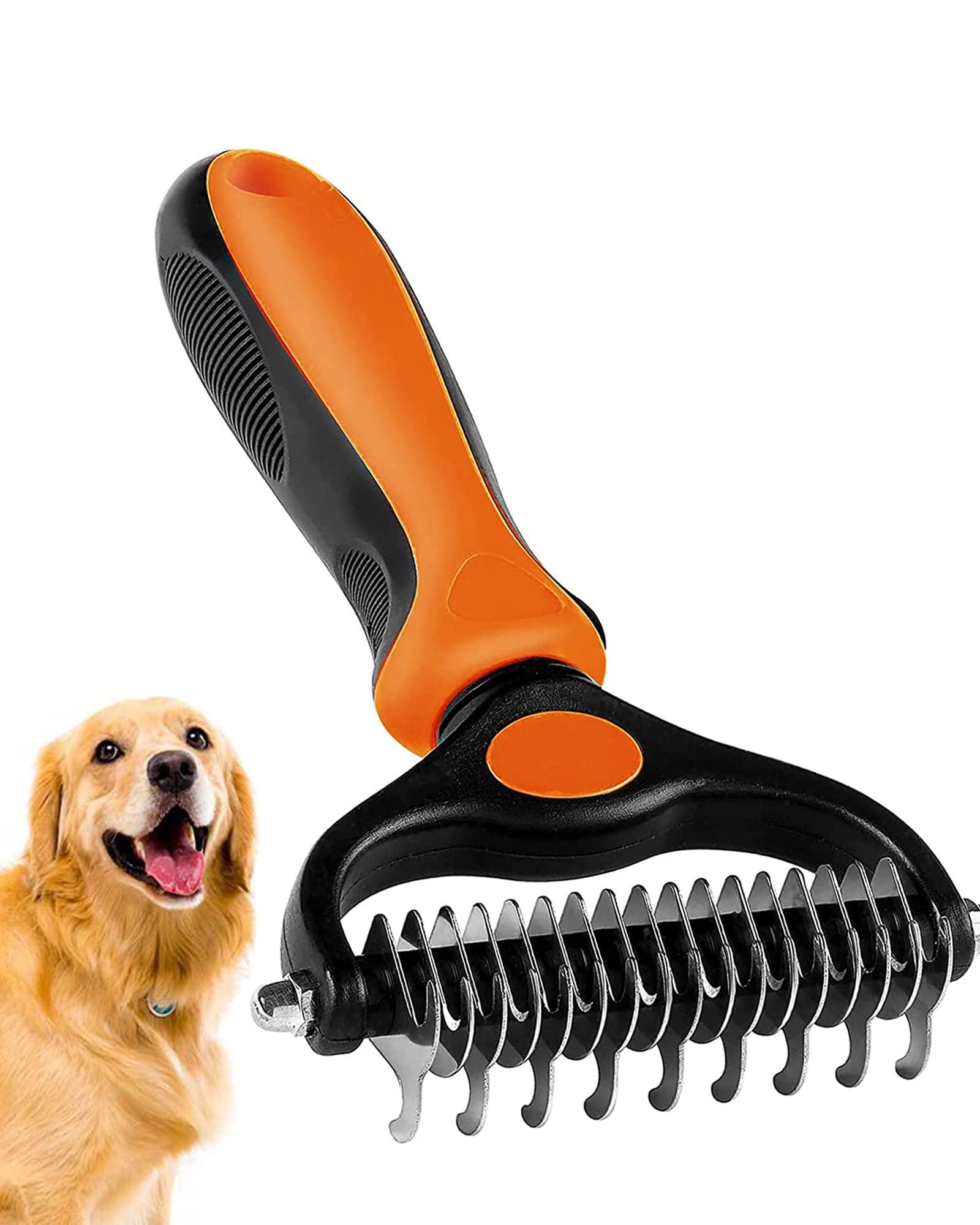
When it comes to maintaining your dog’s undercoat, selecting the right tools can make all the difference. The slicker brush is a staple in any grooming kit, with its fine, short wires that effectively remove loose hair and detangle mats. For dogs with thicker undercoats, a rake brush is indispensable, designed to penetrate deep and reach the dense fur closest to the skin. Additionally, the undercoat rake is particularly useful for breeds that shed heavily, helping to prevent excessive hair from ending up all over your home.
- Slicker Brush: Ideal for removing loose fur and small mats.
- Rake Brush: Perfect for thick, dense coats.
- Undercoat Rake: Essential for heavy shedders.
Don’t forget to invest in a dematting tool if your dog is prone to tangles. These tools feature sharp blades that cut through knots without pulling on your pet’s skin. For finishing touches, a bristle brush can help smooth out the topcoat, giving your dog a sleek and polished look. Remember, using the right tools not only makes grooming easier but also ensures your pet’s comfort and keeps their coat healthy.
Mastering the Technique for a Gentle Grooming Experience
Creating a comfortable and serene environment is key to ensuring your furry friend enjoys their grooming session. Begin by selecting a quiet space where distractions are minimal. Use a soft-bristle brush or an undercoat rake, which are gentle on your dog’s skin while effectively removing loose hair. Before starting, let your dog sniff the grooming tools to familiarize them with the process. Remember, a calm dog makes for a smoother grooming experience.
- Be gentle: Use slow, even strokes to avoid pulling on the fur.
- Check for tangles: Gently work through any knots with your fingers or a detangling spray.
- Speak softly: Reassure your dog with a warm tone to keep them relaxed.
- Take breaks: If your dog becomes restless, pause and offer a treat or playtime.
Understanding Your Dogs Coat Type and Needs
When it comes to grooming your dog’s undercoat, understanding the unique needs of different coat types is essential for maintaining their health and appearance. Each breed has its own specific requirements, but there are some general tips that can guide you in the right direction. Dogs with thick undercoats, such as Huskies or Golden Retrievers, benefit from regular brushing to prevent matting and to help regulate their body temperature. For these breeds, consider using a slicker brush or an undercoat rake to reach through the topcoat and remove loose fur effectively. On the other hand, dogs with shorter undercoats, like Beagles or Boxers, may require less frequent grooming but still benefit from a good brushing session to remove dead hair and distribute natural oils.
To ensure you’re meeting your dog’s coat needs, it’s important to establish a grooming routine that suits their specific type. Here are some helpful tips:
- Regular Brushing: Aim to brush your dog’s coat at least once a week, increasing frequency during shedding seasons.
- Use the Right Tools: Invest in quality grooming tools that are appropriate for your dog’s coat type.
- Check for Tangles: Regularly inspect your dog’s coat for tangles or mats, especially in areas prone to friction like behind the ears or under the legs.
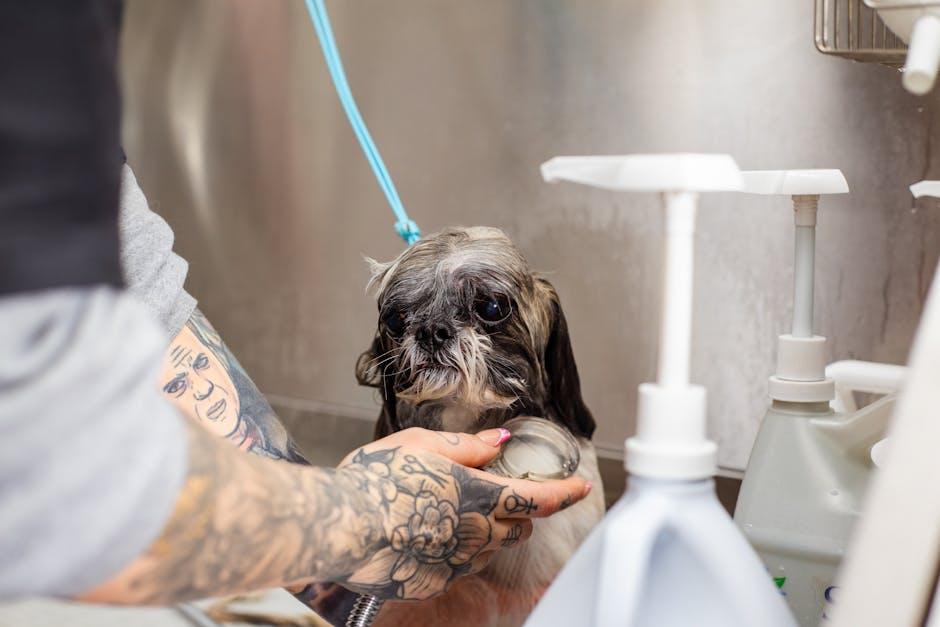
- Bathing: Bathe your dog as needed, but be cautious not to overdo it as it can strip essential oils from their skin.
- Professional Help: Consider professional grooming services for breeds with particularly dense or challenging coats.
By tailoring your approach to suit your dog’s coat type, you can ensure a healthy, shiny coat and a happy, comfortable pup.
Tips for Maintaining a Healthy and Tangle-Free Undercoat
Keeping your dog’s undercoat healthy and free from tangles is essential for their comfort and well-being. To achieve this, regular grooming should be part of your routine. Start by brushing your dog’s coat at least once or twice a week using a slicker brush or an undercoat rake. This helps remove loose fur and prevents mats from forming. When brushing, make sure to be gentle, especially in sensitive areas like the belly and legs. If you encounter any tangles, use a detangling spray and work them out carefully with your fingers or a wide-tooth comb.
- Bathing: Bathe your dog every few months with a moisturizing shampoo to keep the skin and coat in good condition.
- Diet: Ensure your dog has a balanced diet rich in omega-3 and omega-6 fatty acids to promote a healthy coat.
- Professional Grooming: Consider professional grooming services, especially during shedding season, to help manage the undercoat effectively.