
Welcoming a blind dog into your life can be a profoundly rewarding experience, filled with unique challenges and moments of joy. As a caring pet owner, understanding how to best support your sight-impaired companion is essential to fostering a safe and loving environment. In this guide, we’ll explore the most effective strategies and heartfelt tips for taking care of a blind dog, ensuring they lead a happy, fulfilling life. Whether your dog was born blind or lost their sight later in life, these insights will help you navigate their world with empathy and confidence, strengthening the bond between you and your beloved pet.
Creating a Safe and Comfortable Home Environment
When caring for a blind dog, transforming your home into a sanctuary of safety and comfort is paramount. Start by decluttering your living space. Ensure that walkways are free of obstacles, such as furniture, shoes, or cords, which might cause tripping. Install non-slip rugs on hardwood or tile floors to help your dog navigate with confidence and prevent slipping. Creating a familiar scent trail using essential oils or pet-safe candles can assist your dog in identifying different rooms and their favorite spots.
Consider using tactile cues to help guide your dog around the house. You can place different textured mats at doorways or specific areas to signal transitions or locations, like their feeding spot. Keep a consistent layout to avoid confusion, and try to avoid moving furniture around too frequently. If stairs are present, consider installing baby gates to prevent accidents. be patient and use positive reinforcement to gently guide your dog as they adjust to their environment, ensuring they feel loved and secure.

Building a Strong Communication System with Your Blind Dog
Creating a robust communication system with your visually impaired canine companion is essential for their safety and well-being. Dogs are incredibly intuitive and adaptable, often relying on other senses to navigate the world around them. To effectively communicate, consider incorporating a mix of verbal cues, touch signals, and consistent routines into your daily interactions. Here are some practical tips:
- Verbal Cues: Use simple, distinct words for commands, and maintain a calm, reassuring tone. Repetition and consistency are key to helping your dog understand and respond.
- Touch Signals: Gently guiding your dog with touch can be very effective. For instance, a light tap on the back might signal ‘stop,’ while a gentle nudge could mean ‘go.’
- Consistent Routines: Keep daily activities like feeding, walking, and playtime at regular intervals. Familiarity with these routines can provide comfort and predictability.
By developing a personalized communication strategy, you’ll help your blind dog navigate their environment with confidence, ensuring they feel loved and secure.
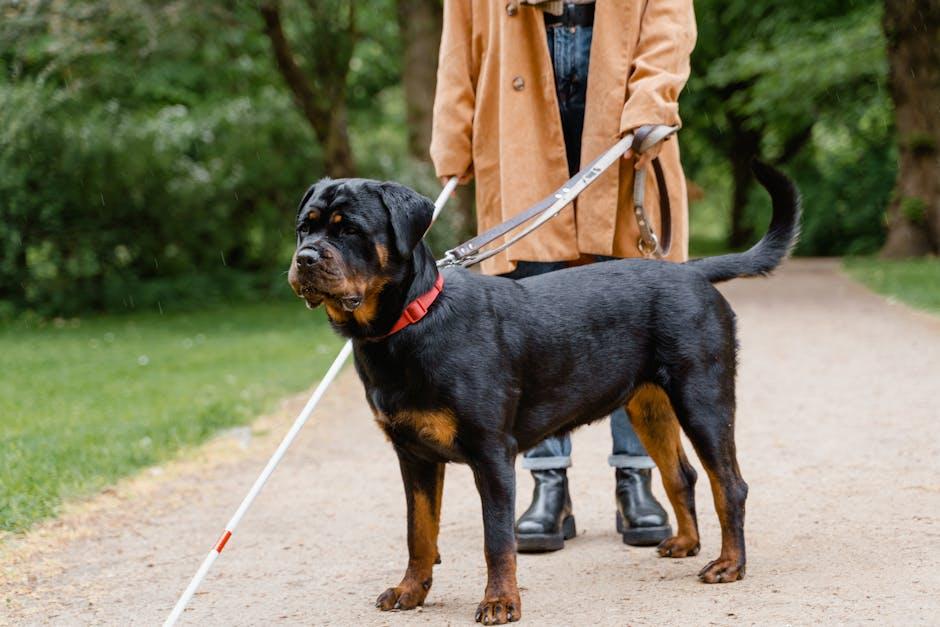
Engaging Activities to Stimulate Your Dogs Other Senses
When caring for a blind dog, it’s important to focus on activities that enhance their other senses, making their world more navigable and enjoyable. By stimulating their sense of smell, touch, and hearing, you can create a fulfilling environment for your furry friend. Here are some engaging activities to consider:
- Scent Games: Hide treats around your home or yard to encourage your dog to use their keen sense of smell. Try using different scents like vanilla or cinnamon to keep things interesting.
- Textured Toys: Offer toys with a variety of textures. From soft plushies to rubbery chews, these can provide tactile stimulation and help your dog explore their environment.
- Sound-based Toys: Incorporate toys that make noise, such as squeakers or crinkly materials, to engage your dog’s auditory senses. Playing gentle music or using audio cues can also be comforting.
- Massage and Touch: Regular gentle massages can not only be soothing but also help your dog become more familiar with touch, fostering a sense of security.
These activities not only keep your dog active and entertained but also help build their confidence, encouraging them to interact with their surroundings more comfortably.

Choosing the Right Tools and Accessories for Daily Care
Ensuring your blind dog is comfortable and confident in their environment requires thoughtful selection of tools and accessories. Begin with a well-fitted, comfortable harness that can accommodate a guiding handle. This allows you to guide your dog gently and securely, offering them reassurance during walks. Harnesses with reflective strips are especially useful for visibility in low-light conditions.
Consider these essentials:
- Textured mats: Place them near food and water bowls, or at the top and bottom of stairs, to help your dog navigate by feel.
- Scent markers: Use these to define important areas, like their bed or the backyard gate, helping them identify key locations.
- Audible toys: Choose toys that make noise to engage their other senses during playtime.
- GPS collars: These can provide peace of mind, allowing you to track your dog’s location if they wander off.
By selecting the right tools, you can greatly enhance your blind dog’s ability to adapt and thrive, ensuring their daily life is both safe and fulfilling.