Welcoming a furry friend into your home brings immense joy and companionship, but it also comes with responsibilities, one of which is grooming. While professional groomers offer a range of services to keep your dog looking their best, learning to groom your dog at home can be a rewarding and cost-effective experience. Not only does it allow you to bond with your pet, but it also ensures that you can maintain their comfort and hygiene between professional visits. In this guide, we’ll walk you through the essentials of at-home grooming, offering tips and techniques to help you confidently care for your dog’s coat, nails, and overall well-being. Whether you’re a seasoned pet owner or a first-time dog parent, these steps will help you create a nurturing routine that both you and your dog will enjoy.
Understanding Your Dog’s Coat Type and Needs
Recognizing your furry friend’s coat type is essential to meeting their grooming needs effectively. Different breeds have varying coat textures, from smooth and short to long and curly. Understanding these differences can help you tailor your grooming routine to ensure your dog stays comfortable and healthy. Here’s a guide to help you identify your dog’s coat type:
- Smooth Coats: Often seen in breeds like Beagles and Boxers, these coats are short and lie close to the body. Regular brushing with a bristle brush can help minimize shedding and keep the coat shiny.
- Double Coats: Common in breeds such as Huskies and German Shepherds, these have a dense undercoat beneath a longer topcoat. Use a slicker brush or an undercoat rake to manage shedding and prevent matting.
- Curly Coats: Found in breeds like Poodles and Bichon Frises, these coats are dense and curly. Regular trimming and brushing with a slicker brush help prevent tangles and matting.
- Wire Coats: Breeds like Terriers often have these coarse, wiry coats. A stripping comb or knife is ideal for removing dead hair and maintaining texture.
By catering to your dog’s specific coat type, you can not only enhance their appearance but also improve their overall well-being. Regular grooming sessions will strengthen your bond and ensure your pet feels pampered and loved.
Essential Tools for At-Home Dog Grooming
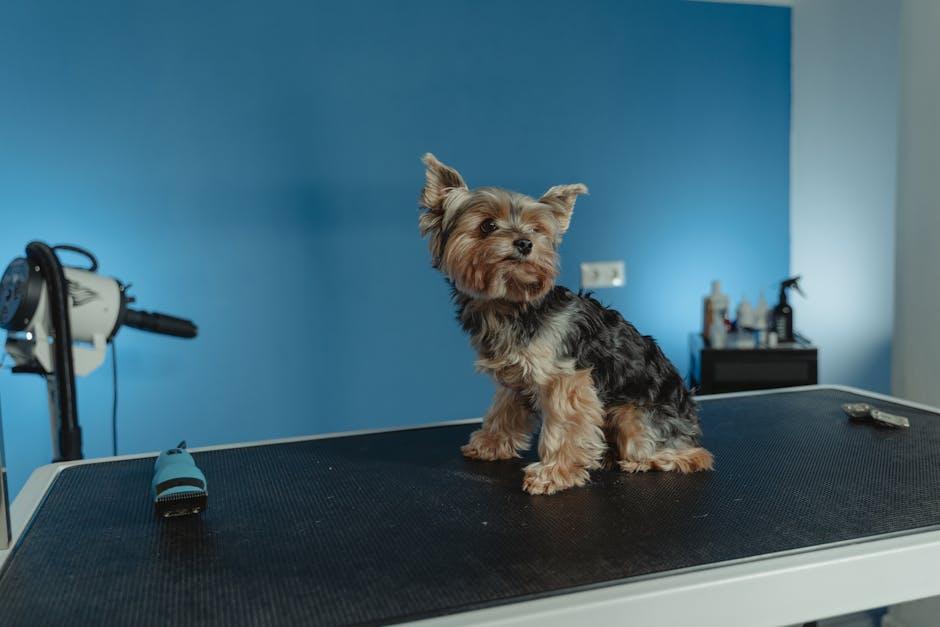
Transforming your home into a grooming salon for your furry friend doesn’t require an arsenal of professional equipment. With a few key tools, you can keep your dog looking their best right from the comfort of your living room. Here’s a list of essentials you should consider having:
- Brushes and Combs: The type of brush you need depends on your dog’s coat. Slicker brushes are great for detangling, while bristle brushes work well for short-haired breeds.
- Quality Clippers: Invest in a reliable pair of clippers that come with various blade sizes to accommodate different coat lengths.
- Nail Clippers: Choose a style that feels comfortable in your hand, whether it’s a guillotine or scissor type, and ensure it has a safety guard to prevent cutting too deep.
- Shampoo and Conditioner: Use products specifically formulated for dogs to maintain their skin’s pH balance and avoid irritation.
- Ear Cleaner: A gentle ear cleaning solution helps prevent infections and keeps your dog’s ears healthy.
By gathering these tools, you’ll be well-equipped to maintain your pet’s grooming needs without the need for frequent trips to the groomer. Remember, grooming is not just about aesthetics; it’s an opportunity to bond with your dog and monitor their health.
Step-by-Step Guide to Bathing and Brushing
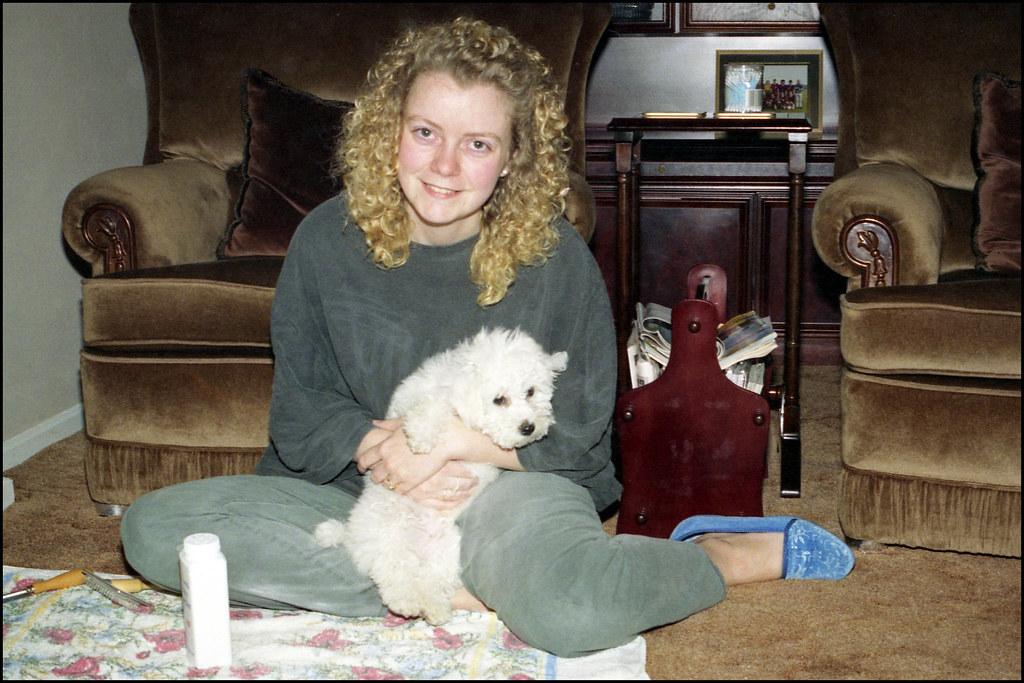
Grooming your furry friend at home can be a rewarding experience that strengthens your bond. Begin by preparing a comfortable space with all necessary supplies within reach. Gather shampoo and conditioner formulated for dogs, towels, a non-slip mat, and a brush suitable for your dog’s coat type. Start by gently brushing your dog to remove any loose hair and untangle knots. This not only makes the bathing process smoother but also ensures your pet’s coat is free of debris.
- Wet the Coat: Use lukewarm water and ensure your dog is thoroughly soaked, avoiding the eyes and ears.
- Apply Shampoo: Lather a small amount, massaging it into the coat, focusing on areas that tend to get dirtier, like the paws and belly.
- Rinse and Condition: Rinse thoroughly to avoid any residue, then apply conditioner if needed, leaving it on for the time recommended on the product.
- Dry Off: Towel dry your dog, then allow them to air dry in a warm, draft-free area or use a pet-safe blow dryer on a low setting.
- Final Brush: Once dry, give a final brush to remove any remaining tangles and leave the coat shiny and smooth.
Remember, patience is key. Speak softly and reward your dog with treats and praise throughout the process. With each session, your dog will become more accustomed to being groomed, making it a stress-free experience for both of you.
Tips for Maintaining Your Dog’s Paws and Nails
Keeping your dog’s paws and nails in tip-top shape is essential for their comfort and health. Start by inspecting their paws regularly for any signs of injury or debris. It’s important to clean their paws with a damp cloth after walks, especially if they’ve been exploring rough or muddy terrain. Moisturizing their paw pads with a dog-safe balm can help prevent cracking and dryness, especially in extreme weather conditions.
- Trimming Nails: Keep your dog’s nails trimmed to a comfortable length to avoid discomfort or injury. If you hear clicking sounds on the floor, it’s time for a trim. Use a sharp, high-quality nail clipper designed for dogs, and cut in small increments to avoid hitting the quick.
- Using a File: If your dog is anxious about nail clipping, consider using a nail file or grinder. This can be less intimidating and allows for more control over the length.
- Positive Reinforcement: Always reward your furry friend with treats and praise during and after grooming sessions to create a positive association with the process.