
Trimming your dog’s nails can be a daunting task for many pet owners, often accompanied by the fear of causing discomfort or, worse, bleeding. Yet, maintaining your dog’s nail health is essential for their overall well-being and comfort. In this guide, we’ll walk you through the safest and most effective ways to trim your dog’s nails, ensuring a stress-free experience for both you and your furry friend. With the right tools, techniques, and a little patience, you’ll soon be able to confidently care for your dog’s paws, strengthening your bond and keeping those tails wagging. Let’s embark on this journey to make nail trimming a calm and positive routine in your pet care arsenal.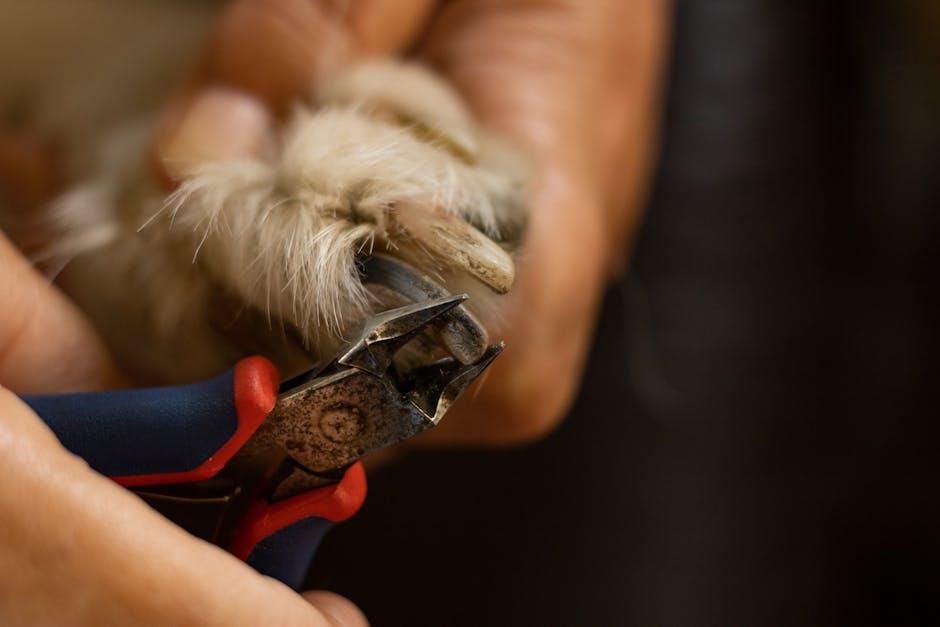
Choosing the Right Tools for a Stress-Free Nail Trim
Ensuring a smooth and painless nail trim for your furry friend starts with having the right tools at your disposal. The nail clipper you choose should be appropriate for your dog’s size and nail thickness. There are several types to consider:
- Guillotine clippers: Best for small to medium-sized dogs, offering a clean cut with minimal effort.
- Scissor-style clippers: Ideal for larger breeds, providing the leverage needed for thicker nails.
- Grinders: Excellent for those who prefer to gradually file down the nail, reducing the risk of cutting too deep.
Beyond the clippers, having a styptic powder or pen on hand is crucial for stopping any accidental bleeding quickly. These powders are designed to clot blood and ease discomfort. It’s also wise to keep some treats nearby to reward your pup for their patience and cooperation, turning what might be a stressful experience into a bonding opportunity.
Understanding Your Dogs Nail Anatomy to Prevent Bleeding
To ensure a painless and stress-free nail trimming experience for your dog, it’s essential to familiarize yourself with the structure of their nails. Dog nails consist of a hard outer shell and a softer inner part known as the quick, which contains nerves and blood vessels. Cutting into the quick can cause pain and bleeding, so identifying its location is crucial. For dogs with lighter-colored nails, the quick is often visible as a pinkish area, while it can be more challenging to spot in dogs with darker nails.
- Shell: The hard, protective outer layer.
- Quick: The sensitive core containing nerves and blood vessels.
- Nail Tip: The part of the nail that can be safely trimmed.
By understanding this anatomy, you can confidently trim only the nail tip, avoiding the quick and preventing discomfort for your furry friend. For added safety, it’s recommended to trim nails in a well-lit area and consider using a flashlight to illuminate the quick in darker nails. This careful approach will help maintain your dog’s nail health and prevent accidental bleeding.
Step-by-Step Guide to Safe and Comfortable Nail Trimming
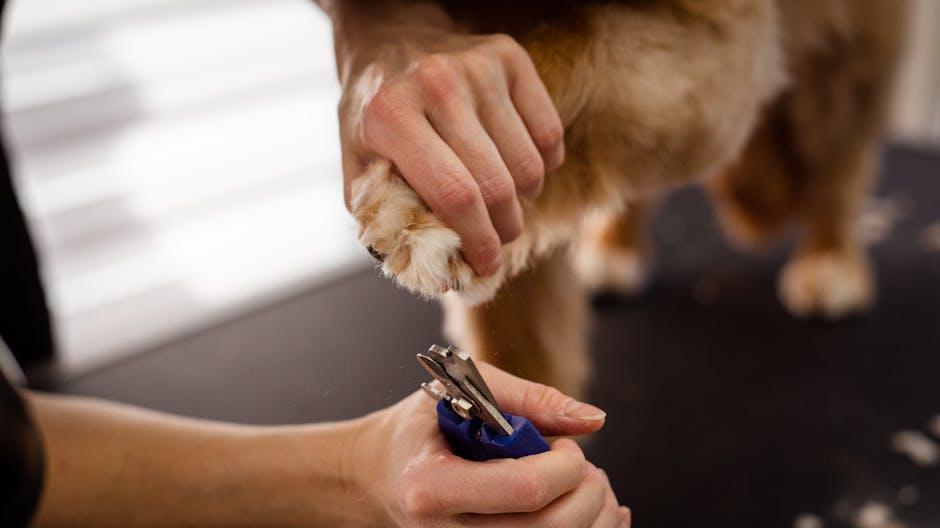
Ensuring your furry friend’s nail trimming experience is both safe and comfortable involves a few thoughtful steps. Begin by gathering all necessary tools: a pair of sharp, high-quality nail clippers, a nail file, and some styptic powder in case of minor accidents. Patience and calmness are your best allies, so choose a time when your dog is relaxed, perhaps after a walk or a meal.
Start by gently holding your dog’s paw and inspecting each nail. Look for the quick, which is the sensitive part containing blood vessels. If your dog has light-colored nails, the quick is usually visible as a pink area. For darker nails, trim small amounts at a time to avoid cutting too deeply. Trim slowly and file the edges to smooth out any roughness. Offer treats and praise to create a positive association, turning nail trimming into a bonding moment. Remember, the key is consistency and care, ensuring both you and your pet feel at ease throughout the process.
Tips for Keeping Your Dog Calm and Cooperative During Nail Care
Ensuring your furry friend stays calm and cooperative during nail care can transform what might be a stressful task into a bonding experience. Here are some effective strategies to help ease the process:
- Start Slowly: Introduce your dog to the nail clippers or grinder gradually. Let them sniff and explore the tool without using it at first.
- Positive Reinforcement: Reward your dog with treats and praise for staying calm. This helps them associate nail trimming with positive experiences.
- Calming Environment: Choose a quiet, comfortable spot where your dog feels safe. Soft background music can help create a soothing atmosphere.
- Regular Practice: Trim nails regularly to prevent them from becoming too long, making each session shorter and less stressful.
- Stay Calm: Dogs can pick up on your emotions. Maintain a relaxed demeanor to help keep your dog at ease.
Remember, patience and consistency are key. With time, your dog will likely become more comfortable with the routine, making nail care a smoother experience for both of you.