
Introducing a new dog to the family is a joyous occasion, but ensuring they get along well with other animals can be a bit daunting. Whether you’re welcoming a puppy into a multi-pet household or helping an older dog adapt to new furry companions, socialization is key to fostering harmonious relationships. In this guide, we’ll explore effective and gentle strategies to help your dog interact positively with other animals, creating a peaceful and happy environment for everyone. With patience, understanding, and a touch of warmth, you’ll soon witness your canine companion thriving in their newfound social circle. Let’s embark on this rewarding journey together, where tails wag and friendships blossom.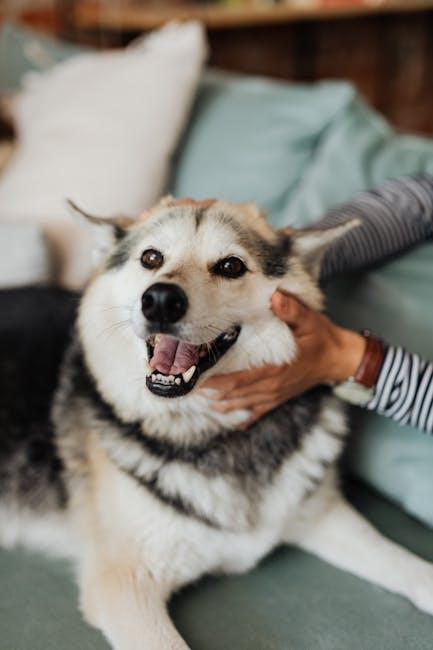
Understanding Canine Social Behavior
To effectively socialize your dog with other animals, it’s crucial to first comprehend the fundamentals of their social behavior. Dogs, much like humans, have their own set of social rules and communication methods. Understanding these can greatly enhance your ability to guide them through interactions with other animals. Dogs communicate through a mix of vocalizations, body language, and even subtle cues that may go unnoticed to the untrained eye. Being attuned to these signals will help you anticipate and manage your dog’s reactions in various social settings.
- Body Language: Pay attention to the position of their ears, tail, and overall stance. A relaxed dog will have a wagging tail and a loose body, whereas a tense dog may have a stiff posture and a tucked tail.
- Vocal Signals: Growls, barks, and whines all carry different meanings. A low growl might indicate discomfort or a warning, while a high-pitched bark could be an invitation to play.
- Social Hierarchies: Dogs often establish a pecking order when interacting with others. Understanding your dog’s position in this hierarchy can help prevent conflicts.
By recognizing these behaviors, you can better facilitate positive interactions and create a safe and enjoyable environment for your dog to socialize with other animals.
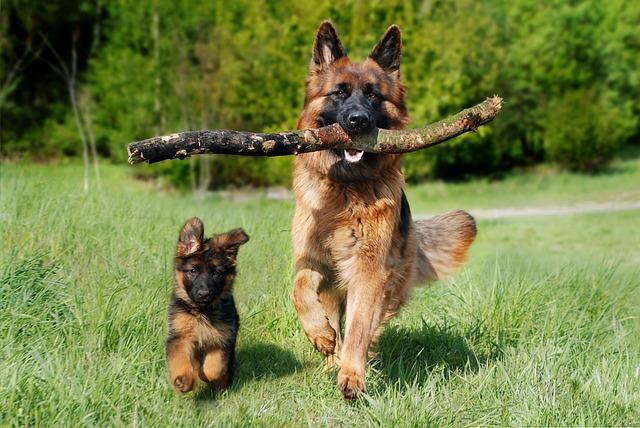
Creating Positive First Impressions
When introducing your dog to other animals, it’s crucial to ensure that the initial meeting is a positive experience for everyone involved. This can set the tone for future interactions and help build a harmonious relationship. Start by selecting a neutral territory, such as a park or a friend’s backyard, where neither animal feels territorial pressure. Make sure both animals are on leashes, but allow enough slack for them to move naturally. Observe their body language closely. A wagging tail and relaxed posture are good signs, whereas growling or stiffening could indicate stress or aggression.
- Use treats and praise: Reward your dog with their favorite treats and lots of verbal praise for calm behavior. This reinforces positive associations with the presence of other animals.
- Short and sweet: Keep the first interactions brief, gradually increasing the duration as they become more comfortable with each other.
- Stay calm: Dogs are sensitive to human emotions, so your calm demeanor can help them feel secure and at ease.
Guided Interactions and Playtime Strategies
When introducing your dog to other animals, it’s essential to create a positive and controlled environment. Begin by allowing them to observe each other from a distance. This initial phase should be calm and free from any pressure, allowing your dog to get accustomed to the presence of the other animal. Use praise and treats generously to reward calm behavior, reinforcing that these interactions are a good thing.
- Start with Controlled Meetings: Use a leash or a barrier like a baby gate to keep the initial encounters safe and structured.
- Observe Body Language: Keep an eye on both animals for signs of stress or aggression, such as stiff posture or growling, and separate them if needed.
- Use Playtime Wisely: Gradually introduce shared activities that encourage positive interactions, like fetching or walking side by side.
Remember, patience is key. Not every dog will become best friends with every animal, but with time and the right strategies, they can learn to coexist peacefully. Keep sessions short and sweet, and always end on a positive note.

Maintaining Harmony and Building Confidence
Creating a peaceful environment for your dog to interact with other animals requires patience and consistency. Begin by selecting a neutral territory where neither animal feels territorial or threatened. This could be a local park or a friend’s backyard. Ensure both animals are on leashes initially to maintain control. As they grow more comfortable, you can gradually introduce them to off-leash interactions.
- Observe Body Language: Keep a close eye on both animals’ body language. Look for signs of stress or aggression such as stiff postures, growling, or baring teeth. If any of these signs appear, calmly separate them and try again later.
- Positive Reinforcement: Reward your dog with treats and praise when they exhibit calm and friendly behavior. This reinforces the idea that being sociable is a positive experience.
- Short Sessions: Keep initial interactions brief to prevent overwhelming either animal. Gradually increase the duration as they become more comfortable with each other.
By following these steps, you’ll foster an atmosphere of trust and confidence, encouraging your dog to form positive relationships with other animals. Remember, each dog is unique, so adjust your approach to suit their individual needs and pace.