
Walking your dog can be one of the most rewarding parts of pet ownership, offering a wonderful opportunity to bond with your furry friend while getting some fresh air and exercise. However, if your dog tends to pull on the leash or zigzag in front of you, those peaceful strolls can quickly turn into a frustrating tug-of-war. Training your dog to walk calmly beside you is not only essential for enjoyable walks but also important for their safety and your peace of mind. In this article, we’ll guide you through effective, step-by-step techniques to help your dog become a well-mannered walking companion. With patience, consistency, and a little bit of love, you’ll soon be enjoying harmonious walks with your canine friend by your side.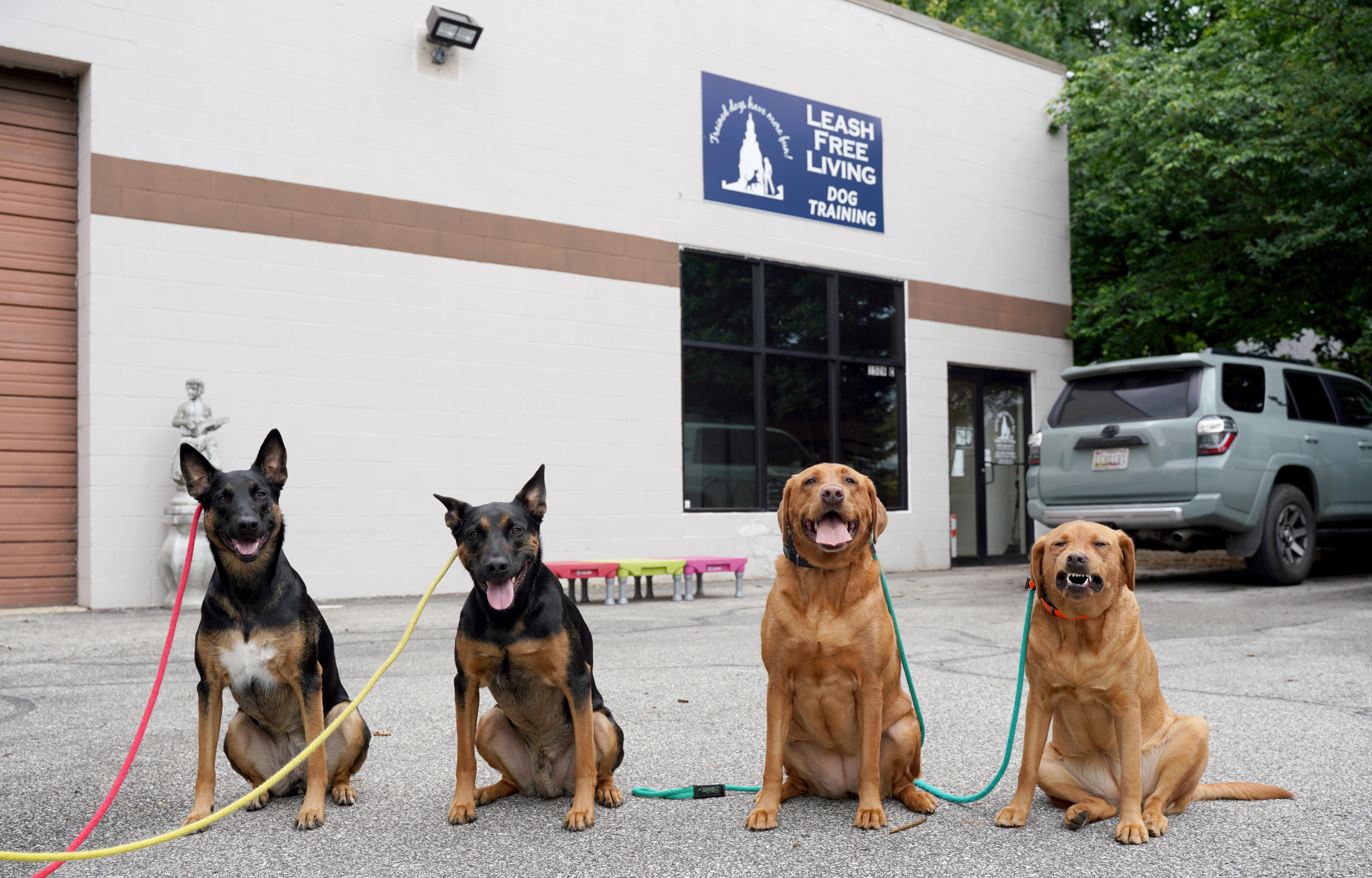
Understanding Your Dogs Behavior and Needs
Training your dog to walk beside you is an essential skill that enhances your bond and ensures enjoyable walks. Dogs naturally have their own pace and curiosity, so understanding their behavior is crucial. Begin by observing your dog’s energy levels and personality traits. Is your dog easily distracted or highly energetic? Tailor your approach to suit their individual needs. Use positive reinforcement to encourage the desired behavior, such as treats or verbal praise, when your dog stays by your side. Consistency is key; practice regularly and maintain a calm demeanor.
- Start in a distraction-free environment: Choose a quiet area to begin training where your dog can focus solely on you.
- Use a short leash: This helps you maintain control and gives your dog a clear understanding of where they should be.
- Reward frequently: Reinforce positive behavior with treats or a favorite toy to make the experience enjoyable.
- Be patient and persistent: Every dog learns at their own pace. Celebrate small victories and gradually increase the difficulty by introducing more distractions.
By aligning training with your dog’s natural behavior and needs, you create a harmonious walking experience that strengthens your connection and mutual understanding.
Choosing the Right Equipment for Comfortable Walks
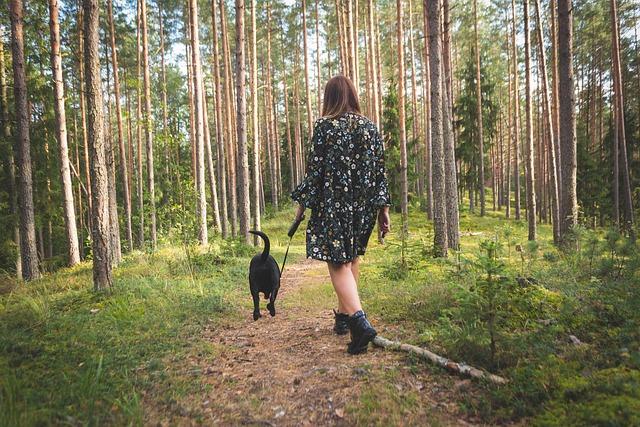
Embarking on a walk with your canine companion can be a delightful experience, provided you have the right gear to enhance both comfort and control. Selecting the appropriate equipment ensures that your walks are safe and enjoyable for both you and your furry friend. Here are some essentials to consider:
- Leash: Opt for a sturdy leash that offers a balance between flexibility and control. A retractable leash can provide freedom, but for training purposes, a standard 4 to 6-foot leash is ideal.
- Harness: A well-fitted harness can prevent pulling and distribute pressure evenly across your dog’s body. Look for one with adjustable straps and padding for maximum comfort.
- Collar: Choose a collar that fits snugly yet comfortably. A flat collar is suitable for identification tags, while a martingale collar offers more control without choking.
- Footwear: While it may seem trivial, appropriate footwear for yourself can make a significant difference. Comfortable, supportive shoes will help you maintain a steady pace and reduce fatigue.
By investing in the right equipment, you’re setting the stage for successful training sessions and leisurely strolls, making every walk a pleasant adventure for you and your dog.

Step-by-Step Guide to Teaching Heel Command
Teaching your dog to heel is a rewarding experience that strengthens your bond and makes walks more enjoyable. Begin by selecting a side for your dog to walk on—typically, the left side is preferred. Start indoors or in a distraction-free environment. Hold a treat in your hand close to your dog’s nose and take a step forward. As your dog follows, say “heel” and reward them with the treat when they stay by your side. Practice short sessions regularly to build consistency.
Gradually increase the difficulty by adding distractions or practicing outdoors. Use a leash to guide your dog and prevent pulling. Stay patient and positive, rewarding your dog with treats and praise when they follow the command correctly. If they get distracted, gently redirect them back to your side with the cue “heel”. Remember, patience and practice are key to mastering this command. Keep sessions fun and end on a positive note, ensuring your dog looks forward to their training time with you.
Positive Reinforcement Techniques for Encouraging Good Habits
Implementing positive reinforcement is a gentle and effective way to teach your dog to walk calmly by your side. Begin by equipping yourself with some high-value treats that your dog absolutely loves. These could be small pieces of chicken, cheese, or a favorite commercial dog treat. As you start your walk, keep these treats handy in a pouch or pocket.
- Reward Often: Each time your dog walks beside you, immediately offer a treat. This helps them associate the position with a positive outcome.
- Use Praise: Alongside treats, use verbal praise like “Good job!” or “Well done!” in an enthusiastic tone to reinforce the behavior.
- Be Consistent: Consistency is key. Reward them every time they walk beside you, gradually reducing treats as they improve.
- Incorporate Commands: Use a simple command such as “heel” when they are in the right position. This helps them understand what is expected.
Over time, your dog will learn that walking beside you is a rewarding experience, creating a more enjoyable outing for both of you. Remember, patience and persistence are vital, so celebrate small victories and keep the training sessions short and fun!