
Welcoming a furry friend into your home brings endless joy and companionship, but it also comes with the responsibility of ensuring their well-being. One of the most crucial aspects of caring for your dog is providing them with a safe and healthy diet. While it’s tempting to share your favorite snacks with those pleading puppy eyes, not all human foods are suitable for canine consumption. In fact, some common foods can be downright toxic to dogs, posing serious health risks. This article will guide you through a list of foods that should be kept out of reach of your four-legged family members. By understanding these dietary dangers, you can help ensure your dog’s safety and maintain their vibrant health for years to come. Let’s embark on this journey to create a safer and happier environment for your beloved pet.
Understanding Common Toxic Foods for Your Furry Friend
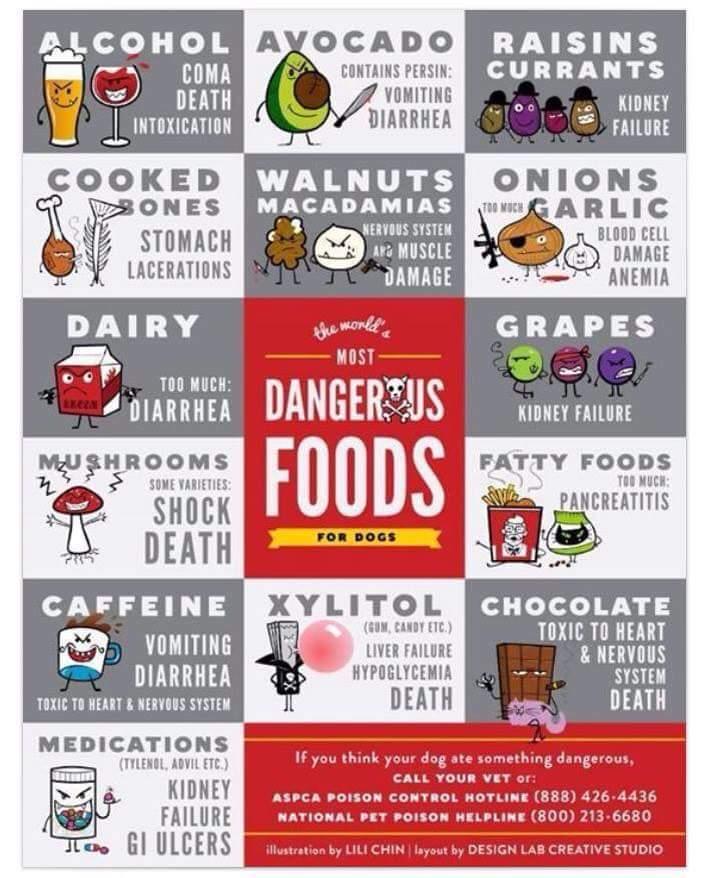
As loving pet owners, it’s crucial to be aware of the everyday foods that could pose a danger to our canine companions. While some human treats may seem harmless, they can be toxic to dogs, leading to serious health issues. Below is a list of common foods you should keep out of reach from your furry friend:
- Chocolate: This sweet delight contains theobromine, which is extremely harmful to dogs. Even small amounts can cause vomiting, diarrhea, and in severe cases, heart problems or seizures.
- Grapes and Raisins: Even a small amount can lead to kidney failure in dogs. It’s best to avoid these entirely, including foods that may contain them as ingredients.
- Onions and Garlic: Both can cause damage to a dog’s red blood cells, leading to anemia. They are toxic in all forms, whether raw, cooked, or powdered.
- Avocados: Containing persin, avocados can lead to vomiting and diarrhea in dogs. It’s best to keep your guacamole to yourself!
- Xylitol: Found in sugar-free gum and many low-calorie foods, this artificial sweetener can cause a rapid drop in blood sugar, leading to seizures, liver failure, or even death.
By staying informed and keeping these foods out of your dog’s diet, you can help ensure their health and happiness for years to come. Remember, when in doubt, it’s always best to consult with your veterinarian.

Spotting the Hidden Dangers in Everyday Ingredients
Our beloved furry friends often rely on us to make the right choices for them, especially when it comes to their diet. While some ingredients seem harmless, they can be surprisingly harmful to dogs. Here are a few common foods to watch out for:
- Chocolate: This popular treat for humans contains theobromine, which is toxic to dogs. Even small amounts can cause vomiting, diarrhea, and in severe cases, seizures or death.
- Grapes and Raisins: Despite their small size, these fruits can cause sudden kidney failure in dogs. Symptoms like vomiting and lethargy can appear within hours of ingestion.
- Onions and Garlic: Part of the allium family, these ingredients can damage a dog’s red blood cells, leading to anemia. Be cautious of foods seasoned with onion or garlic powder as well.
- Avocado: While healthy for humans, avocados contain persin, which can cause vomiting and diarrhea in dogs.
- Xylitol: This artificial sweetener is found in many sugar-free products. It can lead to a dangerous drop in blood sugar and potential liver damage in dogs.
Always ensure that your canine companion stays safe by keeping these ingredients out of reach and opting for dog-friendly alternatives.

Safe Alternatives to Keep Your Dog Healthy and Happy
Ensuring your furry friend stays healthy and content is a top priority for any pet owner. Fortunately, there are numerous safe and nutritious alternatives to common foods that can be harmful to dogs. Incorporating these options into your pet’s diet can help them thrive while avoiding potential health risks.
- Sweet Potatoes: A rich source of dietary fiber, vitamins, and minerals, sweet potatoes can be a delightful treat for your pup. Just make sure they’re cooked and unseasoned.
- Blueberries: These tiny fruits are packed with antioxidants and are safe for dogs in moderation. They make for a perfect, low-calorie snack.
- Carrots: Crunchy and sweet, carrots are great for your dog’s dental health and provide a good dose of beta-carotene and fiber.
- Plain Yogurt: As long as your dog isn’t lactose intolerant, plain yogurt can be a tasty and probiotic-rich addition to their diet.
- Lean Meats: Chicken, turkey, or beef, when cooked without seasoning, offer a high-protein option that is safe and satisfying for your canine companion.
These alternatives not only help maintain your dog’s health but also keep them excited about mealtime. Always remember to introduce new foods gradually and consult with your veterinarian to ensure the best diet for your dog’s specific needs.
Tips for Preventing Accidental Ingestion and Emergencies
Ensuring the safety of your furry friend requires a keen eye and a proactive approach. Here are some practical steps you can take to minimize the risk of your dog ingesting harmful foods:
- Store Safely: Keep all food items out of your dog’s reach. Use pet-proof containers and store them in high cabinets.
- Educate Family and Guests: Make sure everyone in your household, including visitors, knows which foods are dangerous for dogs.
- Mind the Table Scraps: Avoid feeding your dog from the table to prevent them from associating human food with treats.
- Secure Trash Bins: Use trash cans with secure lids or place them in a pantry to prevent your dog from scavenging.
In the unfortunate event of an emergency, having a plan can make all the difference. Keep your veterinarian’s contact information readily available, and familiarize yourself with the location of the nearest emergency animal clinic. Acting swiftly can save your pet’s life.