
Welcoming a dog into your life is a journey filled with joy, companionship, and unconditional love. As a responsible pet owner, ensuring the health and well-being of your furry friend is a top priority. However, dogs, like humans, can face a variety of health issues throughout their lives. Understanding how to recognize the signs of common ailments and knowing the appropriate steps to treat them can make all the difference in maintaining your dog’s happiness and longevity. In this guide, we’ll walk you through the most prevalent health concerns dogs face, how to identify them, and the best practices for treatment and prevention. With a warm heart and informed approach, you’ll be well-equipped to provide your canine companion with the care they deserve.
Identifying Early Signs of Illness in Your Furry Friend
Recognizing when your dog isn’t feeling their best can be a challenge, especially since our furry companions can’t verbally express their discomfort. It’s crucial to stay vigilant and observe any subtle changes in their behavior or appearance. Here are some early signs that might indicate your dog is under the weather:
- Lethargy: If your typically active pup suddenly shows a lack of energy or interest in playtime, it could be a red flag.
- Appetite Changes: A sudden increase or decrease in appetite can signal underlying health issues.
- Unusual Thirst: Excessive drinking could point to conditions such as diabetes or kidney disease.
- Weight Fluctuations: Noticeable weight loss or gain without a change in diet may require veterinary attention.
- Behavioral Shifts: Aggression, anxiety, or depression-like symptoms can sometimes be linked to physical ailments.
Physical symptoms such as coughing, sneezing, or difficulty breathing should not be ignored. Also, keep an eye out for changes in their coat condition or any lumps and bumps on their body. Early detection and treatment can make a significant difference, so if you notice any of these signs, it’s best to consult your veterinarian for a thorough check-up.

Practical Tips for Managing Digestive Upsets
Dealing with digestive upsets in dogs can be a daunting task, but with a few practical tips, you can help your furry friend feel better in no time. Start by monitoring their diet closely. Avoid sudden changes in their food, as this can cause stress on their digestive system. Instead, introduce new foods gradually over several days. You can also try adding a bit of plain, cooked pumpkin to their meals, which is known to help soothe upset stomachs.
- Hydration: Ensure your dog has access to fresh water at all times. Dehydration can worsen digestive issues.
- Probiotics: Consider incorporating dog-friendly probiotics to promote a healthy gut flora.
- Small, Frequent Meals: Feeding smaller portions more frequently can ease the digestive process.
- Rest: Allow your dog plenty of rest to recover. Physical activity should be minimized until they feel better.
Pay close attention to any additional symptoms such as vomiting, diarrhea, or lethargy, as these may require veterinary attention. Remember, your gentle care and attention are vital to your dog’s recovery and overall well-being.
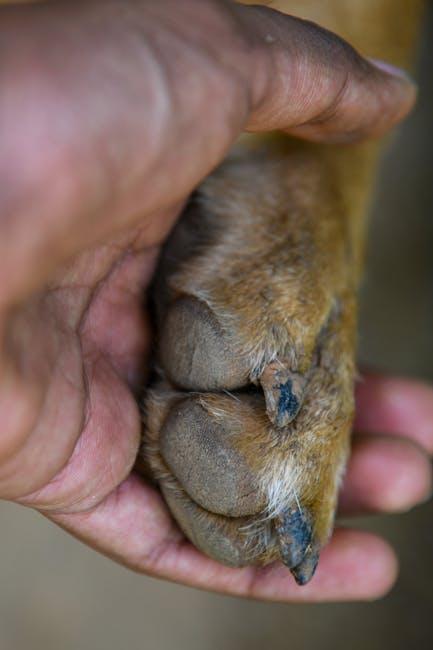
Caring for Your Dogs Skin and Coat Health
Keeping your furry friend’s skin and coat in top condition is essential for their overall well-being. A dog’s skin is its largest organ and requires just as much attention as its diet or exercise. To maintain a healthy coat, consider the following tips:
- Regular Brushing: Brushing your dog regularly helps to remove dirt, dead hair, and dander. It also stimulates the skin, promoting natural oil production that keeps their coat shiny and healthy.
- Balanced Diet: Nutrition plays a crucial role in maintaining skin and coat health. Ensure your dog’s diet includes omega-3 and omega-6 fatty acids, which can help reduce inflammation and improve coat texture.
- Hydration: Adequate water intake is vital for skin hydration. Always provide fresh, clean water to prevent dryness and flakiness.
- Bathing Routine: Overbathing can strip natural oils, while too infrequent baths can lead to dirt buildup. Find a balance that suits your dog’s breed and lifestyle, using a gentle, dog-specific shampoo.
- Watch for Allergies: If you notice persistent itching or redness, your dog might be experiencing allergies. Consult with a vet to identify triggers and consider hypoallergenic products or a change in diet.
By incorporating these practices into your dog’s care routine, you’ll not only enhance their skin and coat health but also strengthen the bond you share through regular grooming and attention.

Steps to Ensure Joint and Mobility Wellness
Maintaining your dog’s joint and mobility wellness is crucial for their overall health and happiness. To support your furry friend, focus on incorporating a balanced diet rich in Omega-3 fatty acids and antioxidants. These nutrients help reduce inflammation and support joint health. Consider including supplements like glucosamine and chondroitin, which are known to enhance joint function and relieve discomfort.
- Exercise Regularly: Engage your dog in low-impact activities such as swimming or leisurely walks to maintain muscle strength without putting too much strain on their joints.
- Weight Management: Keep your dog at a healthy weight to reduce stress on their joints. Consult your vet to determine the ideal weight and adjust their diet accordingly.
- Provide a Comfortable Resting Area: Ensure your dog has a soft, supportive bed that minimizes pressure on their joints while resting.
- Regular Vet Check-Ups: Schedule routine visits to your vet to monitor your dog’s joint health and catch any issues early on.